



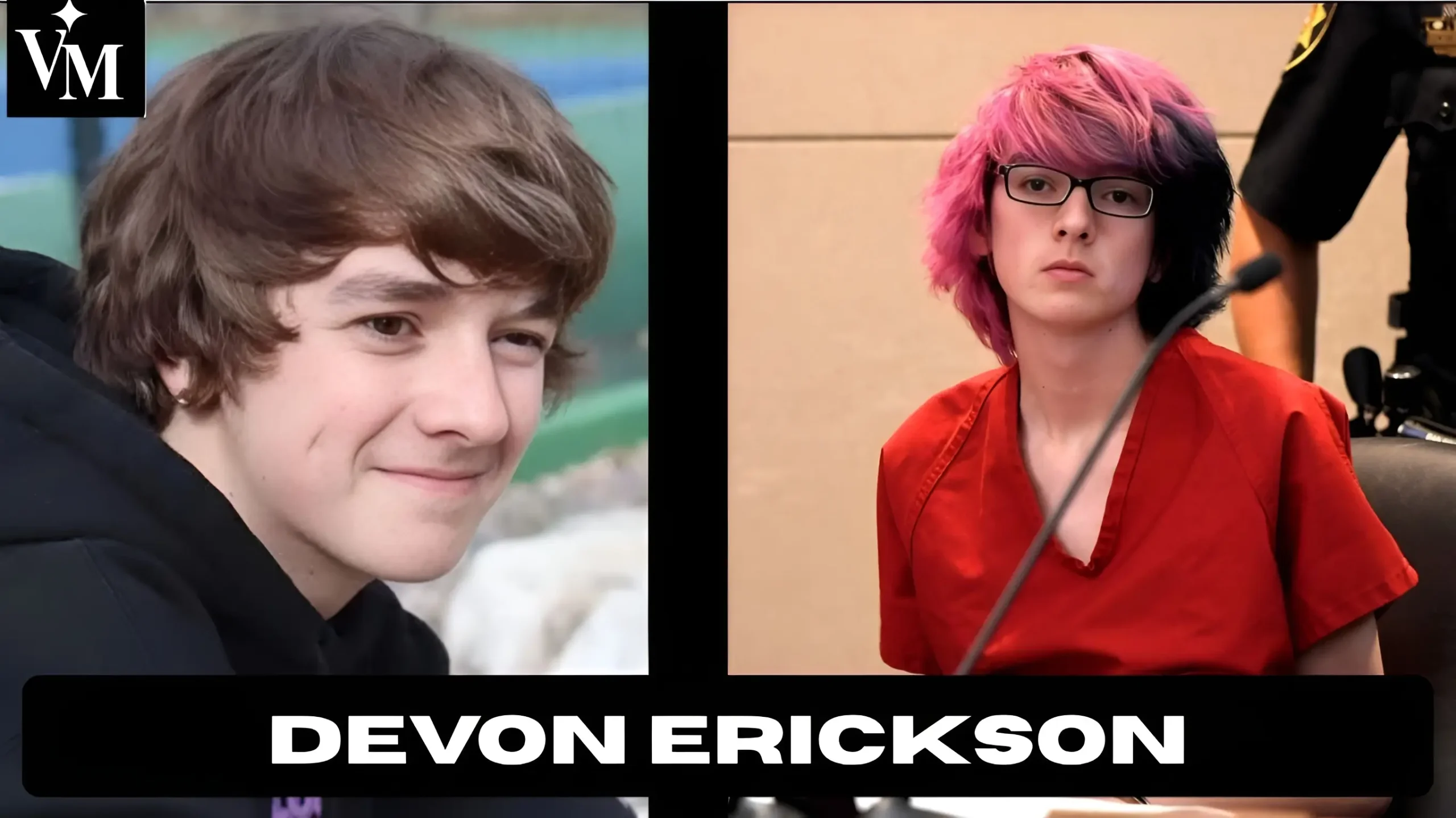
People are still talking about Devon Erickson years after the story first came out. Some people want to know what happened while others are interested in the court case or how it affected the community. No matter why people are interested it is clear that to really understand something you need to look at more than just the headlines.
When we talk about things that have had an impact on peoples lives we need to be careful and make sure we get the facts straight. Just telling a story might get peoples attention for a little while but really thinking about what happened and what it means will give people something to think about for a long time.
This article is going to look at what happened with Devon Erickson how the legal system handled it what people are saying about it and what we can learn from it. The goal is to help people really understand what happened not just remember a facts.
Why People Are Still Interested in Devon Erickson
Usually people stop paying attention to news stories after a while.. Some cases, like Devon Erickson are still important because they affect a lot of different parts of our lives. People are not just looking for facts about what happened they are trying to understand:
- What led up to it?
- How did the court case go?
- Why are people still talking about it?
- What can schools and communities learn from it?
- How can we stop something like this from happening
These questions show that people want to understand what happened not just know the facts.
Looking Deeper Than the Headlines
News stories can change quickly and sometimes the information is not complete. This can make it hard to really understand what is going on. One important thing to remember when looking at cases like Devon Erickson is that there is a difference between what happens right away and what we learn later.
Of just reacting to what happened it is better to take the time to really think about it. Looking deeper than the headlines helps us understand:
- how the legal system works,
- how communities respond,
- what schools can do to help
- how to keep people safe
*. How society can change over time.
This way of looking at things is more helpful than remembering the exciting parts.
Why People Care About Devon Erickson
People are naturally interested in cases that involve schools because schools are supposed to be places where kids can learn and grow. When something bad happens at a school it affects not the people involved but also their families, teachers and the whole community.
The fact that people are still interested in Devon Erickson shows that they care about the issues like:
- school safety,
- violence
- helping students,
- mental health,
- resolving conflicts,
- being prepared for emergencies,
- and how communities can work together.
These are all issues that schools face every day.
The Human Side of Big Cases
When we talk about cases like Devon Erickson it can be easy to forget that they affect real people. Communities can be really hurt by what happens. Families can be very sad. Students can be scared. Teachers can be unsure of what to do. Emergency workers can have memories that stay with them for a time. Lawyers and judges have to deal with difficult situations.
Remembering that there are people involved helps us talk about these cases in a more responsible way. It reminds us that we should be trying to learn from what happened not just using it for entertainment.
Why Context Matters
To understand what happened with Devon Erickson we need to look at the whole situation not just one part of it. There are usually factors that contribute to something like this happening. By looking at all of these factors we can get an understanding of what happened and why.
It is not helpful to simplify situations. Instead we should try to understand all of the things that might have contributed to what happened.
Talking About Big Cases Online
The internet has changed the way we learn about news stories. We can find information on search engines, social media, podcasts and videos.. Sometimes online discussions are more about getting attention than about being accurate.
There are some problems with online discussions like:
- incomplete information,
- misleading headlines,
- only telling part of the story
- speculation presented as fact
- using emotional language
- and spreading misinformation.
To really understand what happened we need to be careful and critical when we are reading online. We should ask questions. Not just accept what we read.
The Importance of Responsible Reporting
When we talk about cases that involve schools and young people we need to be especially careful. Responsible reporting is important because it:
- tells the truth
- uses information
- respects the people involved
- uses careful language
- avoids sensationalism,
- and gives context.
This kind of reporting helps people understand what happened and why instead of reacting emotionally.
How Communities Respond After Something Bad Happens
Every community is different and they all respond to situations in their own way. Recovering from something like this takes time. It is not always easy.
Communities might respond by:
- offering counseling,
- providing support
- holding memorial events,
- reviewing policies,
- planning for emergencies
- improving communication
- providing more mental health resources,
- and staying engaged with the community.
These efforts show that communities are strong and can get through times.
The Role of Schools in Preventing Tragedies
Schools have a big responsibility to keep their students safe. They need to create an environment where students feel:
- respected,
- supported,
- included,
- safe
- challenged,
- and able to ask for help when they need it.
Schools have learned that preventing things from happening is an important part of their job. They can do this by:
- intervening early
- communicating well
- engaging with students
- teaching conflict resolution,
- and providing support services.
By doing these things schools can help create an more supportive community.
What We Can Learn from School Culture
Imagine two schools that’re similar in many ways. One school only focuses on academics and the other school also prioritizes supporting its students.
The school that supports its students has attendance, more engagement and stronger relationships between staff and students. This shows that the culture of a school can have an impact on its students.
This is a lesson for any community that is trying to learn from cases like Devon Erickson.
Learning, from the Past
When we look back at difficult events we should try to learn from them not just remember what happened. Learning can help us:
- create schools,
- build stronger communities
- communicate better
- prevent bad things from happening,
- and plan for emergencies.
By learning from the past we can make changes and create a better future.
The Legal Process. Why It Matters
When a big crime case gets a lot of attention people often focus on the dramatic moments in court or the verdict.. The legal process is actually much more detailed than what we see on the news. Understanding how courts work helps us see how they look at evidence hear people talk and apply the law before making decisions.
In the case of Devon Erickson the legal process was closely followed. Courts are set up to look at facts in a way not based on what people think or what the media says. This is important because public discussions can move fast. Court processes take time.
Every big crime case shows that the justice system follows rules to make sure decisions are based on the law, not emotions. These rules include looking at evidence hearing from witnesses and following certain procedures. It takes time. Its meant to make sure decisions are fair.
Understanding this process helps us see why cases can take months or years to finish.
The Difference Between Public Opinion and Judicial Decisions
One challenge with cases is that people often form opinions before the court makes a decision. Social media, news articles and online videos can shape how people think. They don’t always have all the facts.
The judicial process is different because it looks at things like:
- Physical evidence
- What witnesses say
- Expert analysis
- standards
- Constitutional rights
- Rules of evidence
- Judicial oversight
These things are carefully reviewed before decisions are made. So the outcome in court might be different from what people thought based on discussions.
For those researching Devon Erickson understanding this difference gives a perspective on how justice works.
Media Coverage and Its Lasting Influence
The media plays a role in informing us. Good journalism helps us understand events and promotes transparency.
However much media attention can create challenges. Continuous coverage can focus on developing stories than completed investigations. Early reports might need clarification later as more information comes out.
This shows why it’s important to consume information. We should remember that:
- Breaking news can change.
- Early reports might not have all the details.
- Headlines don’t always capture the context.
- Understanding develops over time.
Being patient with news stories helps us understand them more accurately.
How Digital Media Changed Public Conversations
Years ago people got news from newspapers and TV. Now information spreads online.
As a result discussions about Devon Erickson went beyond journalism. Online discussions included:
- Social media commentary
- Video analysis
- Podcasts
- Blogs
- Community forums
- Educational discussions
- Public opinion pieces
While its easier for people to join conversations there’s also a risk of misinformation spreading fast.
Critical thinking has become more important for readers.
Why Critical Thinking Is Essential
Information is more accessible than ever.. Accessibility doesn’t guarantee accuracy.
When researching cases readers should ask questions:
- Is the information based on facts?
- Does the article give perspectives?
- Is the language emotionally exaggerated?
- Does the content encourage understanding. Provoke reactions?
- Are conclusions supported by evidence?
These questions help distinguish analysis from sensational storytelling.
Critical thinking benefits readers in ways.
Understanding Community Recovery
While media attention fades after legal proceedings communities deal with long-term effects.
Recovery goes beyond rebuilding spaces. It involves rebuilding:
- Confidence
- Trust
- Relationships
- Educational environments
- Mental being
- Community identity
Healing takes time and isn’t always predictable.
Schools, organizations, counselors, parents and students all contribute to recovery.
Mental Health Awareness in Educational Settings
Discussions about school incidents often involve student health.
Mental health conversations have changed significantly over the past decade.
Schools recognize that emotional well-being affects:
- Academic performance
- Attendance
- Classroom behavior
- relationships
- Personal development
- Long-term success
Supporting students emotionally doesn’t eliminate every risk but it strengthens protective factors.
Many schools now encourage communication and expand access to counseling resources.
Building Stronger Relationships Between Students and Educators
Positive relationships are a foundation of a healthy school environment.
Students who trust teachers, counselors and administrators are more willing to:
- Ask for help
- Report concerns
- Resolve conflicts
- Seek emotional support
- Participate in school activities
- Build friendships
These relationships develop through consistency, empathy, fairness and genuine communication.
Schools that invest in relationship-building often strengthen achievement and student well-being.
Lessons for Parents
Parents play a significant role in supporting healthy development.
Maintaining communication helps create opportunities for children to discuss challenges.
Practical approaches include:
- Spending time together
- Encouraging honest conversations
- Listening without judgment
- Monitoring well-being
- Staying involved in school activities
- Building trust over time
These habits strengthen family relationships. Help parents stay aware of changes in their childrens lives.
The Role of Friends and Peers
Young people often notice changes among friends before adults.
Healthy friendships encourage:
- Respect
- Kindness
- Inclusion
- Accountability
- Emotional encouragement
Students should understand that seeking help for a struggling friend is an act of care.
Creating school cultures where students feel comfortable speaking with trusted adults contributes to environments.
Educational Policy and Continuous Improvement
Every significant school incident encourages educators and policymakers to evaluate existing practices.
Than searching for one universal solution educational leaders examine multiple areas.
These may include:
- Emergency preparedness
- Communication systems
- Staff training
- Student support services
- Threat assessment procedures
- Campus safety measures
- Counseling resources
- Family engagement initiatives
Continuous improvement reflects an understanding that educational environments must adapt to changing challenges.
Case Study: The Value of Early Intervention
Consider a school where teachers receive professional development focused on recognizing changes in student behavior.
During one semester educators notice an engaged student has become withdrawn, frequently absent and socially isolated.
Staff members coordinate with counselors communicate with the students family and create a support plan.
The student gradually reconnects with classmates begins attending counseling sessions improves attendance and resumes participation in activities.
Early intervention often succeeds because it addresses concerns before they become more difficult to manage.
This lesson has influenced discussions connected to numerous school-related cases, including conversations surrounding Devon Erickson.
The Importance of Community Partnerships
Schools cannot address every challenge independently.
Successful educational communities often rely on partnerships involving:
- Families
- health professionals
- Local organizations
- Law enforcement
- Healthcare providers
- Youth programs
- Community volunteers
These partnerships strengthen available support systems and encourage collaboration.
Communities become more resilient when multiple organizations work together.
Looking Beyond One Individual
While many readers initially search for information about Devon Erickson meaningful understanding ultimately extends beyond one persons story.
The broader conversation involves questions that affect every community.
How can schools become more supportive?
How can families strengthen communication?
How can communities identify concerns earlier?
How can educational environments encourage belonging and respect?
These questions remain relevant because they focus on prevention than reaction.
By examining lessons readers gain insights that can contribute to healthier schools and stronger communities, for future generations.
The Long-Term Impact of the Devon Erickson Case
As time goes by people naturally stop talking about things that happened a while back.. Some cases like the Devon Erickson case people still talk about because they had a big impact on communities, schools and how we make laws. The story about Devon Erickson is an example. Even though the legal stuff and news about it are not as big of a deal anymore people are still talking about the ideas it brought up.
One important thing we learn is that when something big happens it does not just affect people for a while. Families, teachers, students, police officers and communities all feel the effects for a time. It is not about time healing everything but also about what we do to help people feel safe again make sure we have good support systems and help people be strong.
This way of thinking helps us look at the Devon Erickson case not as something that happened in the past but as a chance to think about how we can deal with tough situations better and how we can stop bad things from happening in the future.
Common Misconceptions About High-Profile Criminal Cases
When cases like the Devon Erickson case are over the news people often get the wrong idea about what really happened. This can happen because news stories do not always have all the facts people speculate on media or we make assumptions before we know everything.
Some common misconceptions are:
- Thinking that headlines tell the story.
- Believing that what we hear at first is always true.
- Thinking that what people say online is always fact.
- Making issues seem simpler than they are.
- Not thinking about how things affect people and communities in the run.
If we know about these misconceptions we can understand things better. Have a more balanced view.
When we are looking into things like the Devon Erickson case it is really helpful to know what is fact and what people are just guessing. If we think critically we can go beyond just feeling emotional about it and look at it in a responsible way.
Why Responsible Discussions Matter
How we talk about subjects affects how people understand them. If we talk about things in a way that’s kind, accurate and thoughtful it is much better than just spreading rumors or being sensational.
If we have discussions we can:
- Learn from what happened.
- Respect the people who were affected.
- Not spread information.
- Focus on stopping things from happening instead of being scared.
- Make our communities better.
This helps everyone, from people looking for information to teachers trying to make schools safer.
The Importance of Building Resilient Communities
Being resilient means we can get through times and come out even stronger. Communities show they are resilient when they work together are kind to each other and keep trying over time.
Some things that make communities resilient are:
- communication between schools and families.
- Having help for health.
- Programs that get the community involved.
- Plans for emergencies.
- Schools that include everyone.
- Ways for people to get involved.
- Support for people who went through something
These things do not make problems go away. They help communities deal with them better.
Technologys Role in Modern Society
Technology has changed how we get information and how we talk to each other during emergencies. While it is great that we can get updates and learn things quickly it also has its challenges.
Information can spread around the world in minutes so it is more important than ever to make sure it is true. If we use the internet responsibly we can help have conversations by checking facts before we share them.
Technology can also help in ways by:
- Helping us communicate better in emergencies.
- Giving us access to resources.
- Providing counseling
- Raising awareness in our communities.
- Offering chances to learn
- Supporting health.
If we use technology thoughtfully it can be a tool for learning and getting involved in our communities.
Lessons for Future Generations
If we look at events honestly and try to learn from them future generations will benefit.
Of just focusing on the bad things that happened we can use these events to teach important lessons that make our communities stronger and safer.
Some important lessons are:
- Being kind when we communicate.
- Understanding how others feel.
- Recognizing when someone is struggling.
- Dealing with conflicts in a way.
- Working together as a community.
- Using the internet responsibly.
- Always trying to make our schools better.
These lessons are not about one case but about making our communities better all around the world.
Case Study: Creating a Safer School Environment
Imagine a school district that wants to make its schools safer after people started worrying about it.
Of just doing one thing they come up with a plan that includes:
- Having more counselors available.
- A system for reporting concerns without saying who you are.
- Training staff to recognize changes in behavior.
- Initiatives led by students.
- Workshops for parents.
- Practices for being ready in case of an emergency.
- More activities that help everyone feel included.
Over a years the district sees real improvements in how engaged students are more people reporting concerns before they become big problems stronger relationships between students and staff and parents feeling more confident.
This example shows that making change happens when we use many different strategies together not just one.
The conversations about Devon Erickson keep reminding us how important it is to plan and work together to solve problems.
Key Takeaways
After looking at the picture around Devon Erickson we see some important ideas.
First complicated events need to be thought about carefully not just explained in terms.
Second the legal system plays a role in figuring out what really happened through court processes.
Third, responsible reporting and public discussions help us understand events better.
Fourth schools, families and communities all have a part in making sure people feel supported and heard.
Finally the best way to deal with events is to learn from them try to prevent them and always look for ways to improve.
These ideas show why talking about Devon Erickson is about more than one person or one moment in time.
Frequently Asked Questions (FAQs)
Who is Devon Erickson?
Devon Erickson is known for being involved in a profile criminal case that a lot of people paid attention to. People are still interested in the case because of what it means for the law, education and society.
Why do people keep looking for information about Devon Erickson?
Many people want to learn more about the process the bigger conversations it started and what communities have learned from it. Over time people have gone from wanting to know what is happening now to wanting to understand the case better.
Why is it important to consider the context when talking about this case?
Looking at the picture helps us go beyond just the headlines by thinking about the legal process, how it affects communities what we can learn from it for education and the long-term lessons for society instead of just focusing on what happened.
What bigger issues does this case bring up?
The case has contributed to conversations about keeping schools safe supporting students being aware of health making communities resilient reporting news responsibly and helping people before they have big problems.
How can schools help reduce risks in the future?
Schools can help prevent things from happening by promoting positive relationships providing more counseling encouraging kind communication, training staff being ready for emergencies and working closely with families and community groups.
Why should readers be careful when researching high-profile cases online?
Sometimes what we find online is not complete. It is people guessing or it is just not true. Looking at credible sources and knowing what is fact and what is opinion helps us understand things more accurately.
What can communities learn from events?
Communities often learn about working being kind being prepared, supporting mental health communicating well and always trying to improve. These lessons help make communities stronger over time.
Conclusion
People are still interested in Devon Erickson because it is about more than one person. It is about how big events affect communities, influence conversations and lead to long-term improvements.
If we look beyond the headlines we can learn lessons about the justice system, education, responsible reporting, community resilience and supporting young people before they have big problems. While there is no one way to make everything safe working together thoughtfully among schools, families, policymakers, mental health professionals and communities creates a foundation for the future.
The value of looking at cases like Devon Erickson’s not just about remembering what happened but about using what we learned to make positive changes. Having conversations making informed decisions and always trying to improve help ensure that tough experiences lead to good changes rather than just being remembered as something that happened in the past.
Readers who approach topics like Devon Erickson with curiosity, critical thinking and kindness gain an understanding of the case and the bigger issues it raises. This understanding is more meaningful than knowing the facts – it encourages reflection, responsibility and a shared commitment, to building safer, stronger and more supportive communities.
For More Visits: Value Magazine
Also Read: Jeff Gillooly: Powerful Comeback Story

