



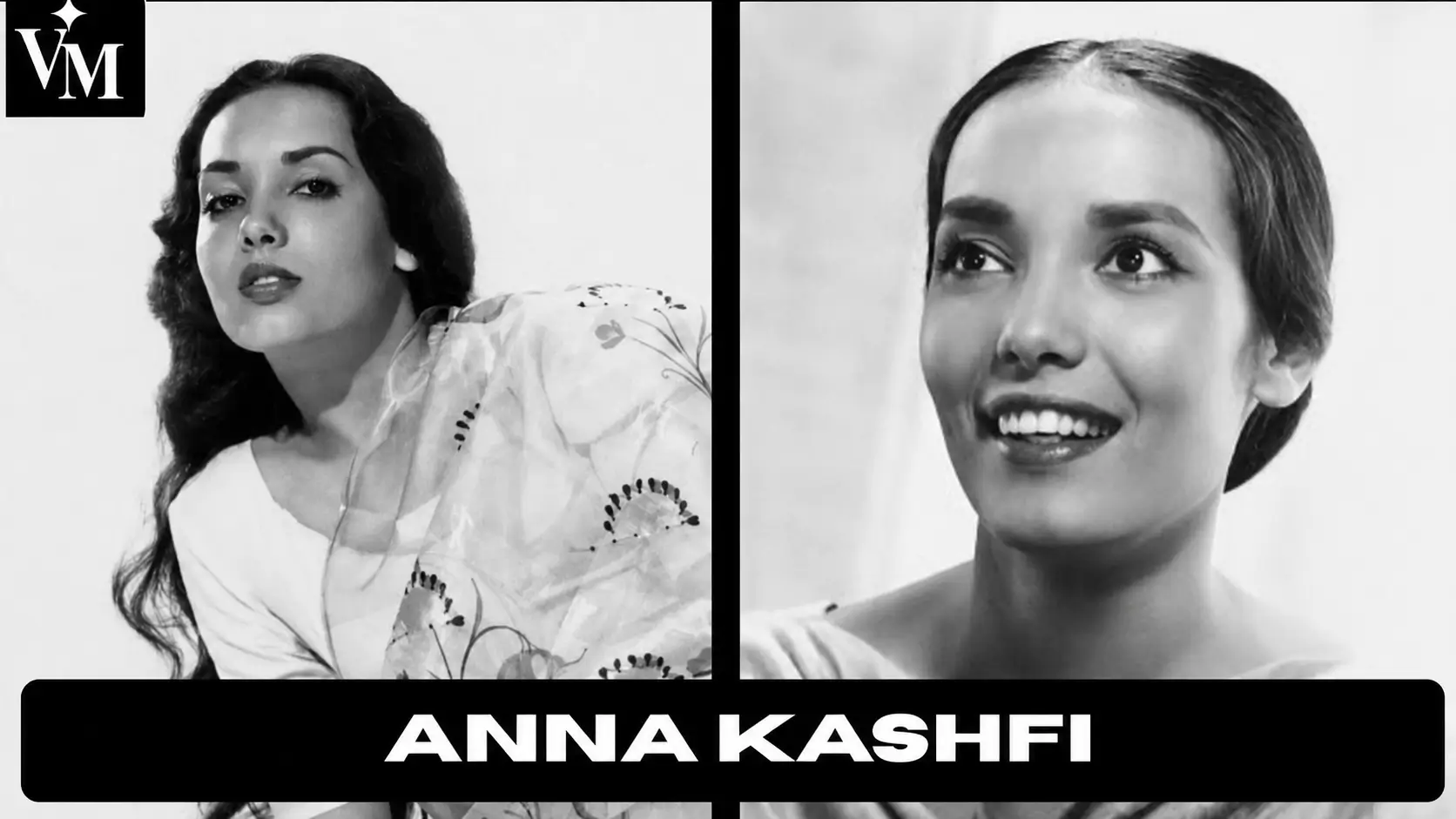
Anna Kashfi remains one of the most intriguing figures in entertainment history, a woman whose contributions to cinema and personal life have sparked countless discussions across decades. The story of Anna Kashfi is not merely about her appearances on screen or her marriages to prominent figures, but rather about her resilience, talent, and determination to maintain her identity in an industry that often demanded conformity. This exploration of Anna Kashfi’s life, career, and legacy provides readers with a deeper understanding of a woman who navigated the complexities of mid-century Hollywood with remarkable grace and conviction.
The significance of studying Anna Kashfi’s life extends beyond mere celebrity gossip or tabloid interest. Her journey reflects the broader challenges faced by actresses during the 1950s and 1960s, a period when women in film struggled for meaningful roles and creative control. Anna Kashfi’s ability to establish herself as an accomplished performer, despite various obstacles and controversies, demonstrates a level of professional dedication that deserves recognition and analysis.
Early Life and Background: Understanding Anna Kashfi’s Foundation
The early years of Anna Kashfi’s life set the stage for her later career and personal relationships. Born in 1934 in Calcutta, India, Anna Kashfi grew up in a culturally rich environment that would later inform her artistic sensibilities and worldview. Her early exposure to diverse cultural influences shaped her perspective and gave her an unique outlook that distinguished her from many of her contemporaries in Hollywood.
Anna Kashfi’s family background provided her with both opportunities and challenges that would define her early character development. Her education was carefully cultivated, and she received training in various arts that would later prove invaluable to her acting career. The combination of her Indian heritage and her exposure to Western culture created a distinctive persona that fascinated audiences and industry professionals alike.
During her formative years, Anna Kashfi demonstrated an early interest in performance and dramatic arts. This passion was not merely a passing teenage interest but rather a serious commitment to developing her craft and understanding the nuances of human emotion and expression. Her family recognized her potential and supported her aspirations to pursue a career in entertainment, though this support came with the understanding that the entertainment industry presented significant challenges and uncertainties.
The transition from her early life in India to her eventual arrival in Hollywood represented a significant turning point for Anna Kashfi. This move required considerable courage and determination, as she would need to establish herself in an unfamiliar industry while managing cultural differences and language considerations. Her willingness to embrace this challenge demonstrated the kind of resilience that would characterize her entire career.
Career Beginnings: Anna Kashfi’s Entry into Film
Anna Kashfi’s entry into Hollywood during the 1950s occurred during a fascinating period in cinema history. The film industry was undergoing significant changes, with new production techniques, evolving audience expectations, and shifting narrative themes reshaping the landscape of entertainment. Anna Kashfi arrived at a moment when her unique background and distinctive appearance offered genuine novelty to casting directors and producers looking for fresh talent.
Her early film roles demonstrated her versatility as a performer and her ability to inhabit diverse characters across different genres. Rather than being typecast into roles that exploited her Indian heritage exclusively, Anna Kashfi actively sought varied characters that would showcase her range as an actress. This approach required negotiation and persistence, as producers and directors often had preconceived notions about how to utilize actresses with her background.
One of the defining aspects of Anna Kashfi’s career was her commitment to bringing authenticity to her roles. She invested significant time in character development and understanding the psychological motivations of the characters she portrayed. This methodical approach to acting set her apart from some of her contemporaries and earned respect from directors who valued actors with serious artistic intentions.
Anna Kashfi’s filmography includes several notable productions that demonstrated her growing confidence and professional maturity. Each role she took on represented a deliberate choice to challenge herself and expand her capabilities as a performer. The films she selected showed careful consideration of how each role would contribute to her overall artistic development and public perception in the industry.
Notable Film Appearances and Professional Achievements
Throughout the 1950s and into the early 1960s, Anna Kashfi accumulated a body of work that demonstrated her dedication to her craft. Her performances were characterized by emotional depth and a commitment to understanding the psychological complexity of her characters. Critics who reviewed her work often noted her ability to bring nuance and authenticity to roles that might have been played superficially by less committed actresses.
The roles that Anna Kashfi pursued revealed her professional judgment and artistic preferences. She was drawn to characters that presented psychological complexity and emotional challenges, rather than purely decorative roles that merely required physical presence and conventional beauty. This commitment to substantial roles positioned her as a serious actress rather than merely a decorative presence in Hollywood productions.
Key achievements in her career included:
- Successfully breaking through ethnic stereotyping to secure diverse, meaningful roles
- Earning respect from acclaimed directors and screenwriters for her dedication to character development
- Demonstrating versatility across multiple film genres and production scales
- Building a professional reputation based on acting ability rather than mere celebrity status
- Contributing to important films that addressed social themes and contemporary issues
- Establishing herself as a reliable, professional performer in an industry known for its instability and superficiality
Personal Life and Relationships: The Public and Private Dimensions
The personal life of Anna Kashfi inevitably intersected with her professional career, as is often the case with public figures. Her relationships, particularly her marriage to Marlon Brando, generated significant media attention and became defining aspects of her public identity. However, it is important to recognize that Anna Kashfi was a multidimensional person whose worth cannot be reduced to her romantic relationships or personal controversies.
Anna Kashfi’s marriage to Marlon Brando represented one of Hollywood’s more complex and scrutinized partnerships. This relationship brought her into the orbit of one of cinema’s most influential and controversial figures. The marriage, while ultimately unsuccessful, produced a son and created lasting legal and personal ramifications that would extend for decades. The attention surrounding this relationship sometimes overshadowed discussion of her professional accomplishments, a phenomenon that reflects broader patterns in how society discusses women in entertainment.
The challenges Anna Kashfi faced in her personal relationships reflected broader social dynamics of her era. Women in the 1950s and 1960s, particularly those in the public eye, faced intense scrutiny regarding their personal choices and moral character. Anna Kashfi navigated these pressures while simultaneously attempting to maintain her professional identity and pursue meaningful work in an industry that often prioritized gossip over substance.
Navigating Parenthood and Career Demands
Motherhood represented another significant dimension of Anna Kashfi’s life experience. The demands of raising a child while pursuing a career in entertainment presented considerable challenges, particularly during an era when public attitudes toward working mothers were considerably less supportive than they are today. Anna Kashfi managed these competing demands with a determination to maintain her presence in both her child’s life and her professional sphere.
The experience of balancing motherhood with career aspirations gave Anna Kashfi unique insights into the challenges faced by women working in entertainment. She became an early advocate for understanding the particular pressures that mothers in the entertainment industry experience. Her willingness to speak about these challenges contributed to broader conversations about women’s roles and the expectations placed upon them.
Media Portrayal and Public Perception: Anna Kashfi in the Court of Public Opinion
The media’s treatment of Anna Kashfi evolved considerably over the decades, reflecting changing cultural attitudes and journalistic practices. In the early stages of her career, media coverage focused primarily on her professional accomplishments and her distinctive background. As her personal relationships became more prominent in public consciousness, media narratives shifted to emphasize her personal life over her professional achievements.
This shift in media focus reflects a common pattern in entertainment journalism, where personal scandals and relationship drama frequently eclipse discussion of artistic merit and professional accomplishments. Anna Kashfi’s experience navigating this media landscape provided her with valuable lessons about the nature of celebrity in modern culture and the challenges of maintaining a positive public image while living under constant public scrutiny.
The complexities of her public image were further complicated by racial and cultural factors. During the 1950s and 1960s, attitudes toward individuals of Indian heritage were considerably different from contemporary perspectives. Anna Kashfi had to navigate media characterizations that sometimes emphasized exoticism or played into stereotypes about women from non-Western backgrounds. Her ability to maintain her dignity and professional standards despite this prejudicial coverage demonstrated considerable personal strength and professional resolve.
Artistic Contributions to Cinema: Anna Kashfi’s Legacy as a Performer
Beyond the headlines and personal controversies, Anna Kashfi’s artistic contributions to cinema deserve serious consideration and appreciation. Her work as a performer contributed to the evolution of film during a significant period in cinema history. She participated in productions that explored important social themes and challenged conventional narratives, placing her among actresses who used their platform to contribute meaningfully to cultural discourse.
The characters Anna Kashfi portrayed often embodied complexity and psychological depth. Rather than accepting one-dimensional roles designed purely for entertainment value, she sought opportunities to portray characters with inner lives, emotional struggles, and meaningful story arcs. This commitment to substantial roles positioned her within a tradition of serious actresses who viewed their work as an art form rather than mere commercial entertainment.
Her collaborations with various directors provided opportunities to work with filmmakers who valued artistic integrity and actor-director collaboration. These professional relationships resulted in performances that demonstrated her capacity for nuance and her ability to respond to directorial guidance while maintaining her own artistic vision. The resulting films became part of cinema’s historical record, preserving performances that showcase her talents and contributions to the medium.
Overcoming Adversity: Resilience and Perseverance
Anna Kashfi’s career and personal life were marked by considerable challenges and obstacles that would have derailed many individuals. Her ability to persevere through difficulties, maintain her professionalism, and continue pursuing meaningful work demonstrates remarkable character strength. The legal battles, personal controversies, and professional setbacks she experienced did not prevent her from maintaining her commitment to her craft and her principles.
This resilience in the face of adversity speaks to fundamental aspects of Anna Kashfi’s character that deserve recognition and respect. Rather than retreating from public life or abandoning her professional aspirations when circumstances became difficult, she chose to continue moving forward and advocating for herself. This determination provides an instructive example for anyone facing significant challenges or obstacles in their own life and career.
The obstacles Anna Kashfi encountered were not merely personal but reflected systemic challenges within the entertainment industry. As a woman and an individual of non-European heritage seeking meaningful work and recognition, she faced structural barriers that many of her contemporaries did not confront. Her navigation of these barriers contributed not only to her own career development but to broader progress in making the entertainment industry more inclusive and equitable.
Industry Impact: Anna Kashfi’s Influence on Hollywood
The influence of Anna Kashfi on the entertainment industry, while sometimes overlooked, deserves recognition and analysis. Her presence in Hollywood films during the 1950s and 1960s helped to normalize the presence of actresses from diverse ethnic backgrounds in significant roles. This contribution to gradual cultural change in cinema, though subtle, represented an important step toward greater inclusivity in the film industry.
Anna Kashfi’s career trajectory provided a model for other actresses from non-Western backgrounds seeking to establish themselves in Hollywood. Her insistence on pursuing substantial roles and refusing to accept stereotypical characterizations demonstrated that individuals could successfully challenge industry conventions and carve out meaningful careers based on talent and determination. This example influenced subsequent generations of actresses who similarly refused to be confined by narrow casting expectations.
The professional standards that Anna Kashfi maintained throughout her career established a benchmark for professionalism and artistic integrity. She approached her work with the kind of seriousness and dedication that earned respect from colleagues and collaborators. This reputation for professionalism benefited not only her own career prospects but contributed to the broader elevation of standards within the industry regarding how actresses were treated and valued.
Legal Matters and Personal Controversies: Understanding Context and Complexity
The legal disputes and personal controversies that marked certain periods of Anna Kashfi’s life occurred within specific historical and social contexts that are important to understand. These situations, while sometimes presented in sensationalist terms by media outlets, reflected the complex realities of her circumstances and the legal and social frameworks within which she was operating.
Anna Kashfi’s willingness to pursue legal action to protect her interests and advocate for herself demonstrated agency and determination. Rather than accepting situations that she perceived as unjust, she sought legal recourse and fought for her rights. This advocacy on her own behalf, while sometimes generating negative publicity, reflected her commitment to standing up for her principles and her refusal to be treated dismissively.
The controversies surrounding Anna Kashfi were frequently portrayed in ways that prioritized entertainment value over accuracy or nuance. Media narratives were often designed to sensationalize rather than illuminate, resulting in public perceptions that did not necessarily reflect the complexities of the situations involved. Understanding Anna Kashfi’s life requires looking beyond these sensationalist portrayals to examine the actual facts and circumstances of the events that generated headlines.
Later Career and Professional Evolution
As Anna Kashfi’s career progressed into later decades, she continued to pursue work as an actress while also becoming involved in other ventures and interests. The evolution of her professional focus reflected both changing circumstances in the entertainment industry and her own developing interests and priorities. This willingness to adapt and explore new directions demonstrated the kind of flexibility and resilience that enabled her to maintain relevance and productivity throughout her life.
The transition from leading roles to character roles, often a natural progression for aging actresses in the industry, represented another phase in Anna Kashfi’s professional development. Rather than viewing this transition negatively, she pursued roles that offered meaningful opportunities for artistic expression regardless of the size or prominence of the part. This mature approach to career management demonstrated professional wisdom and realistic assessment of available opportunities.
Anna Kashfi’s ability to remain active in the entertainment industry across multiple decades reflected her genuine passion for performance and her deep-seated commitment to her craft. The longevity of her career, while perhaps not generating the same level of public attention as her early years, represented a significant achievement in an industry known for its disposability toward aging performers, particularly women.
Cultural Significance and Historical Context
Understanding Anna Kashfi’s significance requires placing her career and life within the broader historical and cultural context of mid-twentieth century America. The 1950s and 1960s represented a period of significant social change, during which racial attitudes and cultural perspectives were evolving in complex ways. Anna Kashfi’s presence in Hollywood films during this transformative period contributed to broader cultural shifts regarding the acceptance and integration of diverse individuals within mainstream entertainment.
The timing of Anna Kashfi’s career emergence positioned her at a crucial moment in cinema history. Her work contributed to the gradual expansion of the types of roles available to actresses from non-European backgrounds and helped to challenge narrow casting conventions that had previously limited opportunities. While systemic issues in the entertainment industry certainly persisted and continue to present challenges today, Anna Kashfi’s career represented progress within the context of her historical moment.
Anna Kashfi’s life story also reflects broader themes about the immigrant experience, cultural identity, and the pursuit of success in a new country. Her journey from India to Hollywood embodied the aspirations and challenges of individuals seeking to establish themselves in a new cultural context. The obstacles she encountered and overcame provide insights into the historical experiences of immigrants and non-mainstream individuals working within elite cultural institutions.
Professional Relationships and Collaborations
Throughout her career, Anna Kashfi developed professional relationships with numerous directors, producers, and fellow actors whose work contributed to her artistic development. These collaborations represented more than transactional professional relationships; they involved the kind of artistic dialogue and mutual influence that characterizes serious artistic endeavor. The directors she worked with recognized her commitment to her craft and valued her contributions to their productions.
The collaborative nature of film production meant that Anna Kashfi’s performances resulted from interactions between her own artistic vision and the directorial guidance she received. This dynamic allowed for the kind of creative growth and artistic development that occurs when talented individuals work together toward shared artistic goals. The resulting performances reflected both her own talents and the influence of skilled directors who helped to shape and refine her artistic abilities.
Relationships with fellow cast members also contributed to Anna Kashfi’s professional development and personal satisfaction in her work. The ensemble nature of film production means that actors influence and learn from one another during the filming process. These interpersonal dynamics, while sometimes overlooked in discussions of cinema, play an important role in the final quality of performances and the overall artistic achievement of a production.
Personal Philosophy and Perspective
Understanding Anna Kashfi requires considering her personal philosophy and worldview, which were shaped by her unique background and experiences. Her perspectives on art, career, and life reflected the influence of her Indian heritage combined with her experience navigating American culture and the entertainment industry. This synthesis of different cultural influences created a distinctive philosophical outlook that informed her approach to her work and her life.
Anna Kashfi’s commitment to authenticity in her performances reflected a broader philosophy regarding the importance of truthfulness in art. She believed that meaningful performance required genuine emotional engagement and serious attention to the psychological realities of the characters she portrayed. This approach to acting, while perhaps not always producing the most commercially successful outcomes, resulted in performances of considerable artistic merit and integrity.
Her perspectives on personal relationships and family responsibility were similarly shaped by her cultural background and her experiences navigating complex circumstances. Anna Kashfi believed in the importance of maintaining her principles and advocating for herself and her family’s well-being, even when doing so generated public controversy or negative media attention. This commitment to personal integrity, regardless of external pressures or social judgment, represented a guiding principle throughout her life.
Frequently Asked Questions About Anna Kashfi
Q: What were Anna Kashfi’s most significant film roles? A: Anna Kashfi appeared in numerous productions throughout her career, with several roles that demonstrated her range and abilities as an actress. Her performances in various films of the 1950s and 1960s showcased her versatility and commitment to her craft. While specific productions varied in commercial success, many of her performances are regarded as examples of serious dramatic acting by critics and film historians.
Q: How did Anna Kashfi’s marriage to Marlon Brando impact her career? A: Anna Kashfi’s marriage to Marlon Brando generated significant media attention that both benefited and complicated her career trajectory. While the relationship increased public interest in her work, it also resulted in media narratives that often overshadowed discussion of her professional accomplishments. The attention surrounding this relationship reflected broader patterns in how society addresses women in entertainment, particularly regarding the tendency to define women by their romantic relationships rather than their professional achievements.
Q: What was Anna Kashfi’s background and ethnicity? A: Anna Kashfi was born in Calcutta, India, in 1934, and grew up in a culturally rich environment that informed her artistic sensibilities. Her Indian heritage was a significant aspect of her identity, though she experienced considerable challenges in an entertainment industry that often held prejudicial attitudes toward individuals from non-Western backgrounds. Her navigation of these cultural and racial dynamics forms an important part of her life story and historical significance.
Q: Did Anna Kashfi continue working in entertainment throughout her life? A: Yes, Anna Kashfi maintained her involvement in the entertainment industry across multiple decades. While her career trajectory evolved over time, as is typical for most performers, she continued to pursue meaningful work and remained connected to the industry that had been central to her professional identity throughout her adult life.
Q: What legal disputes was Anna Kashfi involved in? A: Anna Kashfi engaged in various legal disputes related to her personal relationships and financial matters. These legal matters, while sometimes sensationalized by media outlets, reflected her determination to advocate for herself and protect her interests. Understanding these disputes requires examining the specific circumstances and context rather than accepting sensationalist media portrayals at face value.
Q: How did Anna Kashfi’s career reflect broader changes in the entertainment industry? A: Anna Kashfi’s career demonstrated the gradual expansion of opportunities for actresses from diverse ethnic backgrounds. Her presence in significant roles contributed to challenging industry conventions and stereotypes. Her professional trajectory, marked by her insistence on substantial roles and serious artistic engagement, influenced subsequent generations of performers and contributed to broader cultural shifts regarding inclusivity in entertainment.
Q: What is Anna Kashfi’s legacy in cinema history? A: Anna Kashfi’s legacy encompasses her contributions as a performer during an important period in cinema history, her navigation of cultural and professional challenges with resilience and determination, and her influence on broader patterns of inclusion and diversity in the entertainment industry. Her life and career represent an important chapter in cinema’s historical development and provide valuable insights into the experiences of women and non-mainstream individuals working within elite cultural institutions.
Q: How did Anna Kashfi navigate the challenges of being a mother while maintaining her acting career? A: Anna Kashfi balanced motherhood with professional aspirations through determination and careful management of competing demands. Her experience managing these dual responsibilities during an era with less supportive cultural attitudes toward working mothers demonstrated considerable personal resolve. She became an important voice regarding the particular challenges that mothers in the entertainment industry face.
Q: What was Anna Kashfi’s approach to acting and character development? A: Anna Kashfi approached acting with considerable seriousness and invested significant time in understanding the psychological motivations and emotional realities of her characters. She sought roles that presented artistic challenges and the opportunity for meaningful character development. This methodical approach to her craft distinguished her among contemporaries and contributed to performances characterized by emotional depth and authenticity.
Q: How has Anna Kashfi been portrayed in film history and popular culture? A: Anna Kashfi’s portrayal in film history and popular culture has evolved considerably over decades. While early discussions focused on her professional accomplishments, later narratives often emphasized her personal relationships and controversies. Contemporary reassessment of her career demonstrates the importance of examining her full body of work and professional achievements, rather than allowing sensationalist elements of her personal life to completely overshadow discussion of her artistic contributions and historical significance.
Conclusion: Remembering Anna Kashfi’s Contributions
The life and career of Anna Kashfi represent far more than the gossip and scandal that sometimes dominate popular discussion. Anna Kashfi was a dedicated professional who pursued meaningful work in a challenging industry, navigated significant personal and professional obstacles with determination, and contributed to gradual but meaningful progress toward greater inclusivity and diversity in entertainment. Her artistic performances, her commitment to her craft, and her willingness to stand up for her principles deserve recognition and respect.
Anna Kashfi’s journey from India to Hollywood, her navigation of prejudice and limited opportunities, and her persistence in building a meaningful career despite considerable obstacles provide an important historical record of the experiences of women and individuals from non-mainstream backgrounds working in elite cultural institutions during the mid-twentieth century. Her life story contributes to broader understanding of cinema history, immigration, cultural identity, and the pursuit of success in challenging circumstances.
The ongoing relevance of Anna Kashfi’s story lies not merely in historical interest but in the contemporary significance of her experiences and achievements. As modern society continues to grapple with questions regarding diversity, representation, and equity in entertainment and other fields, Anna Kashfi’s career and life provide valuable precedents and insights. Her willingness to challenge conventions, pursue her aspirations despite obstacles, and maintain her integrity and principles regardless of external pressures offers lessons that remain relevant and instructive.
Anna Kashfi’s legacy extends beyond individual films or roles to encompass her broader contributions to cultural evolution and progress. She was not merely a performer in entertaining spectacles but an individual whose very presence in significant roles contributed to expanding possibilities and challenging limitations that had previously constrained women and individuals from non-Western backgrounds. This cultural contribution, while subtle, represented genuine progress within the context of her historical moment and continues to resonate with significance today. Understanding and appreciating Anna Kashfi’s full legacy requires recognizing her as a multidimensional individual whose professional accomplishments, personal resilience, and cultural impact deserve serious consideration and respect.
For More Visits: Value Magazine
Also Read: Honey Hollman: Complete Guide to Hollywood’s Rising Star

