



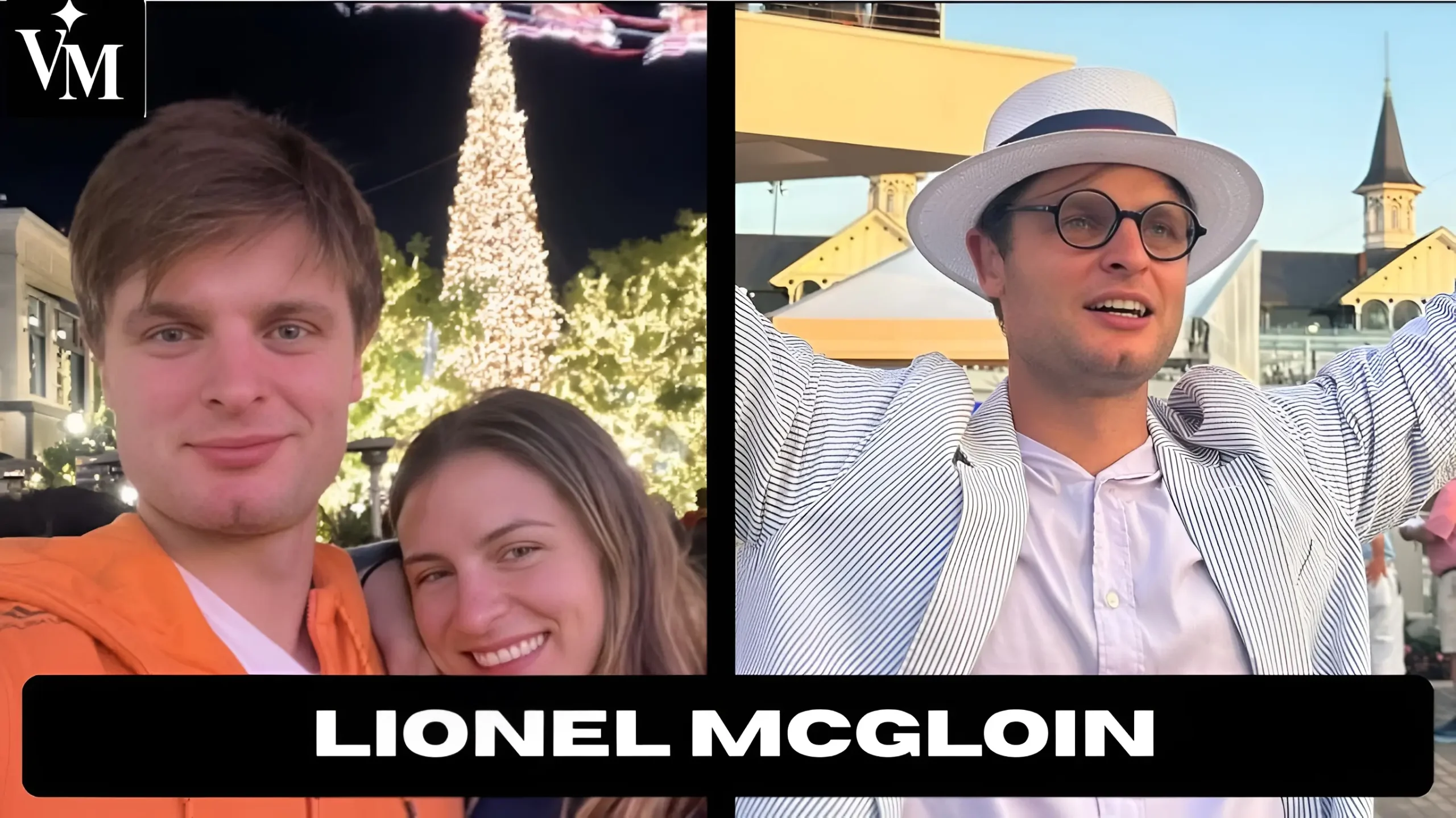
The landscape of political commentary and social satire has undergone a seismic shift in recent years. Traditional media gatekeepers no longer monopolize the conversation about cultural events, political movements, and social trends. Instead, a new breed of digital creators has emerged—those who operate with sharp wit, deadpan delivery, and an unwavering commitment to exposing ideological absurdities through humor. Among these influential figures stands Lionel McGloin, an American comedian and satirical journalist who has fundamentally changed how audiences consume political and social commentary through viral video content.
Operating under distinctive social media handles including @TheRealBigLie and @nocapongodfr across platforms like TikTok and X, Lionel McGloin has cultivated a following that spans millions of engaged viewers. His approach to comedy and journalism differs significantly from mainstream media formats. Rather than relying on studio setups or traditional talking-head commentary, McGloin employs a “man-on-the-street” interview methodology that catches real people off guard with carefully crafted satirical questions designed to highlight logical inconsistencies in modern activist rhetoric and progressive political messaging.
This article explores the multifaceted career of Lionel McGloin, examining how he has leveraged satire as a tool for social commentary, his viral success across digital platforms, and his broader impact on contemporary internet culture and political discourse.
The Evolution of Satirical Journalism in the Digital Age
Before examining Lionel McGloin’s specific contributions to digital satire, it’s essential to understand the broader context of how political commentary has evolved online. For decades, satirical journalism existed primarily in magazines like The Onion, on television programs like Saturday Night Live, and in the pages of publications that employed writers with institutional resources and editorial oversight.
The digital revolution democratized satire. Anyone with a smartphone and internet connection could now produce content that reaches millions. This shift created new opportunities for creators willing to take risks, challenge mainstream narratives, and present perspectives that traditional media outlets either ignored or actively suppressed.
Satirical journalism in the digital age operates differently from its print predecessors. Rather than waiting for publication cycles or broadcast schedules, creators can publish instantly. Rather than limiting themselves to specific demographics based on magazine circulation or television viewership, they can reach global audiences immediately. Most importantly, they can adapt their messaging in real-time based on feedback, algorithmic performance, and trending topics.
Within this environment, Lionel McGloin emerged as a distinctive voice. While many online commentators rely on monologues, rants, or scripted skits, McGloin’s approach centers on genuine human interaction. His interviews capture authentic reactions from real people responding to satirical premises delivered with absolute deadpan conviction. This creates cognitive dissonance in viewers—they watch real people struggling to respond to absurd questions asked completely seriously, creating comedy through genuine confusion rather than written punchlines.
Understanding Lionel McGloin’s Interview Methodology
The foundation of Lionel McGloin’s content strategy rests on a deceptively simple framework: ask ideologically charged questions at public events, maintain complete seriousness regardless of the absurdity level, and capture genuine human reactions on camera.
The genius of this approach lies in its psychological sophistication. Most comedians signal their intention through tone of voice, facial expressions, or explicit jokes. Conversely, Lionel McGloin’s deadpan delivery means viewers experience genuine uncertainty about whether he actually believes what he’s saying. This uncertainty creates tension that resolves into laughter when the absurdity becomes undeniable.
Consider the core elements of his interview method:
The Setup Phase: Before approaching subjects, Lionel McGloin typically establishes a premise—often an exaggerated or inverted version of common activist talking points. He might frame his question around extreme interpretations of environmental policy, identity politics, or social justice concepts that have entered mainstream discourse.
The Delivery: Rather than signaling irony through vocal inflection or obvious comedic timing, McGloin delivers each question with genuine curiosity. He uses the internet slang characteristic of his generation (such as “no cap on god,” meaning no lie) to establish authenticity and relatability with his audience while maintaining the serious façade necessary for the joke to function.
The Capture: His camera work often maintains tight focus on the interviewee’s face as they process what’s being asked. This creates visceral comedy as viewers watch the subject’s facial expressions shift from initial confusion to dawning realization that they’re being satirized. Sometimes this takes seconds; sometimes it takes the entire exchange.
The Context: McGloin frequently operates at major cultural and political events—protests, conventions, activism gatherings. This context amplifies the satire by placing ridiculous questions directly within spaces associated with serious ideological commitment.
The Psychology Behind Deadpan Satire and Its Effectiveness
Why does Lionel McGloin’s approach resonate so powerfully with audiences? The answer involves understanding how comedy functions at psychological and neurological levels.
Humor, neuroscience research suggests, emerges partially from incongruity—when expectation and reality diverge. Traditional comedians signal this incongruity through obvious means. They set up a premise that leads the audience to expect one outcome, then deliver an unexpected punchline. The mismatch creates laughter.
Lionel McGloin’s approach amplifies this incongruity by removing the signal. Viewers expect that someone appearing on camera to interview real people is doing so in good faith. The questions being asked in a serious tone should be sincerely motivated. When this expectation clashes with the gradually-apparent ridiculousness of the premise, the psychological tension resolves into laughter—often stronger laughter than traditionally-formatted comedy produces, precisely because the illusion lasted longer.
This technique also taps into what psychologists call “superiority theory” in humor. Audiences often find humor in watching others appear foolish or confused. However, Lionel McGloin’s format creates a more sophisticated version of this. The interviewees aren’t intentionally performing foolishness—they’re genuinely confused, briefly embarrassed, then often able to laugh at the situation themselves. This creates a more complex emotional response than pure mockery would generate.
Additionally, McGloin’s humor functions as social commentary through deflation. He targets ideological rhetoric by asking it to justify itself against absurd logical extensions or implications. When an interviewee struggles to explain why his ridiculous premise is actually different from their stated beliefs, the audience witnesses the gap between ideological abstraction and practical logic. This is satire functioning at its most sophisticated level—using humor to highlight genuine intellectual or rhetorical inconsistencies rather than simply mocking beliefs or people.
Building a Massive Following Across Multiple Platforms
Lionel McGloin’s success transcends any single social media platform. Rather than confining his content to one service, he has strategically maintained presence across multiple channels, each with distinct audience demographics and content formats.
TikTok Strategy: On TikTok, McGloin’s short-form content performs exceptionally well. The platform’s algorithm favors watch-through rates and engagement, both of which his interviews generate naturally. Viewers stop scrolling to see how someone reacts to an absurd question. They rewatch videos to catch details they missed during their initial viewing. They share videos because the content feels both entertaining and ideologically validating to their perspective.
The short-form nature of TikTok also suits his content perfectly. His typical interview runs 30 seconds to two minutes—ideal for the platform’s core user base. Longer philosophical discussions or contextual explanations get trimmed to the essential comedic moment, the core exchange that demonstrates his satirical point.
X/Twitter Presence: On X (formerly Twitter), Lionel McGloin maintains presence through both video content and reactive commentary. The platform’s emphasis on text and discussion allows him to elaborate on satirical points, engage with comments directly, and participate in broader conversations around politics and culture. His X account serves both as a content distribution channel and as a platform for direct engagement with audiences invested enough to follow him across multiple services.
Twitter’s retweet mechanism means his content spreads beyond his immediate followers through network effects. When users share his videos with commentary or reactions, his reach expands exponentially. This dynamic has enabled him to achieve viral status for specific videos that reach tens of millions of impressions.
Cross-Platform Strategy: Rather than seeing different platforms as competitors, McGloin uses them as complementary channels. A video that performs well on TikTok gets redistributed on X with additional context. Engagement on one platform generates traffic to others. This integrated approach maximizes both reach and audience retention.
The numbers demonstrate this strategy’s effectiveness. Each platform individually shows substantial following—millions of users across services. More importantly, the audiences often overlap, creating a core base of engaged followers who consume his content across multiple platforms and recommend it to their networks.
Analyzing the Content Strategy Behind Viral Success
Understanding why Lionel McGloin’s content consistently achieves viral status requires examining the deliberate strategic choices underlying his creative work.
Topicality and Timeliness: McGloin consistently creates content responding to current events. When major political events occur—conventions, protests, legislative moments, cultural controversies—he appears at those locations with camera in hand. This timeliness means his content speaks directly to conversations already happening across media and social networks. People interested in recent events discover his satirical take on those same events, finding his perspective either validating or provocative enough to share.
Controversial Subject Matter: His content frequently engages with politically and culturally divisive topics. While mainstream media often approaches such topics with caution, McGloin’s satire addresses them directly. This creates strong emotional responses from viewers—either delighted agreement or indignant disagreement. Both emotional responses drive engagement and sharing, as people feel compelled to recommend or argue against his perspective.
Accessibility and Clarity: Despite engaging with complex ideological topics, his content remains remarkably accessible. He doesn’t require viewers to possess specialized knowledge or follow previous videos to understand the joke. Each video works as a self-contained unit, communicating a complete satirical idea within its runtime. This accessibility broadens his appeal beyond ideologically engaged audiences to general viewers seeking entertainment.
Authenticity and Unpredictability: Unlike scripted comedy, McGloin’s interview format captures genuine human moments. Interviewees respond unpredictably. Their reactions provide comedic material he couldn’t have scripted. This authenticity resonates powerfully with audiences habituated to carefully produced, controlled media content. The unscripted nature signals honesty and removes the barrier between performer and audience.
Parasocial Connection: By consistently appearing on camera, maintaining recognizable interview formats, and engaging with audiences across social platforms, McGloin builds parasocial relationships with followers. People feel they know him through his regular appearances and consistent comedic perspective. This familiarity increases loyalty and likelihood of sharing his new content with others who might appreciate his comedic style.
Case Study: Major Event Coverage and Viral Moments
Examining specific instances of Lionel McGloin’s viral success reveals how his strategic approach translates into measurable impact.
Democratic National Convention Coverage (2024): When major political conventions occur, they become focal points for commentary across all media. McGloin’s decision to attend and interview convention attendees created content that accumulated tens of millions of views. His interviews captured delegates and attendees responding to satirical questions about progressive political priorities, creating moments that contradicted the convention’s carefully curated messaging.
The success of this coverage exemplified his strategic approach. By appearing at a major news event, he accessed an audience already consuming convention-related content. By creating material that challenged progressive rhetoric, he appealed to audiences skeptical of the convention’s messaging. By maintaining his deadpan approach, he created content that worked as entertainment regardless of viewers’ political perspective—people could enjoy laughing at convention-goers either because they agreed with McGloin’s satirical critiques or because they found the situations awkward and amusing.
Social Justice Movement Interviews: Throughout his career, Lionel McGloin has created extensive content engaging with social justice activism. Whether interviewing activists at protests, engaging with attendees at conventions focused on identity and equity, or asking questions about modern progressive rhetoric, he has consistently found material in the gap between activist ideological statements and practical application.
These videos generate massive engagement because they speak to a significant cultural tension. Large portions of the online audience are deeply skeptical of activist rhetoric while lacking a mainstream media outlet expressing that skepticism. McGloin provides that outlet through satire. Conversely, audiences sympathetic to activist movements sometimes watch his videos to understand how critics perceive their movements, then engage critically with the satirical points raised.
Trending Topic Responsiveness: Throughout 2025 and into 2026, McGloin has demonstrated consistent ability to respond rapidly to trending topics with satirical content. When particular controversies emerge, when new activist initiatives launch, or when politicians make controversial statements, his content appears quickly, capitalizing on audience interest and algorithmic amplification of trending topics.
This responsiveness reflects both the advantages of digital-first content creation and McGloin’s operational flexibility. Traditional media requires editorial approval, scheduling, and logistical coordination. McGloin operates with minimal overhead—a camera, editing capability, and willingness to appear on camera. This enables rapid response that captures viral moments while they remain culturally salient.
Entertainment Industry Work and Creative Diversification
Beyond his role as a social media satirist, Lionel McGloin has pursued opportunities within the broader entertainment industry, demonstrating versatility that extends his professional brand across multiple creative domains.
Acting and Film Work: As a SAG-AFTRA member, McGloin has appeared in independent films and short projects including “The Time Traveling Sheriff” (2021) and “Fast Edee.” This acting work serves multiple functions in his career development. It provides additional creative outlets allowing him to develop performance skills beyond interview-based comedy. It expands his visibility within entertainment industry circles. It creates content for audiences interested in his development as a performer rather than purely as a social commentator.
More strategically, his acting credits provide credibility within entertainment industry contexts. When he approaches event coverage or interviews, his SAG-AFTRA status signals professional legitimacy. This can facilitate access to events and locations that might restrict amateur content creators. It also positions him as a legitimate performer and entertainer rather than purely an internet personality, which can affect how mainstream media outlets perceive and cover his work.
Music Production: Under the project name “Big Lie,” McGloin has pursued composer and lyricist credits, registering with appropriate performing rights organizations. This musical work reflects broader creative ambitions beyond social media content. It allows him to explore different artistic expression modes and potentially reach audiences through music who might not encounter his interview-based comedy.
The music work also provides potential additional revenue streams through performance royalties and licensing opportunities. More importantly, it demonstrates commitment to creative development and entertainment industry integration that extends beyond viral social media content.
Impact on Digital Culture and Political Discourse
Evaluating Lionel McGloin’s influence requires examining his impact on broader cultural and political dynamics, not merely his immediate viral success metrics.
Mainstreaming of Satirical Political Critique: Before creators like McGloin achieved massive followings, satirical political commentary existed primarily in established media institutions or among dedicated online communities. His success has helped establish satire and comedic critique as legitimate modes of political discourse within mainstream digital spaces. Major publications now reference viral satirical videos from independent creators. Television news outlets incorporate clips from internet-based satirists into their coverage. This represents a significant shift in how political commentary circulates and receives attention.
Challenging Progressive Messaging Dominance: Throughout the 2020s, progressive political messaging achieved significant dominance within mainstream media institutions, major corporations, and educational establishments. Simultaneously, substantial audiences felt alienated by this progressive consensus and lacked mainstream media outlets expressing alternative perspectives. Lionel McGloin’s content has provided a satirical voice challenging progressive rhetoric, offering audiences skeptical of activist talking points humor that validates their perspective while entertaining audiences broadly.
This dynamic has likely influenced broader media landscape evolution. The existence of creators successfully monetizing content critical of progressive activism signals market demand for such commentary. Platforms recognize that audiences engage substantially with this content. Advertisers and media companies take note. The overall effect has been gradual rebalancing of mainstream media’s ideological positioning.
Influencing Event Coverage and Activism Dynamics: The existence of content creators like McGloin likely influences how major events unfold. Activists and convention organizers understand that their statements may be captured, satirized, and distributed to millions via social media. This knowledge potentially affects behavior—some activists become more thoughtful about messaging to avoid creating embarrassing viral moments, while others double down on rhetorical commitment regardless of potential satire. Either way, McGloin’s presence represents a meaningful change in how public activism occurs, as the possibility of satirical coverage becomes part of event calculus.
Defining Contemporary Internet Culture: McGloin’s particular comedic style—deadpan delivery, internet slang, targeting of ideological absurdities, interview-based format—has become increasingly influential in defining how online comedy functions. Other creators have adopted similar approaches. The style has spread across platforms. Audiences have become habituated to this type of humor. This represents meaningful cultural influence extending well beyond McGloin’s immediate audience.
The Strategy Behind Consistency and Long-Term Success
Most internet personalities experience meteoric rises followed by rapid decline. Lionel McGloin’s sustained success over multiple years suggests strategic thinking about content creation and audience maintenance.
Avoiding Over-Saturation: While maintaining consistent content output, McGloin doesn’t flood platforms with excessive material. Each video represents genuine effort and specific content capture. This scarcity value maintains audience interest—followers know new content represents something worth checking when it appears, rather than becoming background noise from a creator posting constantly.
Maintaining Comedic Integrity: Rather than softening his satirical approach or broadening his appeal to capture larger audiences, McGloin has remained committed to his core comedic style. He hasn’t transitioned to safer material or pursued more mainstream entertainment paths that would require diluting his perspective. This consistency maintains loyalty from his core audience while preserving his distinctive voice in an increasingly crowded creator landscape.
Evolving Content while Maintaining Identity: Despite consistency in core approach, McGloin’s content continues evolving. He experiments with different event types, different interview formats, different satirical angles. This evolution maintains freshness and prevents audience fatigue even as he repeats his essential formula.
Building Ecosystem Rather Than Single Platform Dependence: By maintaining presence across multiple platforms, McGloin reduces risk from any single platform’s algorithmic changes or policy shifts. If TikTok’s algorithm changes unfavorably or if X modifies its recommendations, his audience remains accessible through other channels. This ecosystem approach reflects sophisticated understanding of digital media dynamics.
The Broader Context of Political Satire in Contemporary America
Understanding Lionel McGloin’s success requires situating his work within broader patterns of contemporary American political culture.
The current moment features unprecedented political polarization, declining trust in institutions, and widespread skepticism toward establishment messaging across both ideological sides. Simultaneously, audiences consume enormous quantities of online content and demonstrate strong preferences for entertainment value in their information sources. Traditional news media struggles with credibility while digital creators gain influence over narrative formation.
Within this context, political satirists occupy unique cultural positions. They can critique powerful institutions and ideologies without requiring the resources or institutional backing that traditional media demands. They can reach massive audiences through algorithmic distribution rather than traditional gatekeepers. They can respond in real-time to current events rather than waiting for editorial processes. Most importantly, they can present perspectives that institutional media might suppress or frame unfavorably.
Lionel McGloin’s particular focus—satirizing progressive activist rhetoric and ideology—addresses a significant gap in mainstream media commentary. For audiences skeptical of progressive framing, his content provides validation and entertainment. For audiences sympathetic to progressive causes, his content demonstrates how critics perceive their movements. For general audiences seeking entertainment, his content provides humor without requiring ideological agreement.
This positioning has enabled his sustained success even amid broader changes in social media landscapes, platform algorithms, and audience attention patterns. Rather than depending on a particular platform remaining popular or an algorithm continuing to favor his content, his appeal roots in fundamental aspects of contemporary political dynamics and audience preferences.
Technical Production and Behind-the-Scenes Considerations
While Lionel McGloin’s content appears spontaneous and unscripted—which comprises part of its appeal—successful content creation at his scale requires technical proficiency and strategic planning often invisible to audiences.
Camera Work and Visual Composition: His interview videos maintain surprisingly professional visual quality despite being captured in public spaces with minimal equipment. This reflects either significant technical skill or investment in appropriate camera equipment and editing software. The visual polish contributes to how seriously audiences receive his content—lower quality production might read as amateur or less credible.
Audio Quality: Particularly important for interview content, clear audio ensures audiences can hear both questions and responses. This requires either proximity to subjects or external microphone equipment. The technical competence required to maintain audio quality across various public environments shouldn’t be underestimated.
Rapid Editing and Distribution: Between capturing content and publishing it on multiple platforms, McGloin maintains a workflow that enables rapid distribution. Interviews are filmed, edited, formatted for different platform specifications, and published quickly. This operational efficiency requires either significant personal time investment or delegation to supporting team members.
Algorithmic Optimization: While maintaining artistic integrity, successfully publishing on multiple platforms requires understanding each platform’s algorithmic preferences. Video length, thumbnail choices, caption strategies, posting times, and engagement tactics vary across platforms. McGloin’s consistent viral success suggests sophisticated understanding of these platform dynamics.
FAQ: Frequently Asked Questions About Lionel McGloin
Who is Lionel McGloin and what makes his content distinctive?
Lionel McGloin is an American comedian and satirical journalist known for viral “man-on-the-street” interview videos where he asks absurd or ideologically charged questions while maintaining complete deadpan seriousness. His distinctive approach involves catching real people off guard with satirical premises designed to highlight inconsistencies in modern activist rhetoric. Unlike traditional comedians who signal their jokes through tone or timing, McGloin’s humor emerges from the confusion and reactions of interviewees slowly realizing they’re being satirized.
What social media platforms does Lionel McGloin use?
McGloin maintains active presence across multiple platforms including TikTok, where his short-form content performs exceptionally well, and X (formerly Twitter), where he shares both video content and reactive commentary. He also operates under distinctive handles including @TheRealBigLie and @nocapongodfr. This multi-platform approach maximizes his reach and audience retention.
What is McGloin’s background in entertainment?
Beyond his social media presence, McGloin is a SAG-AFTRA member who has appeared in independent films and short projects including “The Time Traveling Sheriff” (2021) and “Fast Edee.” He has also pursued music production work as a composer and lyricist under the project name “Big Lie,” demonstrating creative diversification extending beyond interview-based comedy.
Why does Lionel McGloin’s deadpan style work so effectively?
His deadpan delivery creates cognitive dissonance in audiences—viewers experience genuine uncertainty about whether he actually believes what he’s saying. This uncertainty creates tension that resolves into laughter when the absurdity becomes undeniable. Unlike comedians who signal their intentions through obvious comedic timing, McGloin’s serious facade makes the eventual realization of satire more impactful and entertaining.
What types of events does McGloin typically cover?
He frequently appears at major socio-political events including protest rallies, political conventions (such as the Democratic National Convention), activism gatherings, and other events associated with serious ideological commitment. This event-based approach provides access to subjects and audiences already engaged with the topics his satire addresses.
Has Lionel McGloin’s work influenced broader media or political discourse?
His success has helped mainstream satirical political critique as a legitimate mode of discourse, provided counter-narrative perspective to progressive messaging dominance in mainstream institutions, and influenced how activists and event organizers consider potential satirical coverage. His influence extends to defining contemporary internet culture’s comedic style and approach to political humor.
How does McGloin maintain consistency and avoid audience fatigue?
He maintains consistent content output without over-saturation, preserves his core comedic style rather than diluting it for mainstream appeal, evolves his content within his established framework, and reduces platform dependence by maintaining presence across multiple services. This multi-faceted approach to consistency management enables sustained audience engagement over multiple years.
What is McGloin’s commentary typically focused on?
His satire primarily targets modern activist subcultures and progressive political rhetoric, exposing what he perceives as ideological absurdities through comedic questioning. Rather than politically neutral humor, his content takes clear positions while maintaining the entertainment value that makes it accessible to audiences across ideological perspectives.
How does the interview format contribute to McGloin’s content effectiveness?
The interview format captures genuine human reactions rather than relying on scripted jokes. This authenticity resonates powerfully with audiences habituated to controlled media content. The unpredictability of how interviewees respond provides comedic material that couldn’t be scripted, creating entertainment value that extends beyond written punchlines.
What does the internet slang in McGloin’s content signify?
His use of internet-specific language and slang (such as “no cap on god”) serves multiple functions: it establishes authenticity and relatability with his audience, it signals his generational position and cultural fluency, and it contributes to maintaining his deadpan persona by using contemporary language patterns that reinforce his persona’s authenticity.
Conclusion: The Lasting Impact of Satirical Digital Commentary
Lionel McGloin represents a significant figure in contemporary digital culture and political discourse. His rise from social media creator to influential political satirist reflects broader transformations in how contemporary audiences consume information, how political commentary circulates, and how individual creators can achieve massive influence without institutional backing.
His approach—combining deadpan humor with real-world interviews targeting ideological rhetoric—has proven both entertaining and culturally influential. Millions follow his content across multiple platforms. His videos regularly achieve viral status, reaching audiences far beyond his direct followers. His satirical take on activist rhetoric and progressive politics has helped rebalance mainstream media’s ideological representation while entertaining audiences broadly.
More fundamentally, McGloin has demonstrated that satirical commentary operating outside institutional media structures can achieve genuine cultural influence. His work has influenced how events are covered, how activists consider their messaging, and how audiences receive political information. As digital media continues evolving and institutional media faces ongoing credibility challenges, creators like McGloin will likely become increasingly important in shaping political discourse and cultural narratives.
Understanding Lionel McGloin’s success requires recognizing the confluence of factors enabling his influence—platform algorithms favoring engaging content, audience demand for alternative perspectives to institutional messaging, his own comedic talents and technical proficiency, and strategic decisions about content creation and distribution. These factors combine to create a creator who has transcended typical internet personality status to become a meaningful force in contemporary political culture.
For audiences, McGloin provides entertainment value and perspective validation. For content creators, he demonstrates strategies for sustainable success in digital spaces. For observers of political culture, he exemplifies how technological change, institutional decline, and shifting audience preferences create opportunities for individual voices to achieve substantial influence. As media landscapes continue transforming, his example will likely prove increasingly instructive for understanding how contemporary political discourse actually functions.
For More Visits: Value Magazine
Also Read: Stu Hart And Helen Hart: Legendary Pioneers

