



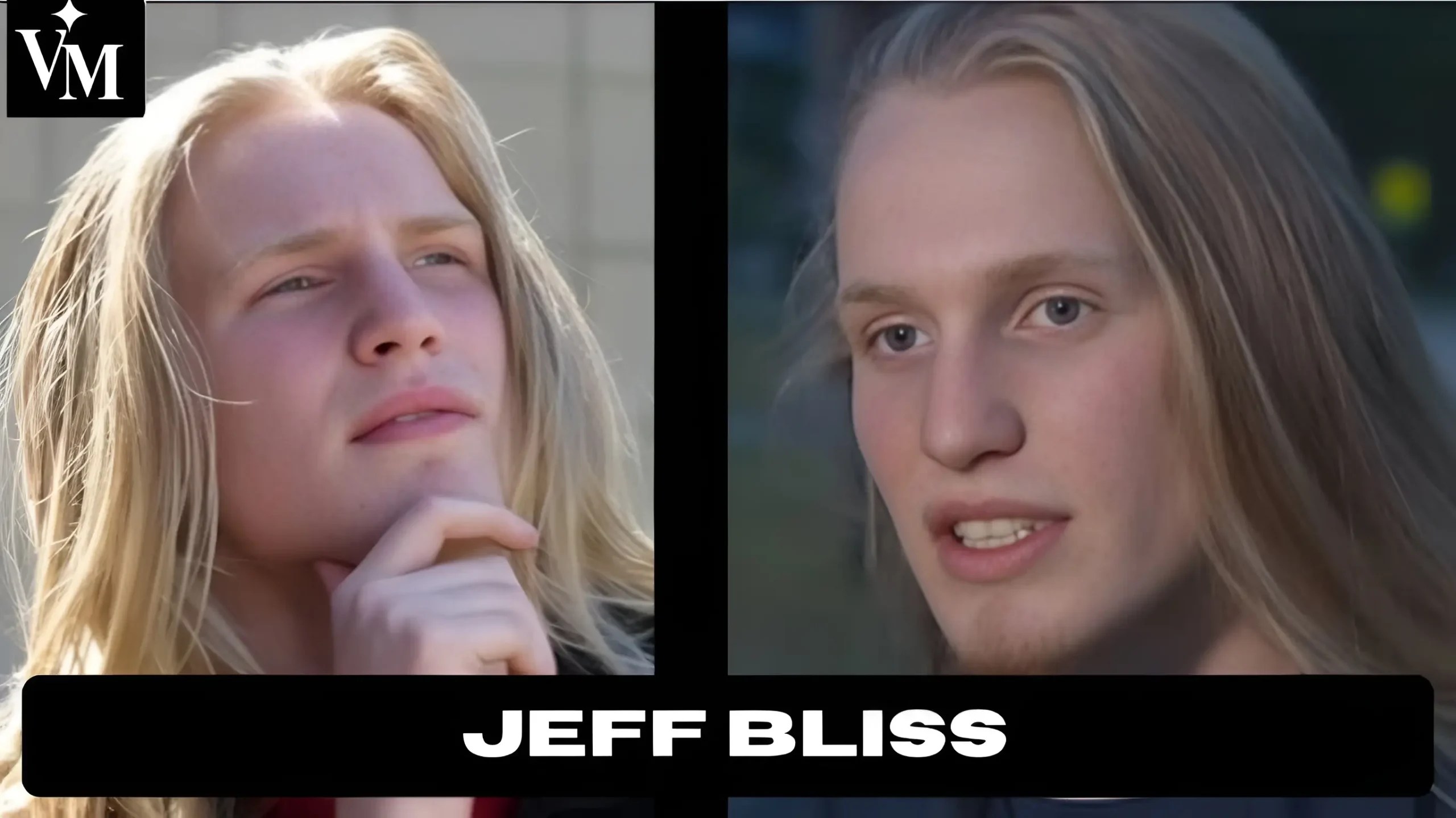
The education system has long been criticized for its one-size-fits-all approach to learning, where students are expected to passively absorb information from traditional lectures and standardized testing. However, one individual has become a powerful voice challenging this conventional wisdom and advocating for a more student-centered, engaging educational experience. Jeff Bliss represents a modern movement within education that prioritizes student agency, authentic learning, and meaningful teacher-student relationships. His influence extends far beyond a single classroom or institution, touching the hearts and minds of educators, students, and parents worldwide who believe that education can and should be better.
Understanding Jeff Bliss and his contributions to educational discourse provides valuable insights into the evolving nature of modern education, the importance of student voice, and the transformative power of challenging outdated pedagogical practices. This comprehensive exploration examines his background, his pivotal moments, his educational philosophy, and the lasting impact he has had on educational reform and student empowerment.
Who Is Jeff Bliss? Understanding the Education Advocate Behind the Movement
Jeff Bliss first gained widespread recognition not through academic credentials alone, but through his courageous decision to publicly challenge ineffective teaching methods. His story resonates with millions because it represents something deeply authentic—a student’s genuine cry for better, more meaningful education. Rather than silently accepting an educational experience that failed to engage him, he chose to speak up, sparking conversations that would eventually reach millions of people across social media, news outlets, and educational institutions.
What makes Jeff Bliss particularly significant is that he didn’t simply complain about problems; he became actively involved in proposing solutions. His journey from frustrated student to education advocate demonstrates the power of individual action and the importance of listening to student voices in educational reform discussions. He recognized that teachers are often overworked and underfunded, yet he also emphasized that these systemic challenges cannot serve as excuses for failing to engage students meaningfully in their own learning processes.
His background shaped his perspective on education. Like many students, he experienced firsthand the disconnection between classroom instruction and real-world application. However, rather than accepting this as inevitable, he questioned the underlying assumptions that drive educational practice. This critical perspective, combined with genuine respect for the teaching profession, positioned him as a thoughtful voice in education reform conversations.
The Viral Moment That Changed Everything: Context and Significance
In 2013, Jeff Bliss’s candid confrontation with his high school teacher became viral, viewed by millions online. The video showed him respectfully but firmly challenging his teacher’s approach to instruction, arguing that students need more than worksheets and passive learning experiences. He advocated for teaching methods that develop critical thinking, foster creativity, and help students understand the relevance of what they’re learning.
What’s crucial to understand about this moment is that it wasn’t disrespectful or inflammatory. Instead, it demonstrated mature communication skills and genuine concern for educational quality. Bliss articulated what many students feel but rarely voice so clearly: that education should inspire, challenge, and prepare students for meaningful contribution to society, not simply prepare them for standardized tests.
The viral nature of this confrontation revealed something important about the broader educational landscape. The fact that millions of people related to his message indicated widespread dissatisfaction with conventional education practices. Parents, educators, and students across diverse communities saw their own experiences reflected in his words. This mass resonance suggested that the problems he identified were systemic, not isolated incidents.
The Ripple Effects
The viral moment served as a catalyst for several important developments:
- Increased conversation about teaching methods – Schools and districts began reevaluating their instructional approaches
- Greater emphasis on student voice – Educational leaders started actively seeking student input on curriculum and pedagogy
- Teacher support movements – The incident sparked important discussions about supporting teachers while improving educational quality
- Educational innovation – Schools became more willing to experiment with alternative teaching methods and learning environments
Jeff Bliss’s Educational Philosophy: Core Principles and Values
Beyond the viral moment, Jeff Bliss has consistently advocated for several core educational principles that reflect a deep understanding of how people learn and grow.
Student-Centered Learning
At the heart of Bliss’s philosophy is the belief that students must be active participants in their own learning journeys, not passive recipients of information. He advocates for classrooms where students engage in meaningful projects, solve real-world problems, and take ownership of their educational progress. This approach aligns with decades of cognitive science research demonstrating that active engagement dramatically improves retention, understanding, and application of knowledge.
Student-centered learning doesn’t mean eliminating teacher guidance or instruction. Rather, it means reorienting the teacher’s role from sole authority and information source to facilitator, mentor, and guide. Teachers who embrace this philosophy create learning environments where students feel safe asking questions, making mistakes, and developing the resilience necessary for genuine intellectual growth.
Relevance and Real-World Application
Jeff Bliss consistently emphasizes that students need to understand why they’re learning something. Abstract knowledge divorced from practical application fails to engage most learners and contributes to the perception that education is irrelevant to real life. His philosophy calls for curriculum design that connects academic content to authentic problems and situations students encounter or will encounter.
When students understand the relevance of their learning, engagement increases, motivation improves, and retention becomes more durable. This principle has been validated repeatedly in educational research, yet many traditional classrooms still present information without adequately addressing the “why” question that drives student motivation.
Building Meaningful Relationships
The quality of the teacher-student relationship fundamentally influences educational outcomes. Bliss advocates for educational environments where teachers know their students as individuals, understand their challenges and aspirations, and demonstrate genuine care for their success. These relationships create the foundation of trust necessary for effective learning.
In an era where class sizes have grown and standardized testing demands have increased, maintaining meaningful relationships between teachers and students has become more challenging. Yet Bliss’s philosophy suggests this is precisely when such relationships become more essential, not less. Teachers who invest in knowing their students create protective factors against disengagement and provide the emotional support students need to persist through academic challenges.
Teacher Respect and Support
An important but sometimes overlooked aspect of Bliss’s message is his respect for teachers as professionals. His criticism was directed at ineffective practices and systemic failures, not at teachers as individuals. He recognizes that many teachers enter the profession with tremendous passion and dedication, only to find their efforts constrained by bureaucratic requirements, insufficient resources, and overwhelming class sizes.
This nuanced perspective—simultaneously advocating for better teaching practices while acknowledging the challenges teachers face—demonstrates mature thinking about educational reform. It rejects the false choice between supporting teachers and demanding educational excellence, instead insisting that both are essential and interdependent.
Impact on Educational Reform and Student Empowerment
Jeff Bliss’s influence on educational reform extends across multiple dimensions of educational practice and policy.
Legitimizing Student Voice
Perhaps most significantly, Bliss helped legitimate the value of student voice in educational discussions. Traditionally, education policy and practice have been determined primarily by educators, administrators, policymakers, and researchers. While their expertise is valuable, the people most affected by educational decisions—students themselves—have been largely excluded from these conversations.
Bliss’s prominence has contributed to a broader recognition that students possess genuine expertise about learning and educational quality. Schools increasingly involve students in curriculum development, instructional planning, and school improvement initiatives. This shift acknowledges an important truth: students spend thousands of hours in classrooms and accumulate valuable observations about what works and what doesn’t.
Inspiring Alternative Teaching Methods
The attention surrounding Bliss’s educational philosophy has contributed to increased adoption of student-centered teaching approaches. Schools have expanded project-based learning, competency-based assessment, interdisciplinary curriculum design, and other innovative practices that align with the principles he advocates. While educational change occurs slowly and unevenly, the cultural shift toward questioning traditional practices and experimenting with alternatives has accelerated significantly.
Shaping Educational Entrepreneurship
Bliss’s ideas have also influenced educational entrepreneurs and innovators who have developed new schools, learning platforms, and educational programs based on student-centered principles. These ventures demonstrate that there is substantial demand from students, parents, and communities for educational alternatives that prioritize engagement, relevance, and meaningful learning.
Advocating for Policy Change
Through his continued work in education advocacy, Bliss has contributed to policy conversations about how educational systems can better serve students. His voice has been particularly valuable in arguing against over-reliance on standardized testing, advocating for curriculum flexibility, and promoting teacher autonomy and professionalism. While systemic change in education occurs incrementally, his advocacy has helped shift the policy landscape in directions that prioritize student growth and engagement.
Case Studies: Real-World Applications of Student-Centered Principles
Case Study 1: The Transformed Urban High School
A large urban high school with historically low graduation rates and student engagement implemented a comprehensive redesign based on student-centered principles. The school introduced project-based learning units where students collaborated on addressing real community challenges. For example, one project had students researching local environmental issues, interviewing stakeholders, and proposing evidence-based solutions.
Results included a 12% increase in graduation rates over three years, improved attendance, higher student-reported engagement, and better performance on standardized assessments. Teachers reported greater job satisfaction despite increased initial demands of curriculum redesign. Students demonstrated stronger critical thinking skills and greater ability to articulate connections between academic content and real-world applications.
Case Study 2: The Charter School Experiment
A charter school built entirely around student-centered learning principles created flexible schedules, project-based curricula, and extensive student choice in their learning pathways. Students worked on internships with local organizations, designed independent research projects, and engaged in peer teaching. The school emphasized individual growth and mastery over standardized benchmarks.
Graduates of this program reported higher levels of college persistence and completion compared to peers from traditional high schools. They demonstrated stronger self-directed learning skills, greater comfort with ambiguity, and better ability to work collaboratively. Many attributed these outcomes directly to their educational experience, particularly the autonomy and relevance of their learning experiences.
Case Study 3: The Rural District Implementation
A rural school district serving a community facing economic challenges implemented elements of student-centered pedagogy adapted to their context. Teachers incorporated local history, agricultural practices, and community knowledge into curriculum. Students worked on real projects addressing local needs—water quality monitoring, agricultural innovation, community economic development.
This approach reconnected students to their community context, reducing the perception that meaningful education required leaving their rural home. Retention improved, as did student engagement and academic achievement. Importantly, this case demonstrates that student-centered principles can be effectively adapted to diverse contexts and communities.
Case Study 4: The Corporate Learning Application
Recognition that the principles behind student-centered education apply beyond K-12 led some corporations to redesign employee training and development. Companies implementing these principles—emphasizing employee choice, project-based learning, relevance to actual work challenges, and meaningful relationships between mentors and learners—reported improved skill development, better retention, and higher employee satisfaction.
This expansion of student-centered principles into adult learning contexts validates their fundamental soundness and broad applicability.
Addressing Challenges and Criticisms
While student-centered education has considerable merit, implementation presents real challenges that deserve honest consideration.
Resource Constraints
Implementing student-centered approaches often requires more resources than traditional models—smaller class sizes, teacher professional development, learning materials, technology infrastructure, and time for planning and collaboration. Many schools, particularly those serving disadvantaged communities, struggle with such investments despite having the greatest need for educational improvement.
Transition Challenges
Teachers trained in traditional pedagogy may struggle initially with student-centered approaches. The transition requires sustained professional development, supportive leadership, and patience with the learning curve. Some teachers experience vulnerability moving from the role of sole authority to facilitator, even when they intellectually embrace the value of the approach.
Assessment and Accountability
Traditional standardized testing doesn’t adequately capture learning in student-centered environments. This creates tension with accountability systems that rely on such measures. Schools must develop sophisticated assessment strategies that document student growth, skill development, and deeper learning—a challenge given current policy frameworks.
Equity Concerns
Student-centered approaches that emphasize choice and independence can actually disadvantage students with fewer resources and support systems outside school. These students may need more structure and explicit instruction, not less. Effective implementation requires careful attention to ensuring that student-centered approaches actually serve all students equitably.
Jeff Bliss and other advocates acknowledge these challenges while arguing that they require policy and resource solutions, not abandonment of the principles themselves.
The Role of Technology in Student-Centered Learning
Modern educational technology has become an important tool for enabling student-centered approaches at scale. Learning management systems, digital collaboration tools, and adaptive learning platforms allow for personalization, student tracking of progress, and flexible learning pathways.
However, technology alone doesn’t create student-centered learning. In fact, technology poorly implemented can reinforce passive, isolated learning experiences. The most effective integration of technology in student-centered education uses digital tools to facilitate collaboration, enable authentic projects, provide immediate feedback, and expand access to resources—always in service of deeper learning goals rather than as an end in itself.
Jeff Bliss’s philosophy doesn’t depend on technology, though technology can enhance its implementation. The fundamental principles—meaningful engagement, authentic relationships, relevant learning, and student agency—work with or without digital tools.
Future Directions: The Evolution of Student-Centered Education
As education continues evolving, several trends align with the principles Jeff Bliss advocates:
Personalized Learning Pathways – Schools increasingly offer students greater choice in what, how, and when they learn, recognizing that different students have different needs, interests, and learning styles. This movement toward personalization reflects the student-centered principle that education should adapt to students rather than forcing students to adapt to uniform educational structures.
Competency-Based Progression – Many schools are shifting from age-based grade levels to competency-based advancement, where students progress upon demonstrating mastery regardless of time spent. This approach aligns with student-centered principles by focusing on actual learning rather than seat time.
Community-School Integration – Progressive schools increasingly position themselves as community hubs and partners, bringing community resources and expertise into educational experiences. This integration makes learning more relevant while strengthening community bonds.
Educator Autonomy – Recognition that teacher professionalism requires trusting educators’ judgment about instructional methods is growing. Rather than scripted curricula and external mandates about how to teach, more schools are granting teachers professional autonomy within clear learning objectives. This autonomy makes teaching more fulfilling and often results in better educational outcomes.
Social-Emotional Learning Integration – The importance of students developing resilience, interpersonal skills, emotional regulation, and other non-academic competencies has gained recognition. Student-centered approaches naturally integrate these dimensions by emphasizing relationships, challenge, and personal growth alongside academic content.
Frequently Asked Questions
Q: Is student-centered education just letting students do whatever they want?
A: No. Student-centered education is actually highly structured, but the structure supports student agency and meaningful learning rather than constraining it. Teachers set clear learning objectives, create challenging projects, provide feedback, and guide student learning. The difference is that students have voice in how they demonstrate learning and teachers adapt instruction based on student needs and interests. The freedom and structure work together.
Q: Won’t students fall behind academically without traditional instruction?
A: Research consistently shows that students in well-implemented student-centered environments perform as well or better on standardized assessments than peers in traditional classrooms, while also developing stronger critical thinking, collaboration, and problem-solving skills. The key is implementation quality—poorly done student-centered learning is ineffective, but so is poorly done traditional instruction.
Q: What about students who need more structure and support?
A: Student-centered approaches can include varying levels of structure and support. Some students benefit from explicit instruction before working independently. Effective student-centered teachers differentiate by providing different amounts and types of scaffolding based on individual needs. Structure and student-centeredness aren’t opposites.
Q: How do teachers assess learning in student-centered environments?
A: Assessment expands beyond traditional tests to include portfolios, presentations, peer and self-assessment, performance tasks, and demonstrations of learning. These varied assessment methods often provide richer information about student learning than standardized tests alone. They also help students develop metacognitive skills and take responsibility for their learning.
Q: Doesn’t this approach disadvantage lower-income students?
A: This is a legitimate concern. Students with fewer resources outside school and less access to enrichment experiences can be disadvantaged by student-centered approaches that assume significant background knowledge or independent learning capacity. However, the solution is to implement student-centered approaches equitably—providing additional support, scaffolding, and resources to ensure all students can access meaningful learning experiences.
Q: How has Jeff Bliss contributed to this movement?
A: Bliss has been instrumental in legitimizing student voice in educational conversations, demonstrating that critique of current practices doesn’t mean disrespecting teachers, and clearly articulating why student-centered education matters. His prominent platform has brought these conversations to broader audiences and helped shift cultural attitudes about education.
Q: Can traditional schools implement student-centered approaches?
A: Yes. While systemic barriers exist, teachers in traditional schools can incorporate elements of student-centered learning—projects, student choice, real-world connections, relationship building. Many schools are successfully implementing student-centered practices within traditional structures, though systemic support accelerates change.
Q: What professional development do teachers need?
A: Effective implementation requires sustained professional development in student-centered pedagogy, facilitation skills, and assessment methods. Teachers also benefit from collaborative time to plan, observe peers, and reflect on practice. Professional development is most effective when it’s ongoing, collaborative, and supported by leadership.
Q: How do parents support student-centered learning at home?
A: Parents can ask students about their learning, encourage them to make connections between school and home, support their projects and interests, and maintain high expectations while understanding that learning sometimes looks different than traditional homework. Parent-school communication about learning goals and approaches is important.
Q: What about preparing students for college and careers?
A: Student-centered education actually prepares students well for both. College success requires independent learning skills, ability to work collaboratively, and capacity for complex thinking—all developed through student-centered approaches. Employers consistently identify collaboration, communication, problem-solving, and adaptability as critical skills, all strengthened by student-centered learning.
Conclusion: The Enduring Legacy of Educational Advocacy
Jeff Bliss emerged as a significant voice in education not through traditional channels of academic research or institutional authority, but through authentic student perspective and genuine advocacy for educational improvement. His journey from frustrated student to education influencer demonstrates the power of speaking truth respectfully and persistently advocating for what matters.
The principles he represents—that students deserve meaningful, engaging, relevant education; that teachers should be trusted professionals; that education should develop critical thinking and capability alongside content knowledge; and that student voice matters in educational conversations—have increasingly shaped educational practice and policy across diverse contexts.
While challenges remain in implementing student-centered education at scale, and while legitimate critiques about equity and transition exist, the direction of educational evolution seems clear. Education that respects students, engages them in authentic learning, and positions them as agents in their own development produces better outcomes and more fulfilling educational experiences than approaches that treat students as passive recipients of information.
Jeff Bliss’s enduring contribution has been to give voice to what students themselves know—that education can and should be better. In doing so, he has helped catalyze a movement toward educational practices that honor both student potential and human learning science. As education continues evolving, his influence will likely continue shaping conversations about how schools can better serve all students and prepare them for meaningful, productive lives.
The education system owes much to individuals like Jeff Bliss who challenge conventional wisdom, speak for those typically unheard, and insist that education fulfill its true promise: developing human potential and preparing people to contribute to their communities and the world.
For More Visits: Value Magazine

