



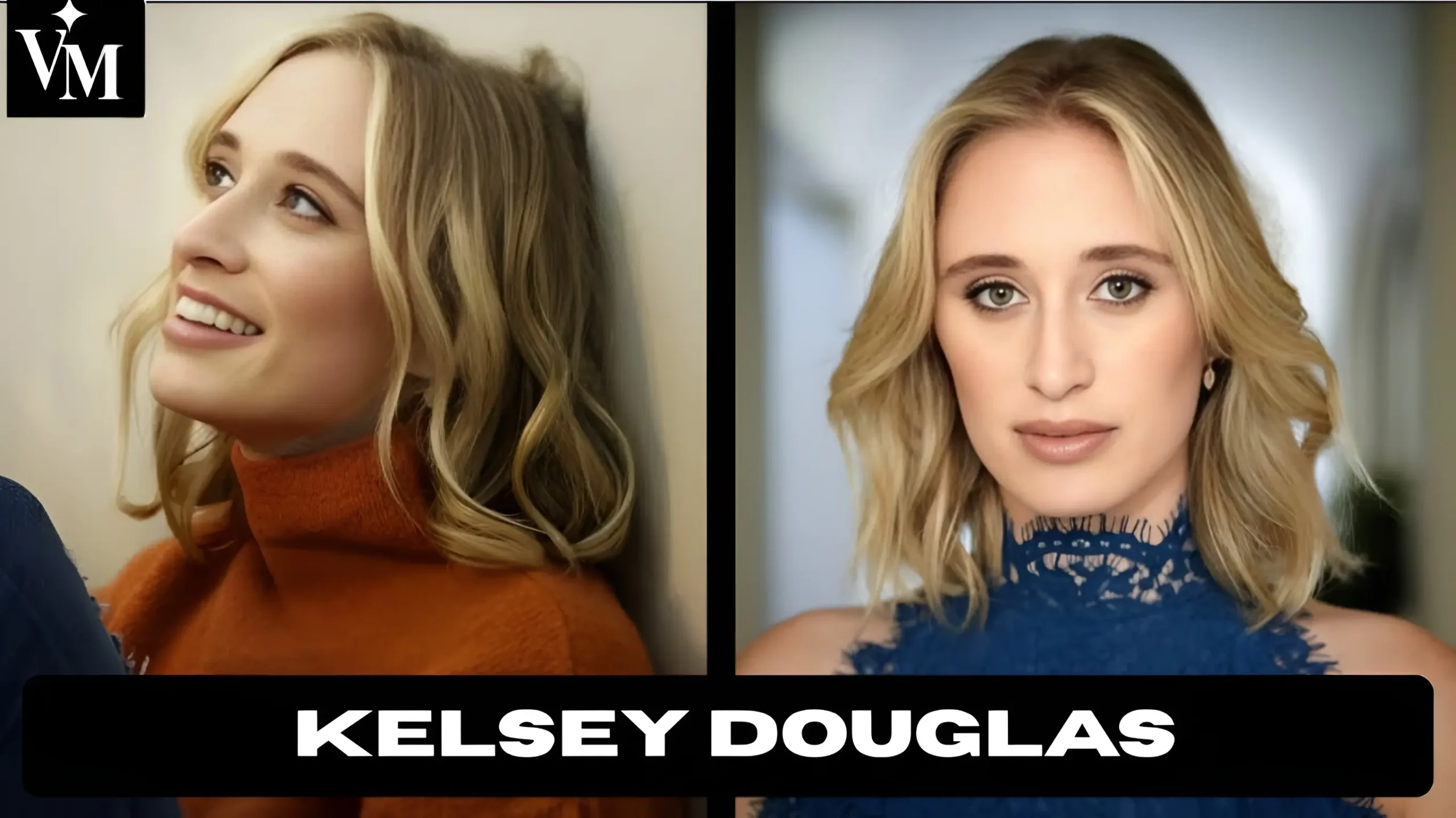
Kelsey Douglas represents a distinctive voice in contemporary entertainment—an artist who refuses to be confined by conventional industry categorizations. As an actress, writer, and filmmaker, she embodies the modern creative professional who moves fluidly between performance, production, and behind-the-scenes collaboration. Her trajectory through independent cinema, television, and production roles reveals the complex reality of building a sustainable career in an industry that demands adaptability, persistence, and an authentic creative vision.
The entertainment landscape has transformed dramatically over the past decade, creating space for multidisciplinary artists who bring diverse skill sets to storytelling. Kelsey Douglas exemplifies this evolution. Rather than climbing a single ladder toward stardom, she has constructed a portfolio that demonstrates mastery across multiple creative domains—not as a compromise, but as a deliberate artistic strategy that gives her greater control over her narratives and projects.
Building a Foundation: Early Career and Performance Trajectory
Kelsey Douglas’s professional identity emerged from genuine passion for storytelling rather than pursuit of celebrity status. Her early work established her as a serious performer capable of bringing depth and authenticity to character-driven narratives. The foundation she built during these formative years would eventually support her expansion into producing, writing, and directing work—but first came the essential work of learning her craft through performance.
Her recognition for the role of Delia in the 2020 comedy film “1 Night in San Diego” marked a pivotal moment in her professional visibility. This wasn’t a breakthrough role in the traditional sense of suddenly vaulting her to mainstream fame, but rather an important recognition of her skill as a performer. The film showcased her ability to carry comedic timing, work within ensemble casts, and create memorable characters that resonate with audiences. Comedy, particularly in independent film, demands a specific combination of skills—precision timing, emotional authenticity, and the willingness to be vulnerable on screen.
The path to that recognition, however, included numerous smaller roles that built her credibility within industry circles. Her appearance in “Sister Shit” (2017) and “Bombora” (2019) demonstrated her commitment to independent film—the spaces where many of today’s most innovative filmmakers cut their teeth and develop their unique aesthetic and narrative voices. These weren’t major studio productions with massive marketing budgets, but rather projects driven by creative vision and collaborative energy. Working in this space requires different skills than conventional Hollywood productions: resourcefulness, creative problem-solving, the ability to work with limited resources, and genuine commitment to the storytelling itself rather than compensation or prestige.
Television work further broadened her performance range. Her participation in “The Block” (2022) positioned her within a different narrative framework—one that demands sustained character development, collaboration with ensemble casts across multiple episodes, and the technical demands of sustained performance over extended shooting schedules. Each of these experiences—film, television, independent, and more conventional productions—contributed to her development as a complete performer.
The Dual Career: From Performance to Production
What distinguishes Kelsey Douglas from many performers is her deliberate transition into production work. This shift represents a strategic understanding of power dynamics within the entertainment industry. Actors are hired to fulfill other people’s visions; producers and writers shape the visions themselves. By developing expertise in craft services and production roles, Kelsey Douglas positioned herself not merely as a performer available for hire, but as a professional who understands the full ecosystem of filmmaking.
Craft services might seem peripheral to the actual creative work—the provision of food, beverages, and workspace necessities that keep film sets functioning. Yet experienced production professionals understand that craft services coordinators are essential infrastructure. They manage the day-to-day operations that free directors, cinematographers, and actors to focus on their creative work. The relationships built in craft services positions reveal crucial insights into production management, budgeting, scheduling, and the interpersonal dynamics that determine whether a set functions smoothly or devolves into chaos.
Her work in various production roles extended this understanding further. Whether managing logistics, coordinating schedules, or handling the thousand operational details that transform scripts into finished films, each position provided direct insight into how professional productions actually function. This knowledge base becomes invaluable when an artist begins to develop their own projects or offer creative feedback to productions they’re involved in.
This combination—genuine acting ability combined with production expertise—creates a professional profile increasingly valuable in the contemporary entertainment landscape. Filmmakers who understand production logistics can be more realistic about budgets and timelines. Actors who understand production challenges can be more collaborative and resourceful on set. Writers who have worked in production understand the practical constraints that shape what can actually be filmed versus what remains beautiful in theory only.
Notable Roles and Character Work
The roles Kelsey Douglas has chosen reveal deliberate artistic selection. Rather than accepting every available part, she has cultivated an image as an actress who takes on character-driven work that offers genuine creative challenge. This selectivity matters—it demonstrates that she approaches her craft with intention rather than desperation, and it creates a professional reputation that attracts better projects over time.
Her comedic work, particularly in “1 Night in San Diego,” showcased her ability to navigate the specific demands of ensemble comedy. This film genre requires actors to serve the narrative and the ensemble rather than attempting to dominate scenes. The skills involved—recognizing when to step back, supporting other performers, knowing how to land comedic beats without over-performing—are often underestimated but absolutely essential to creating genuinely funny content. Comedy is frequently the most difficult performance work because there’s nowhere to hide; jokes either land or they don’t, and there’s little margin for technical performance tricks to compensate for weak execution.
Her diverse filmography across multiple genres and production scales demonstrates range. Independent films often demand that performers wear multiple hats—perhaps providing their own costume pieces, understanding the technical requirements of low-budget cinematography, or helping solve production problems creatively. Television work requires different skills again: sustained performance across longer narrative arcs, collaboration with permanent ensemble casts over extended periods, and the technical demands of hitting marks and sustaining takes while cameras capture performances from multiple angles simultaneously.
This diversity of experience creates depth in her performances. An actor who has only worked in major studio productions might struggle with the intimate work demanded by independent film. An actor with only independent film experience might feel overwhelmed by the technical apparatus of television production. Kelsey Douglas’s experience across these contexts makes her a more adaptable, confident performer capable of bringing authenticity to varied projects.
Expanding Creative Control: Writing and Production Development
The contemporary entertainment industry increasingly recognizes that the most successful creative careers are built on diversified control. This doesn’t mean every actor needs to direct, or every director needs to act, but it does mean that creative professionals who develop expertise across multiple disciplines have more agency in their careers.
Kelsey Douglas’s identity as a writer represents this expansion. Writing is perhaps the most democratizing aspect of modern filmmaking—it’s the one discipline for which you don’t necessarily need access to expensive equipment, established industry connections, or permission from gatekeepers. A screenplay exists entirely in language; it can be written anywhere, by anyone, and then circulated to people who have resources to potentially bring it to screen. For artists in the entertainment industry, writing offers a path to authorship that doesn’t depend on being selected by directors or producers.
Her producer credit signals another form of expanded agency. Producers come in many varieties—some are primarily financiers, some are primarily creative collaborators, some manage logistics and operations. The specific nature of Kelsey Douglas’s producer involvement isn’t central to understanding her career trajectory; what matters is that she has moved beyond waiting for opportunities to helping create them.
This progression mirrors a pattern increasingly common among successful contemporary creatives. The entertainment industry traditionally offered two paths: become established enough that major productions seek you out, or take whatever work you can find and hope for that opportunity to arrive. An increasingly visible third path involves building your own projects, controlling your own narrative, and using multiple disciplines to create sustainable creative careers that don’t depend on the capriciousness of mainstream casting decisions or the arbitrary attention of industry gatekeepers.
Professional Ecosystem and Industry Presence
Kelsey Douglas’s presence on platforms like Backstage—a professional crew and casting directory—reflects how contemporary performers maintain industry visibility and access to opportunities. These platforms function as permanent portfolios where professionals can maintain updated information about themselves, showcase their work, and receive inquiries from casting directors and producers seeking performers with specific skill sets.
The maintenance of a professional portfolio, particularly across multiple platforms and formats, requires genuine commitment to one’s career. It means regularly updating materials, ensuring that headshots, reels, and biographical information accurately reflect current capabilities and experience, and maintaining visibility in professional networks. For performers who are also developing work behind the scenes, this professional infrastructure becomes even more important—potential collaborators need to be able to quickly access information about your multifaceted capabilities.
The decision to develop a public professional presence in specialized industry directories also indicates confidence in one’s work and direction. It’s a statement that you’re actively available for appropriate opportunities, that you take your career seriously, and that you’re comfortable with the level of visibility that comes with professional engagement in competitive entertainment spaces.
The Independent Film Ecosystem and Creative Freedom
The independent film movement has long offered artists something that mainstream production often cannot: creative control. When budgets are smaller and production companies aren’t corporate entities answering to shareholders, there’s often more space for creative risk-taking, experimental narratives, and stories that don’t fit conventional genre categories.
Kelsey Douglas’s consistent engagement with independent film—through “Sister Shit,” “Bombora,” and her ongoing involvement in production on independent projects—reflects a choice about the kind of creative work she values. Independent films often take longer to complete, pay less, and involve more creative uncertainty than studio productions. Actors don’t choose this work primarily for financial benefit or mainstream visibility; they choose it because they value the creative opportunity, the chance to work with directors and writers pursuing distinctive visions, and the collaborative energy of smaller-scale productions.
This commitment to independent cinema carries professional implications. It signals that Kelsey Douglas makes creative choices based on artistic merit rather than commercial calculation. It means she’s willing to invest in projects that might not result in mainstream visibility but that interest her creatively. Over time, this reputation—of being someone committed to genuine creative work rather than career advancement at any cost—attracts collaborators with similar values. These relationships often lead to ongoing collaboration, recommendation networks, and the kind of professional ecosystem where meaningful creative work gets developed.
Navigating Industry Challenges and Opportunities
The entertainment industry remains structurally challenging for performers, particularly those who don’t fit narrow commercial formulas or who refuse to compromise their creative vision for financial opportunity. Kelsey Douglas’s strategy of building diverse credentials—performer, writer, producer, crew member—represents a practical response to these structural challenges.
By developing expertise across multiple disciplines, she’s created professional flexibility. If acting work slows, production work provides opportunity. If she’s not getting cast in projects she wants to be in, she can help create projects worth being in. If financial circumstances require non-creative work to sustain her career and life, her production expertise provides options that remain within her creative industry rather than requiring her to take completely unrelated jobs.
This diversification also changes the psychological experience of a creative career. Rather than constantly waiting to be chosen, constantly hoping that someone with resources will decide you’re right for their project, you develop agency. You can create opportunities rather than waiting for them. This shift is profound—it moves you from a position of dependence to a position of capability.
INTEGRATED CASE STUDIES
Case Study 1: The Supporting Role That Built Professional Credibility
Consider the position of a performer emerging in the contemporary entertainment landscape, talented but without major studio backing or family connections within the industry. The conventional wisdom suggests focusing exclusively on landing major roles, networking at industry events, and positioning yourself for breakthrough opportunities.
Kelsey Douglas’s approach demonstrates an alternative path. By accepting diverse roles across independent films—including smaller supporting parts—she built a portfolio that attracted serious collaborators. The role of Delia in “1 Night in San Diego” wasn’t necessarily larger than many other roles she’s played, but it was specifically an opportunity to work in ensemble comedy alongside other skilled performers, directed by someone with a clear vision for the project’s tone and narrative.
This role worked in her professional development because she approached it with full commitment—not as a stepping stone to something bigger, but as an opportunity to practice her craft in a context where she could learn and develop. The experience made her a better performer, added material to her professional reel, and connected her with collaborators she might work with again or who might recommend her to other projects. Within the independent film ecosystem, this is how professional momentum actually builds—through consistent quality work, reputation for collaboration, and genuine commitment to the creative projects you’re involved in.
For emerging performers, the lesson is clear: smaller roles in well-executed productions can be more valuable than larger roles in mediocre projects. The quality of collaborators, the director’s vision, and the potential to work at the edge of your current capabilities matter more than size of role or expected visibility.
Case Study 2: Production Expertise as Artistic Foundation
Consider a performer who reaches a point where they want to develop their own projects—to move from being cast in other people’s stories to creating stories of their own. What knowledge do they need?
Kelsey Douglas’s work in craft services and various production roles provided this foundation. She understands, directly through experience, what budgets actually support, what timelines are realistic, what the day-to-day reality of set operations looks like, and how decisions made in pre-production ripple through the entire filmmaking process.
This knowledge transforms her capabilities as a producer and writer. Rather than having romantic notions about filmmaking divorced from practical reality, she understands the constraints, the trade-offs, and the ways that creative visions must be adapted to fit material circumstances. She can communicate effectively with crew members because she’s done crew work. She can make realistic budgets because she understands what production actually costs. She can build schedules that are genuinely achievable rather than theoretical fantasies.
For creative professionals aiming to develop their own work, this model is instructive: investing time in understanding the full infrastructure of your industry, not just the visible creative roles, provides genuine strategic advantage. It makes you more effective at the creative work you ultimately want to do, and it provides fallback income and professional stability while you develop those bigger projects.
Case Study 3: Reputation and Long-Term Career Building
Consider the accumulation of professional experiences and relationships over time. An actor working consistently in independent film, television, production roles, and emerging production projects isn’t building a traditional résumé that looks impressive on a single page. Instead, she’s building a reputation within professional networks—the specific people, collaborators, and colleagues who have worked with her directly and developed opinions about her reliability, creativity, and collaborative approach.
These professional relationships form the foundation of sustainable creative careers. Directors who have worked with Kelsey Douglas and enjoyed the collaboration might hire her for future projects. Other actors she’s worked with might recommend her for casting opportunities. Producers she’s worked with in craft services or production roles might think of her when developing projects that need a specific type of performer or creative collaborator.
This form of professional network, built through years of consistent work within the industry, is frequently more valuable than any single major role or media visibility. It’s the difference between being famous (which is often temporary and unreliable as a foundation for career) and being professionally established within your specific creative community (which provides consistent opportunities).
FREQUENTLY ASKED QUESTIONS
Q1: What are Kelsey Douglas’s most well-known roles?
Kelsey Douglas is perhaps best recognized for her role as Delia in the 2020 film “1 Night in San Diego,” a comedy that showcased her abilities in ensemble work and comedic timing. Beyond this, her notable credits include appearances in “Sister Shit” (2017) and “Bombora” (2019). Her television experience includes “The Block” (2022). What distinguishes her filmography is its diversity across independent and conventional productions, demonstrating range as a performer and deliberate artistic choice-making.
Q2: Beyond acting, what other roles does Kelsey Douglas have in the entertainment industry?
Kelsey Douglas works as a writer and producer, actively developing her own creative projects while continuing performance work. Additionally, she has professional experience in craft services and various production roles—positions that provide both income stability and direct insight into how film and television productions operate. This multidisciplinary approach is increasingly common among successful contemporary creatives.
Q3: How did Kelsey Douglas build her career without mainstream studio backing?
Her career developed through consistent engagement with independent film, television opportunities, and production work. By focusing on quality of creative work rather than size of roles or commercial calculation, she built professional relationships and reputation within industry networks. Her presence on professional platforms like Backstage maintains ongoing visibility for casting and collaboration opportunities. This represents the contemporary path for many creative professionals—building through consistent quality work and professional networks rather than waiting for breakthrough opportunities from major studios.
Q4: What is the significance of her work in production and craft services?
Production experience provides multifaceted benefits: it offers income stability, provides direct knowledge of how productions function, creates professional relationships across different crew positions, and positions her more effectively as a producer and developer of her own projects. Many successful filmmakers and actors credit production experience as essential to understanding the craft of filmmaking beyond just their specific role.
Q5: How does her writing work fit into her overall creative identity?
Writing represents an expansion of creative control. Rather than waiting to be cast in projects, she can develop stories and creative work that align with her artistic vision. Writing provides a path to authorship independent of whether she ultimately performs in what she creates. For many contemporary creatives, developing writing skills is strategic—it ensures you’re not entirely dependent on being selected by others for work.
Q6: What kind of productions does Kelsey Douglas choose to participate in?
Her consistent engagement with independent film suggests she values creative freedom and artistic collaboration over mainstream commercial calculation. Independent productions often offer more creative control and risk-taking space than studio films, though typically with smaller budgets and less mainstream visibility. Her choices indicate that artistic merit and creative opportunity take priority in her decision-making.
Q7: How does Kelsey Douglas maintain professional visibility in a competitive industry?
Through platforms like Backstage and active engagement in production work, she maintains professional presence and accessibility to industry professionals seeking collaborators. Regular updates to professional materials, continued work on both performance and production projects, and presence within professional networks ensures her availability for appropriate opportunities.
Q8: What career lessons can emerging performers learn from Kelsey Douglas’s trajectory?
Several key lessons emerge: diversifying skills and experience creates career resilience; smaller roles in quality productions can be more valuable than larger roles in mediocre work; understanding the full infrastructure of your industry provides strategic advantage; building professional relationships through consistent quality work creates sustainable career foundation; and developing authorship through writing or production positions provides more control than performance alone.
Q9: How does television work differ from film work in her portfolio?
Television productions demand different performance skills than films—sustained character development across multiple episodes, collaboration with permanent ensemble casts, technical precision across multiple takes and camera angles, and the ability to maintain performance quality across extended shooting schedules. Her television work complements her film experience by developing different performance capabilities.
Q10: What does the future likely hold for Kelsey Douglas’s creative trajectory?
Given her multidisciplinary development and deliberate artistic choices, her trajectory likely continues expanding production and writing work alongside continued performance opportunities. Many performers with similar profiles eventually transition toward directing, producing, or developing their own projects as their primary creative focus. Her foundation positions her for leadership roles in projects she’s passionate about rather than continued reliance on being cast in others’ work.
Q11: How does Kelsey Douglas represent broader shifts in entertainment industry careers?
Her career exemplifies the contemporary reality that sustainable creative careers increasingly require multidisciplinary expertise. The traditional model—find an agent, get cast in increasingly larger roles, eventually become famous—remains possible but increasingly uncertain. A diversified approach building expertise across performance, writing, and production provides more resilience and control. This shift reflects both industry changes and the democratization of filmmaking technology and platforms.
Q12: What professional networks and communities does Kelsey Douglas engage with?
Through her presence on professional platforms, engagement with independent film communities, work within production roles, and collaborations across multiple projects, she maintains active professional networks. These relationships—built through consistent quality work and reliable collaboration—form the foundation for ongoing creative opportunities and professional development. The specific relationships built within creative communities often matter more than mainstream visibility for long-term career sustainability.
CONCLUSION
Kelsey Douglas represents a particular kind of professional success in contemporary entertainment—one built on authenticity, multidisciplinary development, and commitment to creative work rather than commercial calculation. Her trajectory from emerging performer through established actress to producer and writer demonstrates that sustainable creative careers increasingly require diversified expertise and agency.
The entertainment industry remains structurally challenging for creatives at all levels, but particularly for those without family connections, inherited wealth, or early mainstream success. Kelsey Douglas’s response to these structural challenges—developing skills across performance, production, and writing—offers a practical model for other emerging creatives. Rather than waiting for opportunities, she creates them. Rather than depending entirely on being selected for roles, she develops the expertise to produce work herself.
Her consistent engagement with independent film, her work in production roles, her development as a writer and producer, and her presence within professional networks all contribute to a career built on genuine creative agency. The roles she’s chosen, from Delia in “1 Night in San Diego” to her various character work across independent films and television, reflect artistic intention rather than desperation. The production work she does provides both economic stability and genuine knowledge of filmmaking craft.
For observers of contemporary entertainment industry dynamics, Kelsey Douglas’s career offers insight into how creative professionals build sustainable work in an industry that traditionally concentrated power and opportunity among a small group of established figures and major studios. Her approach—multidisciplinary development, engagement with independent creative communities, investment in production knowledge, and deliberate artistic choice-making—represents increasingly common path for successful contemporary creatives.
As the entertainment industry continues to transform through technological change, platform diversification, and shifting audience preferences, careers like Kelsey Douglas’s become more, rather than less, relevant. The ability to move across disciplines, to understand production realities, to create your own opportunities, and to build professional relationships within creative communities becomes increasingly valuable. Her work demonstrates that Hollywood success can be built through commitment to genuine creative work rather than waiting for mainstream breakthrough moments.
For More Visits: Value Magazine
Also Read: Anna Kashfi: Ultimate Success Story

