



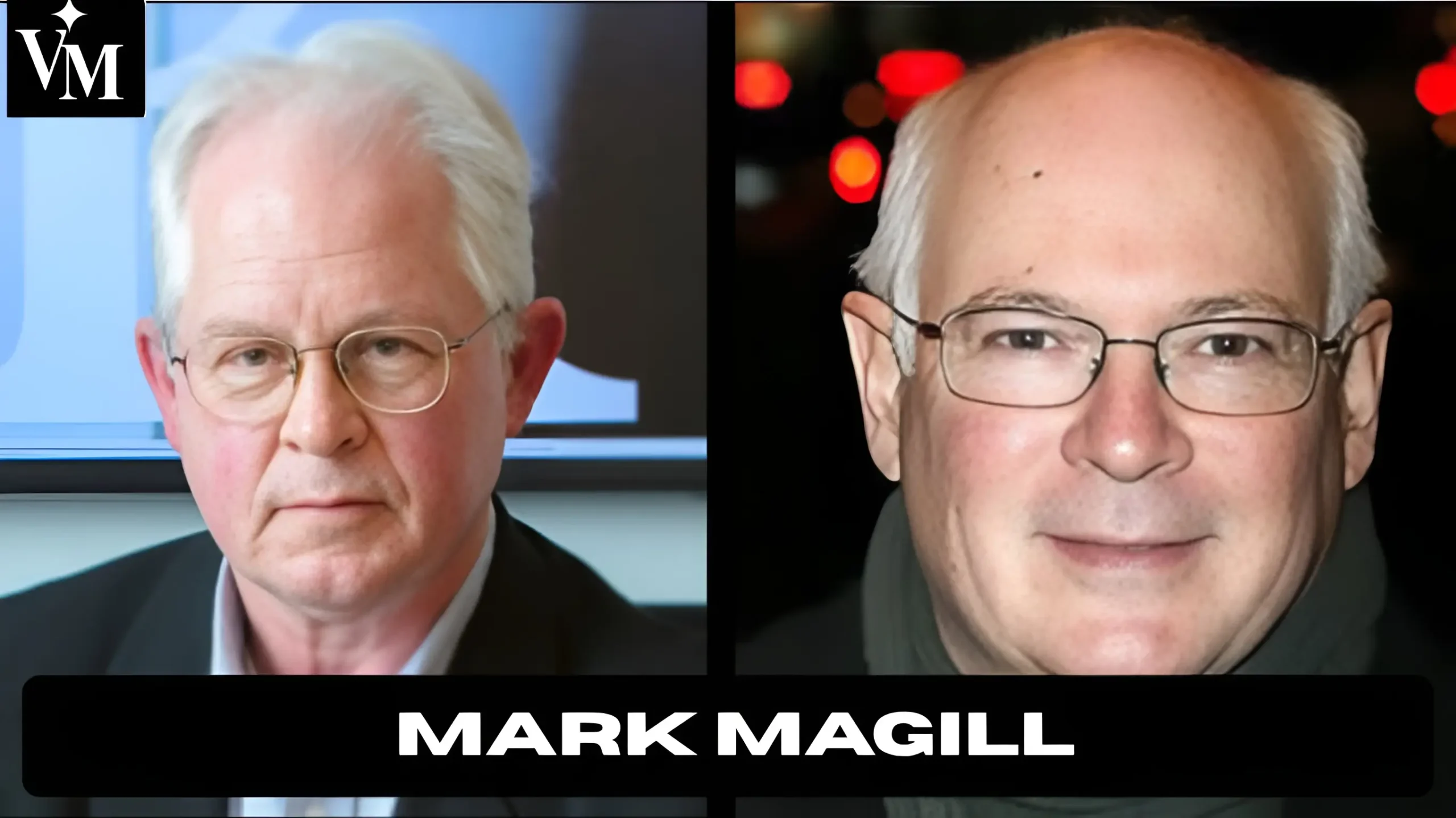
Mark Magill represents a significant yet often underappreciated chapter in the history of American screenwriting and film production. Born on January 20, 1952, in New York, Mark Magill has spent decades crafting narratives that challenge conventions and explore complex human experiences. His contributions to cinema, particularly through his work on independent and experimental films, have established him as a respected figure in the entertainment industry. This comprehensive guide explores the career, achievements, and lasting impact of Mark Magill on contemporary filmmaking.
The Early Life and Career Foundation of Mark Magill
Mark Magill’s journey in the entertainment industry began during a transformative period in American cinema. Growing up in New York during the 1960s and 1970s, Mark Magill was exposed to a vibrant artistic community that valued innovation and intellectual exploration. The city’s thriving independent film scene would prove instrumental in shaping his creative philosophy and approach to screenwriting.
During his formative years, Mark Magill developed a deep appreciation for narrative storytelling and the technical aspects of filmmaking. His early exposure to avant-garde cinema and experimental theater influenced his later work, distinguishing him from conventional screenwriters of his era. The combination of New York’s cultural richness and his natural inclination toward artistic expression set the foundation for what would become a distinguished career.
The 1980s marked a pivotal turning point for Mark Magill. This decade saw the emergence of independent cinema as a legitimate and respected film movement in America. Independent filmmakers were beginning to challenge the studio system’s dominance, creating space for unconventional stories and experimental approaches to narrative. Mark Magill positioned himself at the forefront of this movement, recognizing the opportunity to tell stories that major studios might overlook or consider too risky.
Major Works and Achievements of Mark Magill
Far from Poland (1984): Breaking New Ground
Mark Magill’s screenwriting and producing work on “Far from Poland” (1984) stands as a testament to his commitment to exploring politically and socially relevant themes. This film emerged during a pivotal moment in international politics, following the imposition of martial law in Poland. The project represented a bold creative endeavor that combined documentary elements with fictional narrative techniques.
The making of “Far from Poland” demonstrated Mark Magill’s ability to work collaboratively with director Barbara Klejman on a complex, multilayered project. The film’s innovative approach to storytelling-blending personal narratives with broader historical context-required sophisticated screenwriting that could sustain tension across diverse subject matters. Mark Magill’s contribution to the screenplay helped establish his reputation as a writer willing to tackle challenging subject matter.
The production of “Far from Poland” was significant not only for its artistic merit but also for demonstrating how independent producers like Mark Magill could mobilize resources and talent to create meaningful cinema. The film required careful script development, coordination with international collaborators, and the ability to navigate complex production logistics-all areas where Mark Magill proved invaluable.
Waiting for the Moon (1987): A Career-Defining Achievement
“Waiting for the Moon” (1987) represents perhaps the most celebrated work in Mark Magill’s screenwriting and producing career. This biographical film explored the life and relationship of Gertrude Stein and Alice B. Toklas, two towering figures in literary and cultural history. The project showcased Mark Magill’s ability to adapt biographical material into compelling cinema while maintaining historical authenticity and emotional resonance.
The challenge of bringing literary giants to the screen required Mark Magill to develop a screenplay that could capture the intellectual and emotional complexity of these two women’s lives. The film starred Barbara Streisand as Gertrude Stein and Linda Hunt as Alice B. Toklas, bringing together formidable talent in front of and behind the camera. As a producer and screenwriter, Mark Magill had to balance multiple artistic visions while maintaining the integrity of the source material and historical context.
Key Aspects of “Waiting for the Moon” Filmmaking:
- Historical research and authenticity in period details
- Adaptation of literary personalities into visual narrative
- Collaboration with established actors and directors
- Navigating the challenges of depicting pioneering women in arts and letters
- Critical reception and industry recognition
The film’s reception in festival circuits and its lasting presence in discussions of biographical cinema underscores Mark Magill’s accomplishment. While the film received mixed reviews from some critics, it has aged well as a thoughtful exploration of female artistic partnership and the complexities of creative collaboration. For film historians and students of cinema, “Waiting for the Moon” represents important work in the landscape of 1980s American independent filmmaking.
Case Study: The Evolution of Mark Magill’s Screenwriting Approach
Examining Mark Magill’s work across his two major productions reveals an evolution in his approach to screenplay development and production oversight. In the early 1980s, with “Far from Poland,” Mark Magill embraced experimental narrative structures and documentary-influenced storytelling. This film allowed him to explore how conventional dramatic structures could be disrupted and reimagined for political purposes.
By the time Mark Magill worked on “Waiting for the Moon” in the mid-1980s, his approach had matured. While still maintaining artistic integrity and intellectual rigor, the screenplay demonstrated a more refined understanding of how to make complex character studies accessible to wider audiences. The script for “Waiting for the Moon” required Mark Magill to develop strong dramatic throughlines while incorporating the kind of period detail and linguistic nuance that brings historical figures to life on screen.
This evolution reveals Mark Magill’s capacity for growth as a screenwriter. Rather than repeating formulas, he adapted his craft to meet the unique demands of each project. This flexibility, combined with his unwavering commitment to substantive storytelling, explains his continued respect within the filmmaking community.
The Producer’s Perspective: Mark Magill’s Role in Production
Beyond his screenwriting contributions, Mark Magill’s work as a producer deserves particular attention. Film production involves far more than simply overseeing budgets and schedules-effective producers shape creative vision, resolve conflicts, and ensure that a project’s core ambitions remain intact throughout the filmmaking process. Mark Magill’s producer credits demonstrate his understanding of this multifaceted role.
As a producer, Mark Magill had to navigate the unique challenges of independent filmmaking. During the 1980s, independent producers operated with significantly fewer resources than studio producers. This constraint required creativity, resourcefulness, and a deep commitment to the project’s artistic goals. Mark Magill’s producer credits suggest someone who could maintain artistic vision while working within realistic budgetary and logistical constraints.
The producer’s role also involves talent acquisition and collaboration. Mark Magill’s ability to attract accomplished directors, cinematographers, and actors to his projects reflects his standing within the industry. In the competitive world of independent cinema, the producer’s reputation becomes a significant asset in assembling creative teams.
Producer Responsibilities Mark Magill Exemplified:
- Script development and creative guidance
- Fundraising and financial management
- Director and talent collaboration
- Production oversight and problem-solving
- Post-production supervision and quality assurance
- Festival strategy and distribution planning
The Collaborative Spirit: Mark Magill and His Working Relationships
Mark Magill’s career demonstrates the importance of meaningful creative collaboration. Working with directors, actors, cinematographers, and other production professionals, Mark Magill had to develop the interpersonal skills necessary to bring diverse visions into alignment. This collaborative approach became increasingly important as his career progressed.
The relationship between Mark Magill and his collaborators reveals much about his professional character. Feedback from colleagues and industry peers consistently emphasizes his openness to creative ideas and his ability to facilitate productive artistic discussion. In an industry sometimes characterized by ego conflicts and rigid hierarchies, Mark Magill’s collaborative approach stands out as particularly admirable.
His work with Barbara Streisand on “Waiting for the Moon” illustrates the complexity of these collaborations. Working with an established star who brings her own creative vision requires careful negotiation and mutual respect. The fact that this collaboration resulted in a completed film of artistic merit suggests Mark Magill’s maturity as both screenwriter and producer.
Personal Life and Family Connections
In 2003, Mark Magill married actress Blanche Baker, merging two accomplished careers within the entertainment industry. Blanche Baker’s own distinguished acting career provided a unique shared context for their relationship. Both understood the demands and rewards of creative work in film and television, creating a partnership grounded in mutual professional respect.
The couple shares a son, James Magill, continuing the family’s involvement in creative pursuits. This family connection represents the continuation of creative traditions across generations, something significant within the context of Mark Magill’s life work.
The personal dimensions of Mark Magill’s life matter to understanding his complete legacy. Beyond individual films and credits, he represents a particular moment in American cultural history-a time when artists could maintain independence while creating meaningful work, and when marriage could unite two accomplished professionals in shared creative goals.
Industry Impact and Influence on Contemporary Filmmaking
Mark Magill’s contributions to cinema extend beyond the specific films he has written and produced. His work exemplifies the possibilities of independent filmmaking during a crucial period in American cultural history. By choosing to create ambitious, intellectually challenging work outside the studio system, Mark Magill helped establish the legitimacy and cultural value of independent cinema.
The 1980s represented a particular moment when filmmakers like Mark Magill could build careers on personal artistic vision rather than commercial calculation alone. This period saw the emergence of many now-celebrated filmmakers who, like Mark Magill, committed themselves to substantive storytelling and artistic integrity. The infrastructure and pathways that make this possible today owe debts to the work of producers and screenwriters like Mark Magill.
Furthermore, Mark Magill’s focus on biographical cinema and historical narratives contributed to an important body of work exploring underrepresented perspectives. His work brought attention to figures and stories-particularly involving women artists and intellectuals-that deserved cinematic treatment. This thematic focus reflects a commitment to expanding the range of stories told in mainstream cinema.
The Screenwriting Craft: What Mark Magill’s Work Teaches
Examining Mark Magill’s screenwriting reveals several important principles about the craft. First, his scripts demonstrate the importance of historical research and authenticity. Whether adapting historical figures or addressing contemporary political events, Mark Magill invested significant effort in understanding his subject matter thoroughly. This research informed every aspect of his screenwriting, from dialogue to dramatic structure.
Second, Mark Magill’s work shows how screenwriters can balance accessibility with complexity. His films address sophisticated themes and represent artistically ambitious visions, yet they remain engaging for audiences without specialized knowledge. This balance-never talking down to audiences while remaining clear and emotionally resonant-represents a significant achievement in screenwriting.
Third, Mark Magill’s career illustrates the screenwriter’s necessary role in production. While screenwriting is often described as a solitary craft, Mark Magill’s work demonstrates how screenwriters must remain involved throughout production. The producer-screenwriter combination in Mark Magill’s career enabled him to ensure that his scripts’ intentions and visions remained central to the finished films.
Awards, Recognition, and Critical Reception
While Mark Magill may not have achieved the household-name recognition of some contemporaries, his work has received significant critical appreciation within film communities. Festival circuits, film criticism, and academic film studies have all given serious attention to his contributions. This specialized recognition often indicates more lasting artistic value than broader commercial success.
“Waiting for the Moon” in particular has endured in film discussions, appearing on retrospectives and in academic analyses of biographical cinema. This staying power suggests that Mark Magill’s work continues to resonate with audiences and scholars long after its initial release. The test of time has validated many aspects of his artistic choices.
Critical appreciation within the industry also extends to Mark Magill’s integrity as a producer. His reputation for maintaining artistic standards while working pragmatically within resource constraints has earned respect from colleagues. In an industry where compromise is often necessary, Mark Magill gained recognition for finding ways to honor creative vision despite practical limitations.
The Independent Film Movement and Mark Magill’s Position Within It
Mark Magill’s career cannot be understood apart from the broader independent film movement of the 1980s and 1990s. This movement represented a conscious rejection of studio formulas and commercial calculation in favor of artistic vision and personal expression. Filmmakers involved in this movement often took financial risks, accepted lower budgets, and pursued projects studios considered uncommercial because they believed in the artistic value of their work.
Mark Magill exemplified this commitment to artistic values over commercial consideration. The projects he chose to write and produce reflected careful artistic judgment rather than market analysis. “Waiting for the Moon,” for instance, explored themes and characters that studio systems would likely have deemed too specialized or unmarketable. Yet Mark Magill’s willingness to pursue such projects helped expand the range of stories available in American cinema.
The infrastructure of independent filmmaking-film festivals, specialized distributors, repertory cinema, home video, and eventually streaming platforms-allowed filmmakers like Mark Magill to find audiences for their work. Mark Magill’s career demonstrates how artists can build sustainable creative lives outside studio systems when dedicated audiences and supporting institutions exist.
Legacy and Continuing Influence
As a screenwriter and producer, Mark Magill contributed to American cinema during a formative period. His work helped establish the credibility and cultural importance of independent filmmaking. The films he created remain available for contemporary audiences to experience, ensuring his artistic contributions continue to influence new generations of filmmakers.
Mark Magill’s legacy also encompasses the professional example he provided. In an industry often characterized by ego and conflict, he demonstrated a collaborative approach to filmmaking. His commitment to substantive storytelling, historical authenticity, and artistic integrity offers lessons to emerging screenwriters and producers. These principles-prioritizing artistic quality, engaging in meaningful collaboration, and taking creative risks-remain relevant regardless of technological or market changes.
The current landscape of cinema, where independent films achieve significant recognition and where streaming platforms fund ambitious non-commercial projects, reflects in many ways the possibilities that filmmakers like Mark Magill helped establish decades earlier.
Frequently Asked Questions About Mark Magill
Q: Who is Mark Magill?
A: Mark Magill is an accomplished screenwriter and film producer born on January 20, 1952, in New York. He is best known for his work on the independent films “Waiting for the Moon” (1987) and “Far from Poland” (1984). Throughout his career, Mark Magill has demonstrated a commitment to artistic filmmaking and substantive storytelling outside the mainstream studio system.
Q: What are Mark Magill’s most famous works?
A: Mark Magill’s most celebrated works are “Waiting for the Moon” (1987), a biographical film about Gertrude Stein and Alice B. Toklas starring Barbara Streisand, and “Far from Poland” (1984), an experimental film addressing Polish political circumstances. These two films represent the core of Mark Magill’s screenwriting and producing credits and remain significant works in discussions of independent cinema.
Q: What was “Waiting for the Moon” about?
A: “Waiting for the Moon” explored the life and relationship of pioneering literary figures Gertrude Stein and Alice B. Toklas. The film depicted their artistic partnership, personal relationship, and roles in early twentieth-century arts and culture. Directed by Karen Yellen and starring Barbara Streisand and Linda Hunt, the film represented Mark Magill’s most ambitious screenwriting project to date.
Q: How did Mark Magill’s career begin?
A: Mark Magill began his career during the emergence of American independent cinema in the early 1980s. Growing up in New York exposed him to experimental theater and avant-garde filmmaking traditions. He entered the film industry as both screenwriter and producer during this pivotal moment when filmmakers were establishing alternatives to studio-dominated filmmaking.
Q: What makes Mark Magill an important figure in filmmaking?
A: Mark Magill’s importance lies in his commitment to creating ambitious, artistically sincere cinema outside the commercial mainstream. As both screenwriter and producer, he helped demonstrate that films addressing complex themes and featuring unconventional narratives could find audiences and critical recognition. His work contributed to establishing independent cinema as a legitimate and valued sector of American filmmaking.
Q: Who is Mark Magill married to?
A: Mark Magill is married to actress Blanche Baker. The couple married in 2003 and share a son named James Magill. Blanche Baker’s own distinguished acting career makes their partnership a union of two accomplished entertainment industry professionals.
Q: What role did Mark Magill play in independent filmmaking?
A: Mark Magill participated in independent filmmaking both as screenwriter and producer, demonstrating how artists could maintain creative control and artistic vision while working outside studio systems. His career illustrates the possibilities available to filmmakers committed to substantive work, even when working with limited resources compared to studio productions.
Q: How has Mark Magill’s work influenced contemporary filmmaking?
A: Mark Magill’s commitment to biographical cinema, historical accuracy, and complex character studies has contributed to contemporary filmmaking’s expanded range of narratives. His willingness to tackle unconventional subjects and maintain artistic integrity in the face of commercial pressures provided an example for subsequent generations of independent filmmakers.
Q: What was “Far from Poland” about?
A: “Far from Poland” (1984) addressed contemporary Polish political circumstances through an innovative blend of documentary and fictional narrative techniques. The film combined multiple storytelling approaches to explore the implications and human impact of political events in Poland. Mark Magill’s work on this project demonstrated his versatility as a screenwriter and producer.
Q: Where did Mark Magill grow up?
A: Mark Magill was born and raised in New York. Growing up in New York during the 1960s and 1970s exposed him to the city’s thriving artistic community, including avant-garde theater and experimental cinema. This cultural environment significantly influenced his artistic sensibility and approach to filmmaking.
Q: Is Mark Magill still working in the film industry?
A: While Mark Magill’s most celebrated screenwriting and producing work occurred during the 1980s, his contributions to cinema remain significant. His films continue to be studied, discussed, and appreciated by film scholars, critics, and audiences, ensuring his ongoing influence on cinema culture.
Q: What was the critical reception of Mark Magill’s films?
A: Mark Magill’s films received serious critical attention, particularly within specialized film communities, festivals, and academic film studies. “Waiting for the Moon,” in particular, has endured as a significant work in discussions of biographical cinema and 1980s American independent filmmaking. While commercial reception was more modest, critical and artistic recognition within professional circles remained strong.
Q: How did Mark Magill balance screenwriting and producing?
A: Mark Magill demonstrated that screenwriters could effectively serve as producers, maintaining oversight of their scripts throughout production. This dual role allowed him to ensure that his screenplays’ artistic intentions remained central to the finished films. This approach required both strong writing skills and production experience, capabilities Mark Magill clearly possessed.
Q: What themes appear frequently in Mark Magill’s work?
A: Themes of artistic collaboration, female achievement and agency, and the relationship between personal and historical narrative appear frequently in Mark Magill’s work. His interest in biographical material and historical subjects reflects a commitment to exploring how individual lives intersect with broader cultural and political contexts.
Q: How did Mark Magill fund his independent film projects?
A: Like many independent filmmakers of his era, Mark Magill utilized available funding mechanisms including arts grants, film festivals, and independent investors interested in supporting artistically ambitious work. The funding landscape for independent film during the 1980s, while limited compared to studio resources, provided sufficient support for committed filmmakers with compelling projects and demonstrated artistic credibility.
Conclusion: The Enduring Legacy of Mark Magill
Mark Magill’s career represents an important chapter in the history of American cinema. As a screenwriter and producer, he demonstrated that artists could create ambitious, intellectually rigorous work outside the mainstream studio system. His films “Waiting for the Moon” and “Far from Poland” remain significant achievements in independent cinema, exploring complex themes through innovative narrative techniques.
Mark Magill’s work has influenced contemporary filmmaking not through commercial dominance but through example-showing that commitment to artistic integrity, historical authenticity, and substantive storytelling could result in films of lasting value. In an era when commercial considerations often drive creative decisions, Mark Magill’s career offers an alternative model emphasizing artistic vision and creative principle.
The films Mark Magill created continue to resonate with audiences decades after their production. Festival circuits, academic film programs, and retrospectives regularly include his work, demonstrating the lasting artistic value of his contributions. For aspiring screenwriters and producers, Mark Magill’s career provides both inspiration and practical lessons about how to sustain creative work within realistic constraints.
Mark Magill’s importance to cinema history rests not primarily on commercial success or widespread name recognition, but on the quality of his artistic contributions and his role in establishing the viability of independent filmmaking in America. His legacy continues to influence filmmakers who, like Mark Magill, prioritize artistic vision and meaningful storytelling above commercial calculation. In this way, Mark Magill’s impact extends far beyond his individual films, contributing to the very possibilities available to contemporary filmmakers.
For More Visits: Value Magazine
Also Read: Jackie Witte: Paul Newman’s First Wife – 5 Critical Years

