



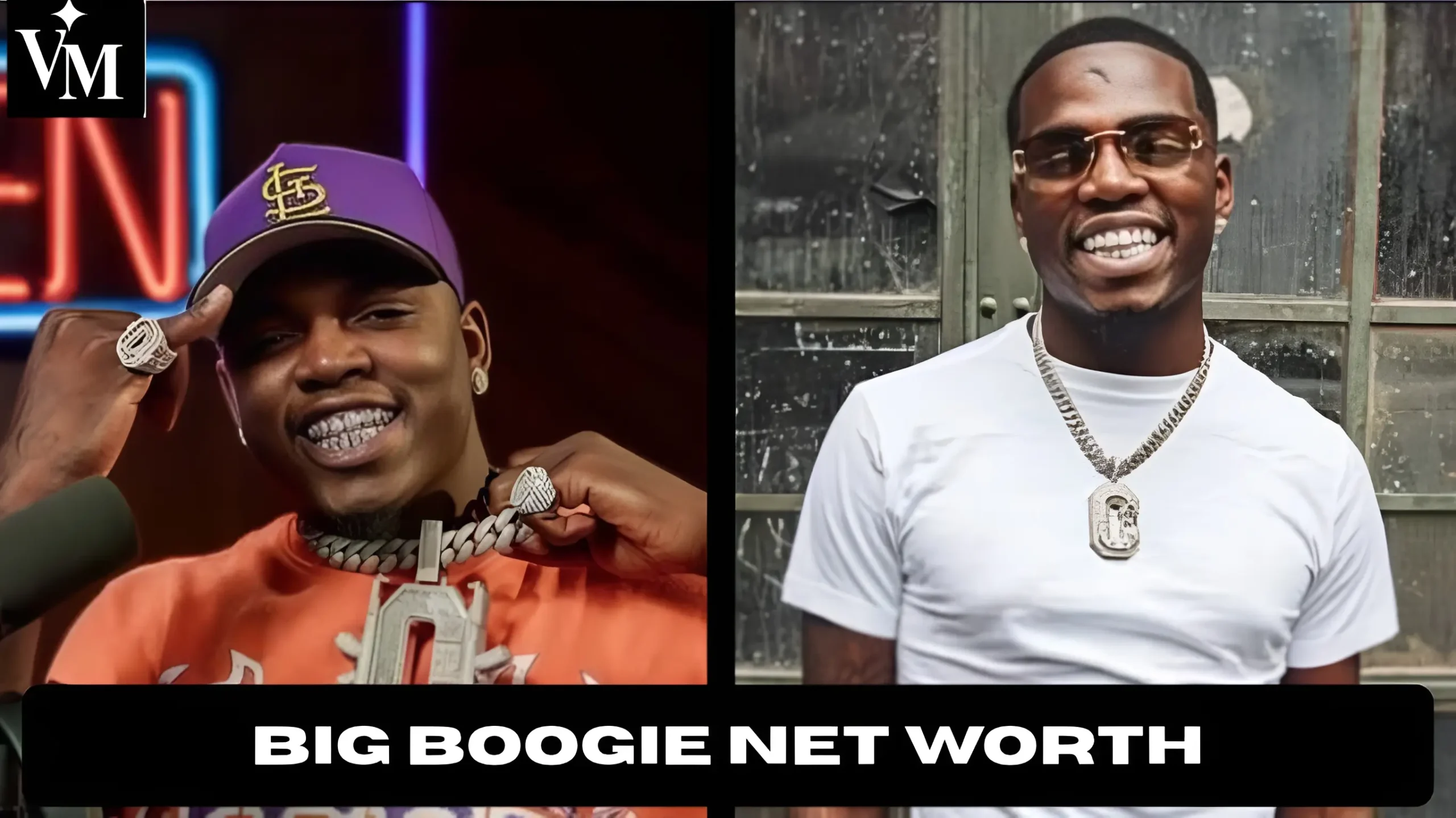
The growing popularity of Southern hip-hop has introduced audiences to several talented artists who have built their reputations through distinctive musical styles, energetic performances, and strong connections with their listeners. One name that continues to attract attention in this space is Big Boogie. Known for his expressive delivery, street-influenced lyrics, and energetic personality, Big Boogie has developed a recognizable position in the modern rap industry. As his music reaches more listeners, fans have become increasingly interested in his personal life, professional achievements, and financial success.
One of the most frequently searched topics surrounding the rapper is Big Boogie net worth. People want to understand how much money he has accumulated, where his income comes from, and whether his success in music has translated into long-term financial stability. These questions are understandable because the entertainment industry offers several earning opportunities beyond releasing songs. Artists can generate revenue through streaming platforms, live performances, merchandise, collaborations, brand partnerships, and other business activities.
However, estimating the wealth of a modern music artist is not as simple as counting streams or looking at social media popularity. An artist’s financial position depends on contracts, management arrangements, production costs, taxes, personal expenses, ownership rights, and investments. Publicly visible success does not always represent the amount of money an entertainer actually keeps.
Big Boogie has developed his career through consistent musical activity and an expanding audience. His professional journey demonstrates how an artist can use talent, personality, and digital platforms to establish a place in a competitive entertainment market. His growing recognition has also made his financial journey an interesting subject for hip-hop fans.
This article explores Big Boogie’s estimated net worth, musical background, career development, potential income sources, lifestyle, professional achievements, and future financial opportunities. It also examines illustrative financial case studies to explain how different revenue streams can influence an independent or professionally managed rapper’s overall financial position.
Who Is Big Boogie?
Big Boogie is an American rapper and entertainer associated with the contemporary Southern hip-hop scene. He is recognized for his energetic musical delivery, emotional expression, and lyrics influenced by personal experiences and street-oriented storytelling. His approach to music combines strong vocal performances with a style that appeals to listeners who appreciate direct, expressive, and energetic rap.
The rapper has attracted attention through recordings that demonstrate his personality and artistic identity. Instead of relying on only one musical approach, he has explored different moods and themes, allowing listeners to experience multiple sides of his creative personality.
Big Boogie’s appeal is connected to more than the sound of his music. His personality, presentation, and ability to connect with audiences have helped him establish a recognizable image. In modern hip-hop, artists often need to develop a complete identity that works across music platforms, interviews, live performances, and social media.
For many listeners, this combination makes Big Boogie an interesting personality to follow. His career also raises questions about the financial opportunities available to rappers who develop a dedicated audience in the competitive Southern rap market.
Big Boogie Net Worth: How Much Is He Worth?
Big Boogie net worth is a popular search topic because fans want to understand the financial results of his growing music career. Although various online discussions may suggest different figures, an important distinction must be made between a published estimate and a verified financial statement.
There is no publicly established, independently audited figure that confirms Big Boogie’s total personal wealth. His private financial records, contractual arrangements, investment portfolio, business ownership, and outstanding obligations are not fully available to the public. Consequently, any exact dollar amount presented as his confirmed net worth should be treated cautiously.
A meaningful net worth calculation would require information about his assets and liabilities. Assets might include money held in bank accounts, investments, real estate, vehicles, business interests, and valuable intellectual property. Liabilities could include loans, mortgages, contractual obligations, taxes, and other debts.
Music revenue alone cannot provide a complete picture. An artist may generate substantial income while also paying significant expenses to maintain a professional career. Recording sessions, music videos, touring, promotion, management, travel, and other operational costs can consume a considerable portion of gross earnings.
For this reason, Big Boogie’s financial position is better understood through an examination of the activities that may contribute to his income rather than through an unsupported exact figure.
His growing recognition, music catalog, performance opportunities, and audience engagement provide several potential avenues for generating wealth. However, the actual financial contribution of each activity depends on private business arrangements that are not publicly established.
Early Life and Musical Background
Understanding an artist’s career often requires looking beyond financial questions. Musical development, personal influences, and early experiences can help explain why an entertainer chooses a particular sound or artistic direction.
Big Boogie’s identity as a rapper is connected to the Southern hip-hop tradition, which has influenced numerous performers through its distinctive rhythms, regional storytelling, and expressive delivery. Southern rap includes a wide range of musical approaches, from melodic performances to aggressive street-oriented records and emotionally driven storytelling.
Artists entering this environment must develop something that distinguishes them from competitors. Some focus on lyrical complexity, others emphasize production, while many build their identities through a recognizable voice and memorable performances.
Big Boogie’s musical personality reflects an energetic approach that helps his recordings stand out. His presentation gives listeners an identifiable experience, which is valuable in an industry where audiences have access to thousands of new songs every week.
Personal experiences can also influence the way rappers communicate through music. Hip-hop has historically provided a platform for artists to discuss ambition, difficult circumstances, relationships, personal struggles, and the desire for financial independence.
These themes often create an emotional connection between performers and their audiences. When listeners recognize elements of their own experiences in an artist’s music, they may become more interested in following that artist’s career.
Although private details about Big Boogie’s early financial circumstances should not be assumed, his professional journey illustrates the importance of developing an artistic identity before attempting to build a sustainable entertainment business.
How Did Big Boogie Build His Music Career?
Building a successful music career requires more than recording songs. Artists must develop their creative abilities, identify their audiences, promote their work, and establish professional relationships that can create additional opportunities.
Big Boogie’s career can be understood through several important areas of development.
Developing a Recognizable Musical Identity
A recognizable musical identity is one of the most valuable assets an entertainer can develop. Listeners often remember an artist because of a particular vocal style, personality, lyrical approach, or performance energy.
Big Boogie’s expressive delivery contributes to his identity as a performer. A distinctive approach can make songs easier to recognize and encourage audiences to explore additional recordings.
This is particularly important in modern hip-hop, where artists compete for attention across streaming platforms, social media, playlists, and short-form video applications.
Releasing Music Consistently
Regular releases help artists remain connected with existing listeners while introducing their music to new audiences. Every release creates another opportunity for discovery, streaming activity, discussion, and promotional exposure.
Consistency does not necessarily mean releasing music every week. It means maintaining a creative direction and giving listeners meaningful reasons to remain interested in an artist’s work.
A well-planned release strategy may include singles, collaborative recordings, music videos, promotional content, and larger projects.
Expanding Audience Recognition
Audience recognition can influence almost every part of a music career. Artists with dedicated listeners may find it easier to attract performance opportunities, secure collaborations, and develop merchandise businesses.
Digital platforms have made audience development more accessible, although competition has also increased.
Big Boogie’s growing visibility demonstrates the importance of connecting musical releases with a recognizable public personality.
Building Industry Relationships
Professional relationships can create opportunities that would otherwise be difficult for an emerging performer to access.
These relationships may involve producers, recording engineers, managers, promoters, distributors, publicists, and other musicians.
A strong professional network can help an artist improve the quality of recordings, reach new audiences, and organize larger projects.
However, professional partnerships also involve financial agreements. The amount an artist receives from a project depends on the responsibilities and rights assigned to each participant.
Main Sources of Big Boogie’s Income
The question of Big Boogie net worth naturally leads to another important topic: how does a rapper make money?
Modern musicians have several possible revenue streams. While the exact details of Big Boogie’s private earnings are not publicly established, the following areas help explain how an artist with his career profile may generate income.
1. Music Streaming Revenue
Streaming is an important part of the modern music business. Platforms such as Spotify, Apple Music, and YouTube Music allow listeners to access songs without purchasing individual physical copies.
Every eligible stream may contribute to the revenue generated by a recording. However, streaming income is not calculated using one universal payment rate.
Payments depend on platform-specific systems, subscription arrangements, advertising revenue, listener location, and contractual agreements.
An artist’s actual share can also depend on the ownership of the master recording, distribution arrangements, label agreements, and royalty splits.
For example, a rapper who owns a larger portion of a recording may receive a different financial benefit from the same streaming activity than an artist who has signed away certain rights.
Streaming can be especially valuable because a successful song may continue attracting listeners long after its original release.
A catalog containing several recordings can therefore become an important long-term business asset.
2. Live Performances and Concerts
Live performances represent another significant earning opportunity for professional musicians.
Concerts allow artists to earn money through scheduled appearances, ticketed events, festivals, private performances, and other entertainment bookings.
The amount an artist receives depends on several factors:
- The size and location of the event.
- The artist’s popularity in the relevant market.
- The promoter’s budget.
- Contractual performance arrangements.
- Travel and accommodation expenses.
- Production and staffing requirements.
An artist may receive a negotiated appearance fee, a percentage of ticket revenue, or another payment structure.
However, the advertised value of a performance is not necessarily the amount that becomes personal income. Touring involves expenses such as transportation, accommodation, security, musicians, technical staff, and management.
For an established rapper, live performances can provide an important source of revenue while also helping strengthen relationships with fans.
3. Music Sales and Digital Downloads
Although streaming dominates music consumption, digital purchases can still contribute to an artist’s overall business.
Listeners may purchase albums, individual tracks, or special releases through digital music stores.
Sales revenue depends on pricing, distribution arrangements, platform fees, and ownership agreements.
Physical music products can also create opportunities for collectors and dedicated fans. Special editions, signed merchandise bundles, and limited releases may help artists develop stronger connections with their audiences.
For a rapper with an established following, music sales can complement streaming activity and other forms of entertainment revenue.
4. YouTube Revenue
YouTube offers musicians an additional way to reach listeners and potentially generate advertising income.
Artists may publish official music videos, lyric videos, behind-the-scenes footage, interviews, performance recordings, and other original content.
Eligible content can generate revenue through advertising and other platform features.
However, the financial results depend on monetization eligibility, audience demographics, advertising demand, watch time, copyright ownership, and revenue-sharing arrangements.
A music video with millions of views does not automatically produce a fixed amount of money for the performer.
The ownership of the video and recording also matters. Production companies, labels, distributors, and other rights holders may participate in revenue distribution.
YouTube can nevertheless provide an important combination of visibility, audience engagement, and potential earnings.
5. Music Collaborations and Features
Collaborations are another possible source of income for professional rappers.
Artists frequently work together to create songs that combine different audiences and musical styles. A collaboration may help both performers attract listeners who were previously unfamiliar with their work.
Depending on the agreement, a featured artist may receive an upfront fee, royalty participation, promotional benefits, or another form of compensation.
The financial structure is not identical for every collaboration.
Some arrangements focus on immediate payment, while others provide continuing participation in the recording’s revenue.
Collaborations can also create valuable professional relationships that lead to future projects, performances, and promotional opportunities.
6. Merchandise Sales
Merchandise allows musicians to turn their artistic identities into products that fans can purchase.
Common examples include:
- Branded T-shirts and hoodies.
- Caps and other accessories.
- Posters and collectible items.
- Limited-edition clothing.
- Special merchandise connected to music releases.
Merchandise can generate income while helping artists build recognizable brands.
However, operating a merchandise business requires planning. Production, shipping, storage, advertising, customer service, and inventory management all involve costs.
An artist may also work with an external merchandise company, which can influence the amount of revenue retained from each sale.
If Big Boogie expands his merchandise activities, this type of business could become another component of his overall financial portfolio.
7. Brand Partnerships and Sponsorships
Brand partnerships can provide additional earning opportunities for musicians with strong public recognition.
Companies often work with entertainers to introduce products or services to specific audiences.
Potential partnership categories include:
- Fashion and clothing.
- Entertainment events.
- Lifestyle products.
- Consumer technology.
- Food and beverage brands.
- Digital services.
The value of a partnership depends on the artist’s audience, engagement, public image, campaign requirements, and contractual terms.
Not every social media promotion represents a paid sponsorship. Some posts may be personal recommendations, promotional exchanges, or content connected to other business arrangements.
For this reason, brand endorsements should be considered a possible income category rather than a confirmed source of Big Boogie’s personal earnings.
8. Publishing and Songwriting Royalties
Songwriting and music publishing can become valuable long-term revenue sources.
Whenever eligible musical compositions are used commercially, certain rights holders may receive royalties.
These rights are different from the rights associated with a sound recording.
For example, the person who owns a master recording and the person who owns the underlying musical composition may not be the same individual.
Songwriters, composers, publishers, and other rights holders can receive income depending on their contractual ownership and participation.
For a rapper involved in writing original lyrics, publishing rights may represent an important part of a broader financial strategy.
Big Boogie’s Music Catalog as a Financial Asset
A music catalog can become one of the most valuable assets in an artist’s career.
Unlike a live performance, which usually creates income from a particular event, recorded music can continue generating revenue through different forms of use.
A successful recording may attract listeners years after its original release. It may also become popular again through social media trends, playlists, entertainment placements, or renewed audience interest.
This creates the possibility of long-term revenue.
The financial value of a catalog depends on several elements:
Ownership: An artist’s financial participation depends on the rights they control.
Popularity: Recordings with consistent listening activity may have greater commercial potential.
Longevity: Songs that remain relevant over time can continue generating revenue.
Licensing opportunities: Music may be licensed for films, television, advertisements, games, and other productions.
Publishing rights: Ownership of compositions can create a separate source of royalty income.
For Big Boogie, his recorded work represents a professional asset that may continue supporting his career as his audience develops.
However, it is important not to assume that every song he performs is fully owned by him. Recording contracts and collaboration agreements can divide ownership among multiple parties.
Big Boogie’s Lifestyle and Spending Habits
Fans often become interested in an artist’s lifestyle after seeing photographs, videos, interviews, and social media posts.
Luxury fashion, jewelry, expensive vehicles, travel, and exclusive events are frequently associated with successful hip-hop performers.
These elements can contribute to an artist’s public image, but they do not provide reliable evidence of personal net worth.
A photograph of an expensive vehicle does not establish ownership. The vehicle may be leased, rented, borrowed, financed, or owned by another person.
Similarly, wearing designer clothing does not necessarily mean the performer purchased every item personally. Some fashion products may be gifted, sponsored, borrowed, or provided for promotional purposes.
A responsible discussion of Big Boogie’s lifestyle should therefore distinguish between public presentation and verified financial ownership.
Professional entertainers may spend money on several categories:
- Clothing and personal styling.
- Transportation and travel.
- Housing and household expenses.
- Security and professional assistance.
- Music production and promotion.
- Taxes and financial administration.
- Business investments.
- Family and personal responsibilities.
These expenses can influence how much of an artist’s gross income becomes personal wealth.
A sustainable financial strategy generally requires balancing lifestyle spending with savings, investments, and business expenses.
The Difference Between Music Income and Net Worth
One of the biggest misunderstandings surrounding celebrity wealth is the belief that income and net worth mean the same thing.
They are two different financial measurements.
For example, imagine an artist receives substantial payments from concerts and music releases during a year.
That amount represents gross or business revenue, not necessarily personal profit.
The artist may need to pay:
- Managers and representatives.
- Recording and production professionals.
- Touring staff.
- Marketing and promotional expenses.
- Taxes.
- Business operating costs.
- Loan payments.
- Other contractual obligations.
After these expenses, the remaining amount may be considerably smaller.
An artist who earns a high income but spends most of it may have less accumulated wealth than someone who earns less but manages money carefully.
This distinction is particularly important when evaluating Big Boogie net worth.
Public attention tends to focus on visible success, while the financial details that determine actual wealth often remain private.
Case Studies: Understanding How a Rapper Can Build Wealth
The following case studies are illustrative financial scenarios designed to explain the business side of a modern rap career. They do not represent Big Boogie’s actual contracts, income, expenses, or financial records.
Case Study 1: Building Revenue Through Music Streaming
Consider a fictional rapper who releases several successful songs and gradually develops a dedicated audience.
The artist’s music becomes available on major streaming platforms. Over time, listeners discover the recordings through playlists, recommendations, and social media.
The artist begins receiving streaming-related revenue through the applicable distribution and rights arrangements.
However, the artist does not automatically keep every dollar generated by the recordings.
A portion may be allocated to distributors, labels, producers, collaborators, publishers, or other rights holders.
The artist also spends money on recording sessions, promotional campaigns, artwork, and music videos.
The main lesson from this scenario is that streaming success becomes financially meaningful when an artist understands ownership and manages expenses effectively.
For an artist such as Big Boogie, maintaining an active catalog and developing long-term listeners can be more valuable than relying on one temporary viral moment.
Case Study 2: Increasing Earnings Through Live Performances
Imagine a rapper whose music becomes increasingly popular in several regional markets.
Event promoters begin inviting the artist to perform at concerts, festivals, and entertainment venues.
The artist receives appearance payments based on individual agreements.
As the audience grows, the artist may have opportunities to negotiate better performance terms.
However, the artist must also manage travel, accommodation, production, security, and staffing expenses.
A successful performance strategy requires more than accepting every available booking.
The artist’s team must evaluate the profitability of each event and consider whether the performance supports long-term career development.
This scenario demonstrates how live entertainment can complement recording income.
For Big Boogie, performance opportunities represent a potential area of financial growth, although the details of his actual booking agreements are private.
Case Study 3: Developing a Personal Merchandise Business
Consider another fictional musician who has established a recognizable public image.
The artist decides to launch a clothing collection featuring original designs and branding connected to the music career.
The initial collection receives attention from dedicated followers.
However, the business faces several expenses, including product manufacturing, website operations, shipping, advertising, and customer service.
The artist discovers that strong branding alone does not guarantee profitability.
Success requires understanding customer demand, maintaining product quality, managing inventory, and pricing merchandise appropriately.
This scenario shows why merchandise can be an attractive opportunity but also a business that requires professional management.
If Big Boogie chooses to expand his personal brand through merchandise, the opportunity could support his long-term commercial development.
Case Study 4: Turning Music Rights Into Long-Term Wealth
A fictional songwriter releases a collection of original recordings.
Instead of focusing exclusively on immediate revenue, the songwriter pays attention to publishing rights, ownership agreements, licensing opportunities, and long-term catalog management.
Several years later, the recordings continue receiving attention.
Some compositions attract new audiences, while others become suitable for commercial licensing.
Because the songwriter has maintained an organized rights structure, the catalog remains a potential source of continuing income.
The key lesson is that intellectual property can become a valuable financial asset.
Artists who understand their rights may be better positioned to benefit from the long-term commercial life of their music.
How Big Boogie’s Career Compares With Other Southern Rappers
Southern hip-hop has produced artists with different career strategies and financial outcomes.
Some performers focus on building a large recording catalog. Others prioritize touring, independent releases, business ventures, or collaborations.
There is no single path to financial success.
An artist’s commercial performance depends on audience size, market demand, professional relationships, ownership rights, and business decisions.
Big Boogie’s career is part of a competitive musical environment where originality and audience loyalty can influence future opportunities.
Comparing his financial position with another rapper should be done carefully.
Online celebrity net worth figures often rely on estimates that use different methods and incomplete information. Two published figures may not measure the same financial categories.
A fair comparison should examine career development, commercial activity, catalog ownership, and business opportunities instead of treating unverified wealth rankings as established facts.
The Importance of Social Media in Big Boogie’s Career
Social media has changed the way musicians promote their work.
In earlier music-industry models, artists depended heavily on traditional media, radio exposure, television appearances, and major promotional campaigns.
Today, digital platforms allow entertainers to communicate directly with listeners.
Social media can help an artist:
- Introduce newly released music.
- Share performance announcements.
- Publish behind-the-scenes content.
- Promote collaborations.
- Build stronger audience relationships.
- Direct listeners toward streaming platforms.
- Develop a recognizable public identity.
For rappers, short-form videos can be particularly useful because a memorable musical moment may encourage listeners to explore the complete recording.
However, social media popularity and financial wealth are not interchangeable.
A large following does not automatically guarantee strong sales, profitable bookings, or successful business partnerships.
The quality of audience engagement matters alongside the number of followers.
An artist who develops a loyal audience may have more sustainable opportunities than someone whose popularity is based mainly on temporary attention.
Challenges That Can Affect a Rapper’s Net Worth
The music industry offers significant financial opportunities, but it also presents challenges.
Artists must manage unpredictable revenue, competitive markets, contractual obligations, changing audience preferences, and the cost of maintaining a professional career.
Unpredictable Income
Music income can fluctuate from one period to another.
A successful release may produce considerable attention, but audience interest can change quickly.
Live performance schedules may also vary depending on market demand, event availability, and promotional activity.
Financial planning is important because artists cannot assume that every year will produce the same level of revenue.
High Business Expenses
Professional music careers involve expenses that are not always visible to fans.
Recording, mixing, mastering, photography, video production, advertising, transportation, and staff payments can require substantial investment.
Without careful budgeting, a large amount of revenue may be consumed by operating costs.
Contractual Limitations
Recording and management agreements can influence how much money an artist receives.
A contract may specify ownership rights, royalty percentages, recoupment arrangements, distribution terms, and other financial responsibilities.
Artists should understand these agreements before making important business decisions.
Professional legal and financial advice can help entertainers protect their interests.
Changes in Music Trends
Musical trends evolve continuously.
A sound that attracts significant attention today may become less popular in the future.
Artists who remain creative and understand their audiences may be better prepared to adapt.
Personal Financial Management
Earning money is only one part of wealth creation.
Saving, investing, managing taxes, controlling expenses, and protecting assets are equally important.
An entertainer who develops good financial habits may have a stronger foundation for long-term stability.
Big Boogie’s Potential for Future Financial Growth
Big Boogie’s future financial opportunities depend on several factors, including his musical development, audience engagement, professional relationships, and business decisions.
The music industry continues to provide new opportunities for performers who can combine creative ability with effective business management.
Several areas could support his future growth.
Expanding His Music Catalog
Releasing new projects can help maintain audience interest while creating additional opportunities for streaming and promotional exposure.
A diverse catalog can also provide long-term value when recordings continue attracting listeners.
Reaching New Markets
Performing in additional cities and regions may introduce an artist to audiences who have not previously experienced his music.
International exposure can also create opportunities for collaborations, touring, and digital growth.
Developing Independent Business Opportunities
Artists can use their public recognition to establish businesses beyond music.
Possible opportunities include fashion, merchandise, entertainment production, creative services, and other entrepreneurial activities.
The success of these ventures depends on planning, market demand, and professional execution.
Strengthening Ownership and Intellectual Property Rights
Understanding music ownership can help artists protect the long-term value of their creative work.
Publishing arrangements, recording rights, licensing agreements, and distribution contracts all influence how revenue is generated and shared.
Building a Sustainable Public Brand
An artist’s reputation can become a valuable professional asset.
Consistent communication, quality releases, authentic audience engagement, and responsible business decisions can help create a stronger long-term brand.
For Big Boogie, these opportunities represent possible directions for continued professional development rather than guaranteed financial outcomes.
What Makes Big Boogie Interesting to Hip-Hop Fans?
Big Boogie’s appeal comes from several elements that contribute to his identity as a modern rapper.
First, his energetic musical presentation gives listeners a recognizable experience. A distinctive delivery can help performers develop a memorable position in a crowded music market.
Second, his connection to Southern hip-hop places his work within a regional tradition that has influenced the wider American rap industry.
Third, his career demonstrates the importance of digital visibility. Music platforms and social media have created new ways for performers to reach audiences and maintain relationships with listeners.
Finally, fans are interested in the person behind the music. Questions about an artist’s background, career, lifestyle, and finances often become part of the wider public conversation.
The continued interest in Big Boogie net worth reflects this broader curiosity.
How Celebrity Net Worth Estimates Should Be Evaluated
Celebrity net worth articles are popular because readers enjoy learning about the financial achievements of entertainers.
However, not all online estimates are equally reliable.
A website may publish a specific figure without explaining how it was calculated. Another website may present a different number based on assumptions about music revenue or public appearances.
Neither figure should automatically be considered accurate.
A responsible evaluation should consider the following questions:
Is the figure supported by financial documentation? Publicly available financial statements provide stronger evidence than unsupported online estimates.
Does the estimate distinguish revenue from profit? Gross income does not equal personal wealth.
Does it account for liabilities? Debts and financial obligations influence net worth.
Does it consider ownership rights? Artists may not own every recording they perform.
Is the information current? Financial positions can change as careers develop and investments gain or lose value.
Does the article distinguish facts from estimates? Readers should be able to understand which details are established and which are uncertain.
These considerations are important when researching Big Boogie’s finances.
Rather than accepting every online number, readers should understand the limitations of celebrity wealth estimates.
Frequently Asked Questions About Big Boogie Net Worth
1. What is Big Boogie’s net worth?
Big Boogie’s exact net worth has not been publicly confirmed through audited financial disclosures. His financial position may include income from music, performances, collaborations, and other professional activities. However, an exact personal wealth figure cannot be established without reliable information about his assets, liabilities, contracts, and expenses.
2. How does Big Boogie make his money?
Big Boogie is primarily known for his music career. Potential income sources for a professional rapper include streaming royalties, music sales, live performances, collaborations, YouTube monetization, merchandise, and brand partnerships. The exact contribution of each category to his personal income is not publicly verified.
3. Is Big Boogie a successful rapper?
Big Boogie has developed recognition within the contemporary Southern hip-hop scene. His distinctive delivery, musical personality, and professional activity have helped him establish an audience. Success in the music industry can be measured through several factors, including audience engagement, releases, performances, and professional opportunities.
4. What is Big Boogie’s main source of income?
Music is the central part of Big Boogie’s public professional identity. Recording-related activities and live entertainment are potential sources of income for artists in his position. However, his private financial arrangements are not publicly available, so it would be inaccurate to identify one specific activity as his confirmed largest source of earnings.
5. Does Big Boogie earn money from streaming platforms?
Streaming platforms provide revenue opportunities for eligible music recordings. The amount received depends on listening activity, platform calculations, ownership rights, distribution arrangements, and royalty agreements. Big Boogie’s actual streaming earnings have not been publicly established.
6. Does Big Boogie make money from concerts?
Live performances are a common revenue source for professional musicians. Concert appearances, festivals, and other bookings can generate payments depending on the agreements involved. However, specific performance fees and personal earnings should not be assumed without verified information.
7. Can Big Boogie earn money from YouTube?
Musicians can potentially earn advertising revenue through eligible YouTube content. Official music videos, performances, and other original recordings may contribute to a channel’s monetization. The actual amount depends on views, advertising demand, eligibility, copyright arrangements, and revenue sharing.
8. Does Big Boogie have a record label?
Questions about an artist’s recording arrangements require attention to the relevant contract and the period being discussed. An artist’s professional affiliations and distribution relationships may change over time. Current contractual details should not be assumed without reliable confirmation.
9. Does Big Boogie own his music?
Music ownership can be divided among artists, record labels, producers, publishers, and other rights holders. Performing a song does not necessarily mean an artist owns every right associated with it. Big Boogie’s ownership interests in individual recordings and compositions cannot be established without reviewing the relevant agreements.
10. What makes Big Boogie’s music popular?
His recognizable delivery, energetic performances, expressive musical personality, and connection to Southern hip-hop contribute to his appeal. These qualities help distinguish his work and give listeners reasons to explore his recordings.
11. Is Big Boogie’s net worth increasing?
A musician’s wealth can increase through successful releases, profitable performances, business ventures, and responsible financial management. However, determining whether Big Boogie’s personal net worth is increasing requires financial information that is not publicly established.
12. What could increase Big Boogie’s future earnings?
Potential opportunities include expanding his music catalog, reaching new audiences, performing at additional events, developing merchandise, participating in commercial partnerships, and protecting intellectual property rights. The financial results would depend on business decisions and market conditions.
Conclusion
Big Boogie has established himself as a recognizable performer in the contemporary Southern hip-hop environment. His musical personality, expressive delivery, and growing public visibility have made him an interesting figure for listeners who follow modern rap culture.
The continued interest in Big Boogie net worth reflects a wider curiosity about how musicians turn creative success into financial achievement. Streaming, live performances, collaborations, music sales, merchandise, and brand partnerships all represent possible revenue opportunities for professional entertainers.
However, an artist’s actual net worth cannot be determined by popularity alone. Personal wealth depends on income, ownership rights, expenses, investments, taxes, and financial obligations. Without verified information about these areas, a precise figure would be speculation rather than established fact.
Big Boogie’s career also illustrates an important principle of the modern music business: long-term success requires more than releasing popular songs. Building a recognizable brand, developing a loyal audience, managing professional relationships, and making informed financial decisions can all contribute to a sustainable career.
As his musical journey continues, his future opportunities will depend on the direction of his creative work and the business decisions surrounding it. For fans, following his career offers an opportunity to see how a modern Southern rapper develops his artistic identity while navigating the commercial realities of the entertainment industry.
Ultimately, Big Boogie’s financial story is connected to the broader evolution of hip-hop, where creativity, digital distribution, audience engagement, and entrepreneurship increasingly work together to shape an artist’s professional future.
For More Visits: Value Magazine

