



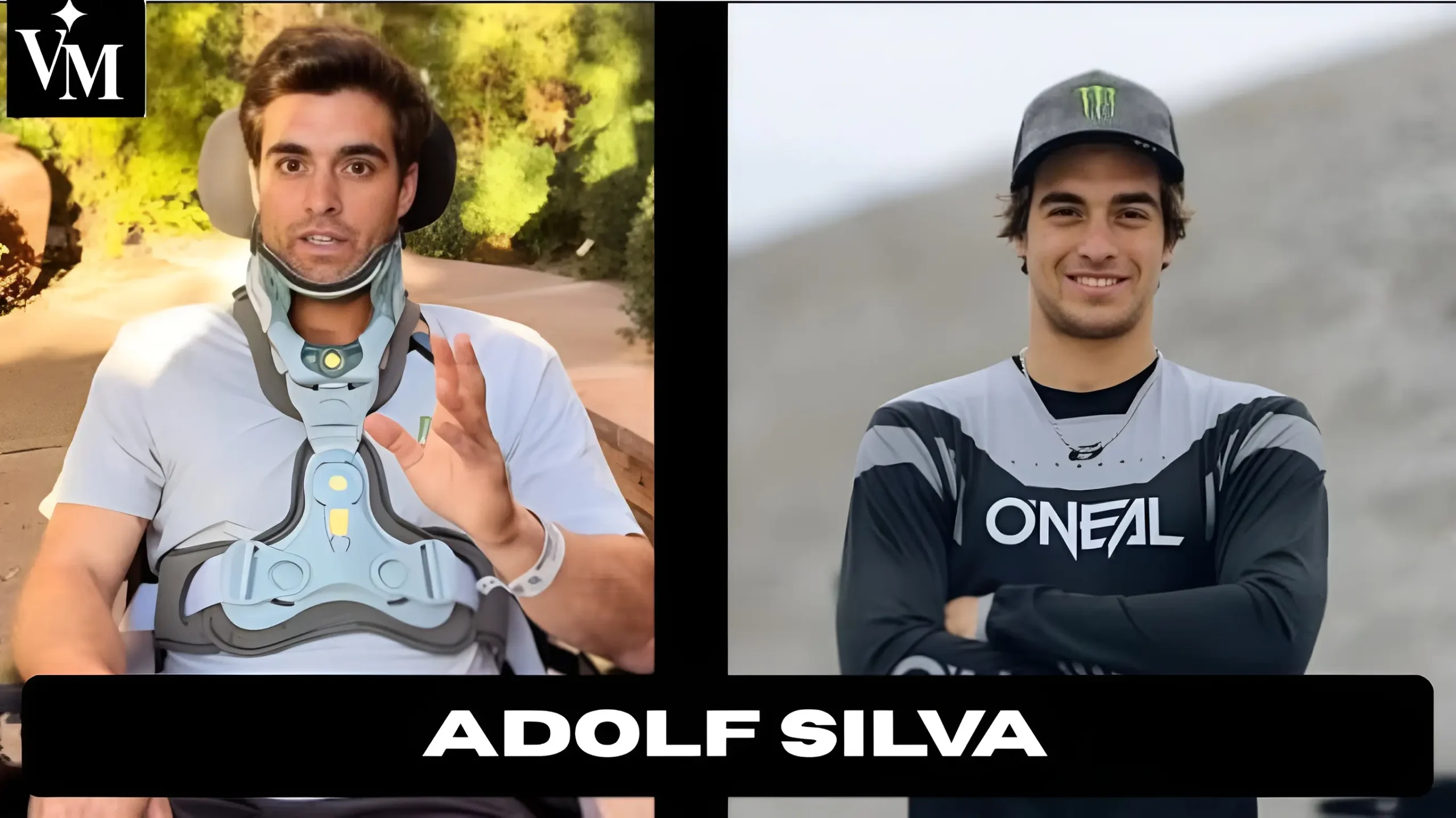
Mountain biking has produced countless talented riders throughout its modern history, but few have captured the imagination and respect of the cycling community quite like Adolf Silva. The Barcelona-born freeride virtuoso has transformed from a young dirt enthusiast into one of the most decorated and influential extreme mountain bikers of his generation. His journey—marked by audacious technical achievements, world-class competition victories, and remarkable personal resilience—represents far more than individual sporting accomplishment. Adolf Silva’s story embodies the evolution of modern freeride culture, the relentless pursuit of progression, and the human capacity to overcome extraordinary challenges with grace and determination.
The Early Days: From Barcelona Streets to Global Recognition
Adolf Silva’s relationship with mountain biking began not at championship stages or professional venues, but on the dusty trails surrounding Barcelona. At just seven years old, Silva discovered the simple joy of riding a bike through dirt and natural terrain. What started as childhood exploration quickly transformed into genuine passion. The young rider spent countless hours perfecting his craft on local Barcelona trails, developing the fundamental skills and fearless mentality that would define his entire career. By adolescence, his talent was unmistakable—Adolf Silva had already begun demonstrating abilities that separated him from his peers.
The pivotal moment in Silva’s early career came at age sixteen when he asked his grandmother for a BMX bike. This seemingly small request became the catalyst for what would become an internationally renowned career. It was during this period that Adolf Silva’s talent caught the attention of Georg Fechter, the owner of Masters of Dirt—one of the most prestigious touring spectacles in the global mountain biking circuit. When Silva successfully executed his first double flip in front of Fechter, the professional recognized genuine potential. Fechter offered Silva a position in the Masters of Dirt show, validating years of dedicated practice and marking the beginning of his transition from local rider to international competitor.
This early recognition established a pattern that would characterize Adolf Silva’s entire professional trajectory: taking calculated risks, pushing technical boundaries, and consistently delivering performances that exceeded expectations. What differentiated Silva from merely talented young riders was his combination of technical mastery and willingness to continuously evolve his skill set. While many riders became comfortable with existing tricks and techniques, Adolf Silva constantly sought new challenges and innovative approaches to the sport.
Rising Through the Ranks: Championships, Victories, and the “Mountain Bike Wonder”
As Adolf Silva matured as a professional athlete, his reputation grew exponentially. Competing across multiple prestigious freeride circuits, Silva compiled an impressive roster of championship titles and significant victories. His performances at international competitions demonstrated not only technical proficiency but also the mental fortitude required to perform consistently at the highest levels of extreme sports.
Among his most celebrated accomplishments was a legendary ride that became instrumental in earning Silva the community nickname “Mountain Bike Wonder.” This recognition came following his conquest of a treacherous route from the base to the summit of the Sierra Nevada Mountain range. The achievement wasn’t merely about completing a difficult course—it represented the kind of bold, progressive thinking that has always characterized Adolf Silva’s approach to riding. The feat captured global attention and solidified his status as one of the sport’s most innovative and fearless practitioners.
The pinnacle of competitive freeride mountain biking centers on two major series that represent the sport’s ultimate challenges: Red Bull Rampage and Crankworx. Adolf Silva’s participation and success in these competitions underscored his position among the world’s elite riders. Rampage, in particular, has become synonymous with the most extreme, technical freeride riding on the planet. The competition takes place on naturally diverse terrain where riders must navigate massive drops, natural features, and unpredictable landscapes at incredible speeds. Crankworx represents another critical proving ground, showcasing multiple disciplines and attracting the globe’s top mountain biking talents.
Silva’s consistent performances at these elite competitions demonstrated several critical qualities that separated him from competitors:
- Technical Precision: His ability to execute complex tricks and maneuvers in dangerous terrain
- Mental Resilience: Remaining calm and focused during high-pressure competition situations
- Progressive Mindset: Constantly introducing new tricks and techniques rather than relying on established methods
- Adaptability: Quickly adjusting to different terrain, weather conditions, and competitive circumstances
- Risk Assessment: Maintaining the balance between pushing limits and maintaining personal safety
The Art and Science of Freeride Excellence: Understanding Adolf Silva’s Riding Philosophy
What truly distinguished Adolf Silva from his contemporaries was not merely his winning record or technical abilities, but his comprehensive approach to the sport itself. Adolf Silva understood that competitive freeride excellence required far more than physical ability and courage. It demanded deep knowledge of terrain, meticulous preparation, psychological resilience, and continuous learning.
Freeride mountain biking differs fundamentally from other cycling disciplines. Rather than competing on pre-established tracks or courses, freeride athletes navigate natural terrain with minimal predetermined routes. This requires extraordinary spatial awareness, rapid decision-making capabilities, and the ability to improvise when circumstances change. Adolf Silva’s dominance in this environment reflected his superior capacity to read terrain, identify optimal lines, and execute technical maneuvers under conditions where mistakes could result in serious injury.
The mental dimension of Adolf Silva’s excellence should not be underestimated. Competing in an extreme sport where errors carry significant consequences demands exceptional psychological fortitude. Silva developed a distinctive mindset that allowed him to function effectively in high-stress situations. Rather than allowing fear to paralyze decision-making, he transformed anxiety into heightened focus. This psychological mastery became evident in his performance across multiple championships, where Silva frequently delivered his best riding precisely when pressure was most intense.
Training methodologies for freeride riders like Adolf Silva differ substantially from traditional cycling preparation. While maintaining exceptional physical fitness remained essential, much of Silva’s preparation involved mental visualization, terrain familiarization, and technical skill refinement. He spent extensive time studying competition courses, developing riding strategies, and practicing specific maneuvers until they became nearly automatic responses. This combination of mental and physical preparation became fundamental to his competitive success.
Case Study One: The Sierra Nevada Conquest and Progressive Riding Innovation
The ride through the Sierra Nevada Mountain range that earned Adolf Silva the “Mountain Bike Wonder” designation provides valuable insight into his approach to progression and risk management. Rather than a spontaneous stunt, this achievement represented years of accumulated skill development and strategic planning. Silva didn’t simply decide to tackle one of Spain’s most treacherous mountain ranges—he systematically prepared for the challenge through smaller accomplishments that built toward this ultimate objective.
This case study illustrates several principles fundamental to Silva’s success. First, progression occurred through incremental achievement rather than reckless ambition. Silva took on challenges that stretched his capabilities without exceeding his competencies. Second, he sought challenges that had genuine meaning within the cycling community. The Sierra Nevada achievement resonated because it combined technical difficulty with geographical significance. Third, Silva understood that reputation within professional communities stems from legitimate accomplishment rather than self-promotion. The “Mountain Bike Wonder” designation emerged organically from the riding community rather than through marketing efforts.
Case Study Two: Red Bull Rampage Performance Patterns and Elite Competitive Excellence
Adolf Silva’s record at Red Bull Rampage—cycling’s most prestigious and dangerous competition—reveals patterns about how world-class athletes maintain excellence under extreme pressure. Rampage takes place in remote Utah terrain featuring massive natural features, unpredictable conditions, and consequences for error that extend beyond typical athletic competition. The event attracts the planet’s most talented riders, all competing on identical terrain where small margins separate first place from failures.
Silva’s Rampage performances demonstrated the importance of preparation specificity. Riders receiving entry invitations typically arrive days early to study the terrain thoroughly. Silva used this reconnaissance period to develop detailed mental maps of the course, identifying optimal lines, potential hazards, and backup routes. His pre-competition preparation included multiple runs down the course at controlled speeds, gradually increasing intensity while assessing how the terrain responded to weather changes and rider passage.
During actual competition runs, Adolf Silva displayed the psychological characteristics that distinguished elite performers. Rather than attempting increasingly risky maneuvers in pursuit of competitive advantage, Silva executed technically precise riding that maximized speed while minimizing unnecessary risk. This approach frequently positioned him highly in competition standings. The competitive success Silva achieved at Rampage reflected not individual brilliance but rather systematic excellence across all performance dimensions.
The Crash That Changed Everything: October 2025 and Its Aftermath
Every athlete’s career trajectory eventually encounters moments that define character. For Adolf Silva, that moment arrived during the 2025 Red Bull Rampage competition when he attempted a double backflip drop—an incredibly technical maneuver at one of mountain biking’s most dangerous venues. During the attempt, Silva under-rotated the flip, causing his front wheel to case on the landing. The subsequent impact resulted in catastrophic spinal injuries.
The specifics of the injury underscored the severity of the crash. Silva sustained multiple fractures involving his T2 through T6 vertebrae, along with a broken sternum and six fractured ribs. Emergency surgery lasting five hours involved installing metal plates and screws to stabilize the spine. Following the procedure, medical assessment confirmed the worst possible outcome: Adolf Silva had sustained a spinal cord injury resulting in paralysis from the chest downward. He could no longer feel his legs or move his lower body.
For any athlete, such an injury would represent a career-ending trauma. For someone like Adolf Silva—whose entire adult identity centered on mountain biking excellence—the psychological impact extended far beyond physical rehabilitation. In a single moment, the professional goals he’d pursued his entire life became physically impossible. The identity he’d constructed across decades of dedication seemed suddenly irrelevant.
Yet the aftermath of Silva’s injury revealed aspects of his character that previous championships and victories could never fully illustrate. Rather than withdrawing into despair or bitterness, Adolf Silva chose a different path. His initial statement following the crash captured the essential philosophy that would guide his recovery: “Okay. Yeah, your life changed, whatever. But you can still go for it. You can still do stuff. You have to adapt to everything, but I’ve been doing everything I was doing before.”
This wasn’t false bravado or unrealistic denial. It represented genuine acceptance combined with determined pragmatism. Adolf Silva refused to allow the injury to define his capabilities or diminish his contributions to the mountain biking community. Within months of the crash, he was actively engaged in recovery, rehabilitation, and reimagining his relationship with the sport he loved.
Resilience and Adaptation: Life After the October 2025 Injury
The months following Adolf Silva’s spinal injury revealed an individual of extraordinary psychological resilience. Physical recovery from such injuries involves months of intensive therapy, psychological adjustment, and the challenging process of learning to navigate a world fundamentally different from one’s previous existence. For someone at Silva’s fitness level and with his established routines, these challenges multiplied exponentially.
Yet Adolf Silva approached rehabilitation with the same methodical, progressive mindset that had characterized his riding career. Rather than viewing recovery as merely enduring difficult circumstances, he treated it as a new form of progression requiring adaptation and innovation. Friends from the cycling community reported that Silva was actively engaged in daily therapy sessions, working systematically to maximize whatever recovery remained possible. While medical consensus indicated limited potential for spinal cord regeneration, Silva pursued rehabilitation with the understanding that maximum functional recovery required maximum effort.
The financial challenges accompanying spinal cord injuries are substantial. Ongoing medical care, adaptive equipment, home modifications, and mobility devices represent costs that extend far beyond typical health insurance coverage. Recognizing this reality, the Road 2 Recovery Foundation—a nonprofit organization with extensive experience supporting injured professional athletes—launched a comprehensive fundraising campaign on Silva’s behalf. The campaign acknowledged that Adolf Silva faced an extensive recovery journey requiring resources far exceeding what insurance would provide.
What emerged from this fundraising effort was powerful testament to Adolf Silva’s impact on the mountain biking community. The response from fellow riders, fans, sponsors, and general cycling enthusiasts demonstrated the profound respect he had earned through his professional accomplishments and personal character. More than mere financial support, the community’s response represented acknowledgment of Silva’s contributions to the sport and genuine care for his wellbeing.
The Mindset of a Champion: Understanding Adolf Silva’s Philosophical Approach
In interviews conducted months after his injury, Adolf Silva articulated a philosophical perspective that provides genuine insight into what distinguished him throughout his career. When asked about future plans, Silva revealed that he had never constructed detailed long-term strategies, even at the height of his competitive career. Instead, he operated from a present-focused philosophy emphasizing adaptability and responsiveness to emerging circumstances.
“Honestly, I had no plans,” Silva explained. “I’ve always been like this. I’ve never really, even now, I have no plans. I’m just living the moment as it is and see where that kind of takes me. There’s no point on thinking too far ahead because everything can change in a second. So you just go with life and see where it takes you.”
This perspective might appear contradictory given Silva’s success at extremely calculated activities like competitive freeride mountain biking. How could someone achieve such technical precision without detailed advance planning? The answer reveals the sophistication of Silva’s approach. His immediate, present-focused philosophy operated in the context of technical preparation and situational awareness. While he didn’t construct rigid long-term plans, he maintained exceptional focus in the moment and responsibility for immediate outcomes.
This philosophical stance proved invaluable following his injury. Rather than constructing elaborate recovery timelines or defining success through unrealistic benchmarks, Adolf Silva focused on daily progress and celebrating incremental achievements. Friends noted that he maintained his characteristic humor and warmth even during the most challenging rehabilitation periods. He refused to allow circumstances to diminish his essential character or interpersonal warmth.
Case Study Three: The Psychological Dimension of Extreme Athletic Performance
Adolf Silva’s career provides compelling evidence regarding the psychological dimensions of extreme athletic performance. Throughout his competitive journey, Silva demonstrated exceptional ability to maintain focus, manage fear, and execute complex technical maneuvers under pressure. These capabilities weren’t innate talents but rather skills developed through systematic practice and psychological training.
The psychological resilience Silva demonstrated following his spinal injury provides powerful validation of skills developed over his career. The mental disciplines he’d cultivated through years of competitive riding—maintaining composure under pressure, focusing on immediate controllables, and adapting to changing circumstances—proved directly applicable to catastrophic injury recovery. The same mindset that allowed him to remain calm during high-pressure Rampage competition enabled him to approach rehabilitation with determination rather than despair.
This case study suggests important insights for athletes and individuals facing significant challenges. While psychological resilience might appear as an inherent personality trait, it actually represents a skill set that can be developed through deliberate practice. Athletes who systematically cultivate psychological capabilities gain advantages extending far beyond their specific sports. These skills become applicable to virtually any significant challenge life presents.
Impact on Mountain Biking Culture and Community
Beyond individual accomplishments, Adolf Silva’s career and personal journey have significantly influenced mountain biking culture broadly. As one of sport’s most successful practitioners, his technical innovations shaped how subsequent generations approached freeride riding. Tricks he pioneered became foundational skills for emerging competitors. His willingness to constantly push boundaries established a cultural standard emphasizing progression and innovation over complacency.
His injury and subsequent response influenced the sport at deeper levels. Following Silva’s crash, broader conversations emerged regarding safety protocols, protective equipment, and the balance between progression and self-preservation in extreme sports. While the mountain biking community has always known that injury risks accompany extreme competition, Silva’s very public injury elevated these conversations into mainstream discussion. His openness about rehabilitation and recovery transformed the narrative from avoiding discussing injury to treating recovery as an equally important component of athletic excellence.
Furthermore, Adolf Silva’s community support campaign demonstrated the tight-knit nature of mountain biking culture. Unlike sports where athletes remain largely anonymous outside their specific disciplines, elite freeride riders maintain personal connections with fellow competitors, fans, and younger riders emerging in the sport. The outpouring of support for Silva reflected these genuine relationships and the cycling community’s commitment to supporting its members through extraordinary challenges.
The Global Impact of Adolf Silva’s Story
Adolf Silva’s journey resonates far beyond the specialized mountain biking niche. International media coverage of his injury and recovery introduced his story to audiences with no prior cycling knowledge. The narrative proved compelling precisely because it transcended sport-specific dimensions. His journey addresses universal human themes: confronting fears, pursuing excellence, responding to catastrophic change, and maintaining dignity and purpose when circumstances fundamentally shift.
Media outlets ranging from specialized cycling publications to mainstream sports journalists covered Adolf Silva’s crash and recovery. This coverage elevated awareness of both freeride mountain biking and the remarkable resilience that characterizes elite athletes. For many individuals encountering Silva’s story for the first time, his approach to adversity provided meaningful perspective on facing their own challenges.
Frequently Asked Questions About Adolf Silva
Who is Adolf Silva and what is he known for?
Adolf Silva is a professional freeride mountain biker from Barcelona, Spain, renowned for his exceptional technical abilities and innovative riding style. He earned the nickname “Mountain Bike Wonder” following his legendary ride through Spain’s Sierra Nevada Mountain range. Silva achieved numerous championship victories at prestigious competitions including Red Bull Rampage and Crankworx, establishing himself as one of the world’s most respected extreme mountain bikers before sustaining a serious spinal injury during the 2025 Red Bull Rampage competition.
How did Adolf Silva get into mountain biking?
Silva began riding bikes on dirt trails near Barcelona at age seven. His family supported his passion, and by adolescence, his talent had become evident to local riders and community members. At sixteen, after requesting a BMX bike from his grandmother, Silva demonstrated his skills to Masters of Dirt owner Georg Fechter, who recognized his potential and offered him a position in the professional touring show.
What major competitions has Adolf Silva competed in?
Adolf Silva has competed in numerous prestigious mountain biking events throughout his career. Most notably, he participated in Red Bull Rampage—considered the most demanding freeride competition globally—and Crankworx, which features multiple cycling disciplines at the world’s highest levels. His competitive record includes multiple championship titles and podium finishes across various international competitions.
What happened during the October 2025 Rampage crash?
During the 2025 Red Bull Rampage competition, Adolf Silva attempted a double backflip maneuver from an elevated drop. He under-rotated the flip, causing his front wheel to case on the landing. The subsequent impact resulted in multiple vertebral fractures (T2-T6), a broken sternum, and six fractured ribs. Emergency surgery involving spinal stabilization plates and screws was required. Medical assessment following the procedure determined that Silva had sustained a spinal cord injury resulting in paralysis from the chest downward.
Is Adolf Silva still involved with mountain biking after his injury?
Following his recovery and rehabilitation, Adolf Silva has remained connected to the mountain biking community, though his involvement has necessarily transformed. While he cannot return to competitive freeride riding, he maintains relationships with fellow riders, participates in community discussions, and continues engaging with the sport that defined his adult life. His ongoing presence within the cycling community demonstrates his deep commitment to the sport beyond his personal competition career.
How serious was Adolf Silva’s injury?
Silva sustained a catastrophic spinal cord injury with severe consequences. He experienced multiple vertebral fractures requiring surgical stabilization and developed paralysis from the chest downward. This level of injury represents one of the most serious outcomes possible in athletic competition. However, Silva has demonstrated remarkable psychological resilience in confronting this challenge and has approached rehabilitation with the same determination that characterized his competitive career.
What is the Road 2 Recovery campaign?
The Road 2 Recovery Foundation launched a comprehensive fundraising campaign supporting Adolf Silva’s long-term recovery. The campaign acknowledges the extensive financial costs associated with spinal cord injury recovery, including ongoing medical care, rehabilitation therapy, adaptive equipment, home modifications, and specialized mobility devices. Funds raised through this campaign directly support Silva’s medical expenses and contribute to his independence and quality of life following the injury.
How has the mountain biking community responded to Adolf Silva’s injury?
The response from mountain biking’s global community has been extraordinarily supportive. Sponsors, fellow professional riders, younger athletes, and fans have contributed to recovery fundraising efforts and expressed solidarity with Silva. His injury initiated broader industry conversations regarding safety protocols, protective equipment, and the balance between progression and self-preservation in extreme sports. The community’s response reflects the respect Silva earned through years of genuine accomplishment and authentic engagement with the cycling culture.
What is Adolf Silva’s current focus in recovery?
Adolf Silva has prioritized intensive rehabilitation and physical therapy while adjusting to his new circumstances. Rather than constructing unrealistic expectations, he approaches recovery incrementally, celebrating progress while remaining realistic about the limitations of spinal cord injury. His philosophical orientation toward living in the present moment and adapting to circumstances has informed his approach to rehabilitation with the same determination that characterized his competitive riding.
How has Adolf Silva’s story influenced mountain biking culture?
Adolf Silva’s career and injury have significantly influenced discussions within mountain biking communities regarding progression, safety, and purpose beyond competition. His technical innovations shaped how subsequent generations approach freeride riding. His response to catastrophic injury elevated conversations regarding recovery, resilience, and the human dimensions of elite athletic performance. His continued engagement with the cycling community demonstrates that an athlete’s value and identity extend far beyond competitive outcomes.
What are Adolf Silva’s recommendations for aspiring mountain bikers?
While Silva hasn’t issued formal guidelines for emerging riders, his career philosophy emphasizes consistent skill development, mental resilience, calculated risk assessment, and genuine love for the sport rather than pursuit of external validation. His approach suggests that progression emerges through incremental challenge, that psychological preparation matters as much as physical conditioning, and that authentic engagement with community and the sport itself sustains athletes through inevitable difficulties.
How can people support Adolf Silva’s recovery?
Individuals interested in supporting Adolf Silva’s recovery can contribute to the Road 2 Recovery Foundation campaign. Beyond financial support, the mountain biking community continues engaging with Silva through social media, maintaining community connections, and amplifying conversations regarding spinal injury recovery and adaptive mobility. Support extends beyond monetary contribution to encompassing the ongoing community connection that remains central to Silva’s identity and wellbeing.
Conclusion: The Enduring Legacy of Adolf Silva
Adolf Silva’s journey embodies the essence of what makes athletic excellence genuinely compelling. His technical achievements, championship victories, and innovations within freeride mountain biking established him among the sport’s elite practitioners. Yet his impact extends far beyond competition records and professional accomplishments. What ultimately defines Adolf Silva’s legacy is the character he has demonstrated in confronting extraordinary challenges with grace, determination, and authentic engagement with the community that supported him throughout his career.
The crash that changed his life could have marked the conclusion of his story—a tragic ending to an otherwise successful athletic career. Instead, it revealed dimensions of Silva’s character that may prove more influential than any competitive victory. His approach to recovery, his maintenance of humor and warmth during rehabilitation, and his continued engagement with mountain biking culture demonstrate that athletic excellence represents only one expression of human capability. True excellence encompasses how individuals respond when circumstances fundamentally shift, when previous identities no longer apply, and when the future appears profoundly uncertain.
Adolf Silva’s story will continue evolving in ways that current moments cannot predict. Regardless of specific developments in his recovery or future activities, his impact on mountain biking culture appears permanent. He has redefined what it means to be an athlete, expanded understandings of resilience and adaptation, and demonstrated through lived experience that identity and purpose need not depend exclusively on individual competitive outcomes. For the mountain biking community and for anyone confronting significant life challenges, Adolf Silva’s example provides genuine inspiration rooted not in false positivity but in authentic human courage and persistent determination to engage fully with whatever circumstances life presents.
For More Visits: Value Magazine
Also Read: Jennifer Nicholson: Ultimate Success Guide

