



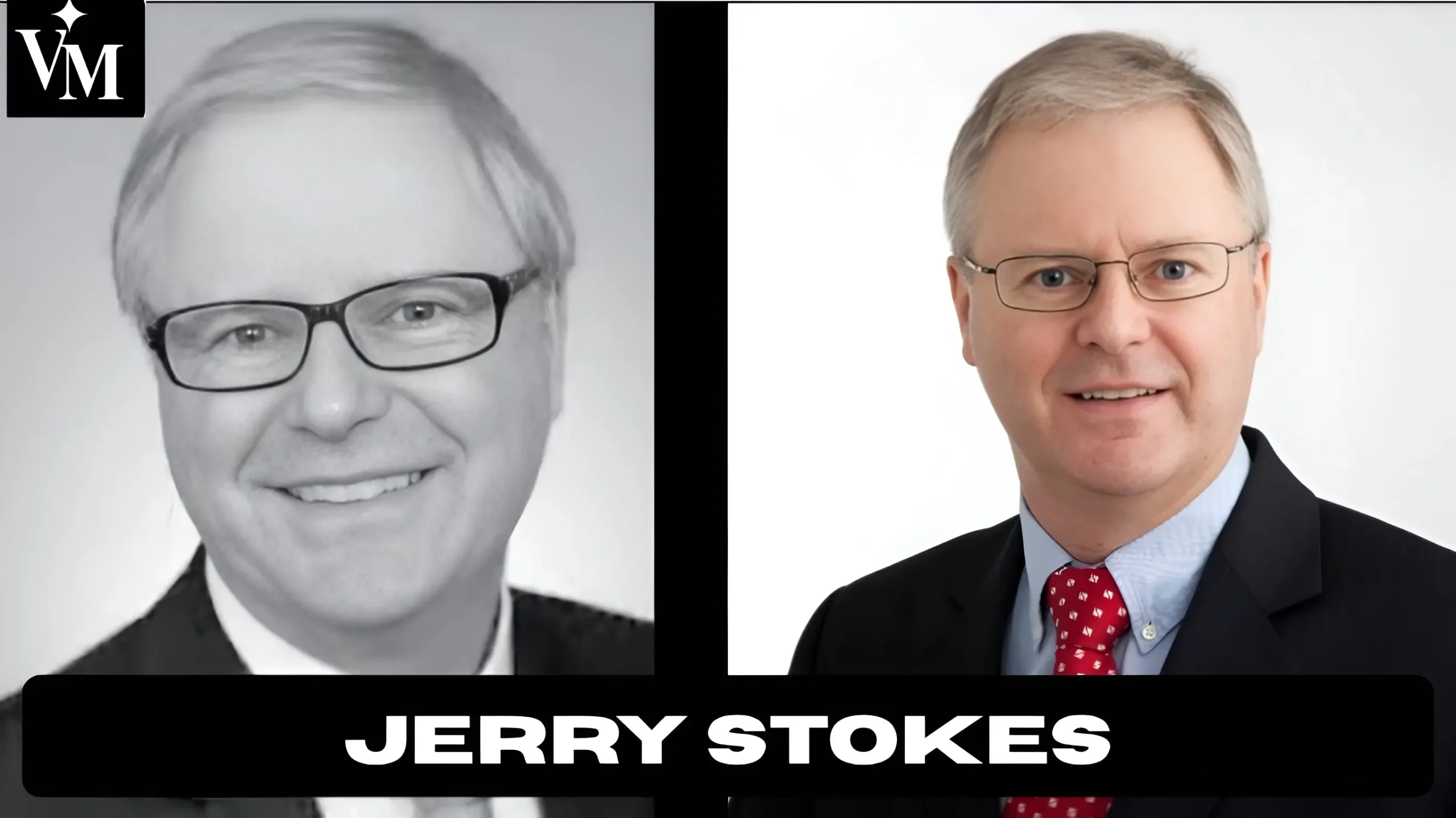
Jerry Stokes stands as one of the important people in the global renewable energy industry combining deep knowledge of science with strong leadership to help the world use clean energy more widely. His career path shows a journey from working in a lab to making decisions that have changed how energy is used in many parts of the world. Now as Executive Chairman of Gridserve and Senior Advisor to the Global Solar Council Jerry Stokes keeps working to change how energy is made sent and used.
The importance of Jerry Stokes work goes beyond his own successes. His influence reaches into government advice rules that shape the world and real projects that now power homes and businesses around the globe. In a time when climate change’s one of the biggest problems facing the world people like Jerry Stokes show how important it is to mix science with strong leadership to create real big solutions.
Early Career: The Foundation of Technical Excellence
Jerry Stokes began his career in 1988 when he joined the energy field as a sales engineer working with amorphous silicon thin-film technology. This first job was more than a starting point—it was where he built the knowledge that would shape his work for many years. During this time Jerry Stokes learned a lot about photovoltaic materials science, how to make things and the real problems of bringing solar technologies into the market.
The work with silicon thin-film technology in the late 1980s and early 1990s was very important. This was a time when different ways of making power were competing for attention. Amorphous silicon had some features like working better in low light and being made at lower temperatures than other options. By focusing on this area Jerry Stokes gained an understanding of the science and the real problems of making solar power work in the real world.
What made Jerry Stokes stand out in these years was his ability to connect new ideas with real business needs. As a sales engineer he wasn’t just telling people about products—he was learning how the needs of the market how things were made and what customers wanted helped create technologies. This way of thinking was very useful in his career as he always found ways to move between research and real business needs.
The energy world in the 1980s was very different from today. Renewable energy was seen as something and there were not many people supporting it.. Jerry Stokes decided to build his career in this area showing he had both a good sense of the future and strong belief in what he was doing. He saw that even though solar power had its limits and problems it was a change in how people could make energy.
The Suntech Era: Building a Solar Power Giant
The time in Jerry Stokes career came when he became the European President at Suntech, one of the biggest solar companies in the world. This job was a moment not just for his career but also for the whole renewable energy industry. Under his leadership Suntech reached a goal: becoming the first company in Europe to sell 1 gigawatt (1GW) of solar panels in a year.
This achievement was very important in history. Getting to 1GW in production meant that solar power could grow to a size be competitive in cost and be a real option for energy. When Jerry Stokes led Suntech to this goal it showed investors, people who make rules and the whole energy world that solar power had value.
The path to this goal had tough challenges:
- Making more: Growing production while keeping quality and cost down
- Supply chains: Building strong networks of suppliers in different European places
- Selling more: Creating demand for solar power in places where it was not yet popular
- Rules and laws: Working with different rules in many European countries
- New tech: Making sure the way things were made kept up with new changes in the industry
Jerry Stokes success in this job showed more than just business skills. It showed he really understood the industrys needs the patience needed to build real advantages and the vision to help a company do well in a new market. His work at Suntech didn’t just reach numbers—it set up ways that the solar industry later used for making and selling things.
The effect of Jerry Stokes work at Suntech went beyond his company. By showing that European solar making could grow and make money his leadership helped other companies see how to work in Europe. The lessons from this time—about making checking quality getting supplies and building markets—became the basics that later companies used and improved.
Transition to International Executive Leadership
After doing in the solar making part of the business Jerry Stokes career moved into bigger and more important leadership roles around the world. This change showed how much people respected his skills and how important clean energy was becoming in talks. His job as Senior Advisor to the Global Solar Council put him in a position where he helped shape the future of the industry gave advice on rules and helped with new ideas and market development.
The Global Solar Council is a group in the world of clean energy bringing together people from the solar industry government groups and other organizations. By being a Senior Advisor Jerry Stokes helps decide where the solar industry should go gives ideas for rules and helps with technology and market plans. This job needs more than technical knowledge—it needs the ability to work with different groups and understand many different points of view.
At the time Jerry Stokes job as Executive Chairman of Gridserve showed that people believed in his leadership and his ability to run a modern energy company. Gridserve is a company that makes energy solutions for how energy is used and sent. Leading such a company needs to understand different areas of technology know how the market is changing and have the ideas to help the company stay strong in a fast-moving energy world.
Global Influence: United Nations and International Advisory Roles
Jerry Stokes influence grew more when he joined the United Nations Secretary-Generals Advisory Group on Energy and Climate Change. This job showed that people around the world saw him as an expert and that the private sector had a role in solving global energy and climate problems. Being part of this group needs more than knowledge—it needs the ability to understand complex rules see the bigger picture of energy changes and give ideas that help shape new rules around the world.
Jerry Stokes also worked as an advisor to the Director-General of UNIDO (United Nations Industrial Development Organization). UNIDO focuses on making industry in a way that helps the world. This is a place for talks about making industry cleaner and better. His knowledge of power and business was very helpful here as problems in developing countries often involve building better energy systems and using clean energy in existing factories.
These United Nations jobs show one of the important parts of Jerry Stokes career: his ability to work in different groups and with many different people. Working with government groups, big organizations, business leaders and scientists needs the ability to talk in ways and understand different points of view. Jerry Stokes has always done this well which is why he stays important in areas of the energy world.
Strategic Vision: The Clean Energy Transition Framework
Jerry Stokes work in the energy world goes beyond his jobs or big company achievements. He has always had a plan about how the world can move to clean energy while still growing the economy keeping energy safe and helping poor countries have better energy systems.
This plan has a main parts that have always guided his work and his advice:
Using many different types of energy: Instead of saying only one kind of clean energy is best Jerry Stokes has seen that different places need different solutions. Even though solar power has been a part of his life he knows that wind power, water power and ways to store energy all need to work together.
Making sure things can be made at a scale: From his time with Suntech Jerry Stokes knows that clean energy needs more than just new ideas—it needs to be made in big ways and at a cost that works. This view helped him focus on building factories and systems rather than just taking new ideas from others.
Creating rules that help the industry grow: Throughout his advice jobs Jerry Stokes has helped talk about the rules and incentives that can help clean energy get faster. He knows that new ideas alone are not enough—the way business works the rules made and the help given must match to make energy work well.
Working together across groups: His work with the United Nations, big organizations and businesses shows that he believes solving big energy problems needs people, from all kinds of groups. Governments, companies, scientists and people who care about the world all have to work.
The real-world effect of Jerry Stokes work can be seen in the increase of solar energy systems all around the world. When he started working in 1988 solar energy was a small part of how electricity was made. Now solar energy is one of the growing ways to make electricity. More and more countries are getting double-digit percentages of their electricity from power.
Many things have helped this growth and Jerry Stokes work has played a role in several important areas:
Market Trust: By making Suntech a trusted and big manufacturer Jerry Stokes helped show investors and customers that solar power was a real and strong energy option that deserved a lot of money to be invested in it.
Supply Chain Building: The skills and size he achieved while working at Suntech created chances for the supply chain. Showed that strong solar manufacturing systems could grow in places that didn’t have a solar industry before.
Technology Progress: His work in technology discussions advice roles and leadership has kept him involved with improving technology and how it works in real life.
Policy Impact: Through advice roles with the United Nations and other groups Jerry Stokes has helped shape the policies that support using energy.
Case Study 1: Solar Growth in Europe
The way solar energy grew in Europe shows the effect of good leadership in the energy sector. When Jerry Stokes took charge of Suntechs work in Europe solar power faced problems: high costs to make solar panels, not enough knowledge about the benefits and unclear rules about how to add solar to the existing power grids.
The moment when Suntech reached 1GW of production was a big change in the market. This level of output needed building factories creating supplier networks setting up ways to distribute products and making connections with customers in European countries. Each of these parts had its difficulties including language issues, different rules, competition and different customer needs.
The success of Suntechs work in Europe under Jerry Stokes leadership showed others that it was possible to build a solar business in Europe. Investors became more ready to fund businesses and governments started making better rules to support solar energy. The confidence and trust that Suntech created helped speed up the use of energy all over the region.
Case Study 2: Turning Ideas into Real Business
Jerry Stokes career shows how people with technical knowledge can turn new ideas into real businesses that reach a big scale. His work in amorphous silicon thin-film technology early in his career gave him knowledge about technical problems, how to make things and how they work. This knowledge helped him later when he scaled up manufacturing and gave advice on technology policies.
An example of this is how his work in manufacturing helped him understand which new ideas could actually be sold and which even if they were interesting would have trouble being used. This view made his advice more useful because he could suggest ideas that were both possible in technology and could work in the world.
Leading at Gridserve: New Energy Solutions
As the Executive Chairman of Gridserve Jerry Stokes uses his years of experience to deal with modern energy problems. Gridserve is a type of company that focuses on making the electricity system better supporting energy storage and delivery and helping solar and wind power fit into the electricity system.
This role shows how the renewable energy world has changed. Early in his career Jerry Stokes focused on making panels and growing production. Now the problems are about making the electricity grid better keeping it stable with lots of energy storing energy and connecting small sources of power. Leading a company that deals with these issues needs a mix of knowledge about energy and the way electricity systems work the rules that apply and what customers want now.
Gridserves work under his leadership helps solve problems that make it easier to use more renewable energy. As more places use wind power the electricity grid needs changes to handle energy from many different places from sources that sometimes don’t work the same and from storage systems. Companies like Gridserve with leadership deal with these real problems that decide if renewable energy can really take the place of fossil fuels in giving reliable power.
Views: Adapting Solutions for Different Places
One part of Jerry Stokes work that is very important is his understanding that good clean energy solutions need to fit different places around the world. His experience with markets working with the United Nations and doing business in many different countries has shown him that energy solutions can’t just be copied from one place to another.
Countries that are developing have energy problems than the ones that are already rich. Many don’t have electricity system don’t have money to spend on energy projects and have different rules and politics. Jerry Stokes work with the United Nations Industrial Development Organization shows how he works with these questions, where energy changes can’t follow the same path as in the developed countries.
Also different places have natural energy sources. While solar power is great in places other areas have better wind or water resources. Good global energy changes need strategies that take these differences into account while making the systems that can help all markets.
Technical Skills and People Skills
One of the important parts of Jerry Stokes career is his ability to mix strong technical knowledge with the ability to talk to people and get things done. This mix is really important in the energy world, where new ideas need to match with what is possible in politics, money and the different people involved.
Being part of the United Nations Secretary-Generals group means working with scientists experts on rules government people and business leaders—each with different ideas and goals. People who can turn these views into one plan make a big difference in making rules and getting things done.
Jerry Stokes success in these jobs shows how strong his technical knowledge is and how good he is at explaining ideas to people who don’t know much about the subject. He understands what other groups care about. Finds ways to work together even when people have different opinions.
Leading. Influencing the Industry
Beyond the jobs he has done Jerry Stokes has helped shape the energy world by sharing his thoughts on whats happening. He talks about trends in the industry new technologies and rules that help others understand what opportunities and problems they might face.
He has been in the industry for a time so he knows how things have changed over the years. This history helps him understand ideas better and see what might happen next. People trying to understand the energy world and whats coming next often get help from people like Jerry Stokes who have seen and shaped the industry for a time.
From an Idea to a Big Part of Energy
When Jerry Stokes started in 1988 clean energy was really small—just a tiny part of how electricity was made and many people thought it wasn’t practical for big use. The last few decades have changed that. Now clean energy is an growing part of how many countries make electricity. It has drawn a lot of money. Is now a main part of how governments plan for the future.
Jerry Stokes has been part of this change moving from jobs about making and growing power in new places to roles that deal with making bigger rules and how the world deals with energy changes. His career matches the change in the clean energy world from something new to something essential.
Looking Ahead: Energy Storage and Better Grids
As the clean energy world keeps getting better big problems now are about storing energy making grids better and using energy from small places. These new issues are getting attention from energy companies and from governments and international groups.
Jerry Stokes keeps working through Gridserve and in roles, which puts him in a position to help shape how these new problems are solved. Energy storage is still a problem for using more clean energy—without good and cheap storage power grids can’t work well when no sun or wind is around. Making grids better needs a lot of money and involves technical and rule issues. These problems need the mix of technical knowledge, business experience and global view that Jerry Stokes has built up over his career.
Connections and Relationships in the Energy World
The effect of people like Jerry Stokes comes in part from the networks they build and the people they work with. His positions with the Global Solar Council advice roles for groups and leadership in companies put him in places where important decisions about energy are made.
These connections are really important in technology areas, where what is happening spreads through personal links just as much as through books or official reports. Being in the middle of different people who make big choices gives a lot of power over how the energy world moves forward and how people agree on what to do next.
Being Recognized and Valued
The jobs Jerry Stokes has done and the roles he still holds show that he is respected by others in the field by groups in the energy world and by organizations. This kind of respect isn’t about personal honor but shows that smart people think his work has been really helpful to their groups and the bigger energy world.
The United Nations choosing him to be in the Secretary-Generals group and asking for his help through UNIDO shows that big groups think he knows a lot and can make good decisions. Also being the Executive Chairman of an energy company shows that investors and the board think he has a good idea of where to go and can lead well.
What the Energy Sector Can Learn
Jerry Stokes career gives some lessons for people, in the energy sector and for groups trying to speed up clean energy changes:
Technical Depth Matters: His effort to understand the technical basics of renewable energy technology affected all later jobs and suggestions. Companies gain from leaders who mix business sense with technical knowledge.
Scale Requires Focus: Getting manufacturing scale big enough to really change global energy systems needs more than just new ideas. It needs focused attention on operations building supply chains and keeping money coming in.
Policy and Industry Must Align: Good clean energy changes need agreement between technology, business plans and rules. People who can work well in these areas give value.
International Engagement Is Essential: Energy problems are around the world and good answers need work across countries and with different groups.
Frequently Asked Questions About Jerry Stokes and Clean Energy Leadership
Q1: What Are the Key Differences Between Amorphous Silicon and Crystalline Silicon Solar Technology?
Silicon thin-film solar technology, which Jerry Stokes worked with at the start of his career is different from crystalline silicon in many important ways. Amorphous silicon is made at temperatures can be put on flexible surfaces and works better in little light than crystalline ones. Crystalline silicon usually has efficiency and longer time working. Choosing between the two depends on what’s needed how much it costs and the environment. Jerry Stokes early work with silicon helped him understand these differences and what they mean for real use.
Q2: How Do Manufacturing Scale and Cost Reduction Interact in the Solar Industry?
Getting to 1GW in production capacity, which happened under Jerry Stokes leadership at Suntech shows how making more helps reduce costs. As more is made companies save money in buying parts making machines work better using workers better and moving things around. These savings make solar technology available to people, which makes more people want it. Jerry Stokes success in making more showed this process at times in the solar industry.
Q3: What Distinguishes Advisory Roles in International Energy Organizations?
Working as Senior Advisor to the Global Solar Council. As an advisor to UNIDO means putting technical knowledge together with knowing how policies are made understanding what different groups want and knowing what problems come up when putting energy solutions into place across different places. These jobs need people who can work in areas and speak between technical and policy talk. Jerry Stokes work in making things growing markets and using technology gave him the base to help in these advisor jobs.
Q4: How Have Global Electricity Markets Changed During Jerry Stokes Career?
When Jerry Stokes started in the energy field in 1988 all electricity came from burning fuel and from water. Solar and wind were parts. Now solar and wind are growing fast in countries with some places getting over half of their power from these sources. This change happened because of tech, lower prices, support from rules and people like Jerry Stokes who pushed for clean energy all through this time.
Q5: What Role Do Private Sector Leaders Play in Climate Change Mitigation?
People like Jerry Stokes in United Nations groups show that business experts are needed to make plans for fighting climate change. Business leaders and tech experts know what solutions can work, how to make them bigger and what rules would help get them used. Jerry Stokes is an example of a business leader whose ideas help shape how to fight climate change.
Q6: How Does Energy Storage Impact the Adoption of Solar and Wind Technologies?
Energy storage helps with the problem that solar and wind make electricity only when the sun is out or the wind is blowing,. People use electricity all the time. Without storage a lot of solar and wind needs backup sources. Jerry Stokes work with Gridserve is about solving this problem making tech and ways to store energy and manage the power grid.
Q7: What Leadership Qualities Have Enabled Jerry Stokes Sustained Influence in the Energy Sector?
Jerry Stokes has shown leadership traits that kept him important: knowledge of tech that helps his ideas; business sense that finds good solutions; being good at working with many groups; thinking long term about tech and market changes; and wanting to solve big energy problems. These traits helped him move between jobs and places in his career.
Q8: How Do Individual Leaders Influence Entire Industries?
People like Jerry Stokes change industries by making business choices setting the path for the groups they lead sharing new ideas that others follow, giving advice to leaders and using relationships with other important people. The overall effect of these choices means that strong leaders can help shape how industries grow.
Q9: What Qualifications Enable Effective Leadership in Clean Energy Organizations?
Good leaders in energy have a mix of things: technical classes, like in engineering or science; business experience that shows they can build and grow companies; knowing how to make rules; and really wanting to help clean energy. Jerry Stokes has all these with a start in materials science lots of business experience working on rules and always wanting to help clean energy.
Q10: How Are Global Energy Transitions Likely to Evolve Over Decades?
Energy changes will probably mean more use of solar and wind more storage for energy better power grids to handle small power sources, more cars and heating that use electricity and using new tech for managing energy. Jerry Stokes work with Gridserve and his advising jobs help shape these changes with power systems and tech.
Q11: What Makes the Global Solar Council an Important Institution?
The Global Solar Council brings together companies, governments and groups to plan share good ideas and push for rules that help solar get used more. Being Senior Advisor lets Jerry Stokes help set goals for the world and share his knowledge in talks that affect millions of people who need energy.
Q12: How Does Clean Energy Innovation Connect to Industrial Development?
Jerry Stokes job with UNIDO shows that clean energy ideas are important for building up industries in places. Manufacturing, farming, building and other industries need power. Helping them use energy helps both growing and protecting the planet. This link makes clean energy knowledge important for growing and building plans.
A Legacy of Clean Energy Leadership
Jerry Stokes is a mix of deep knowledge of tech, smart business choices and big plans that let him help clean energy grow in many places and many jobs. From being part of solar work to building Suntech into a big maker for Europe to now leading jobs that shape rules and tech around the world his work shows how staying focused on clean energy can change the world.
The move to clean energy is one of the important issues of our time—a change as big as past tech changes in how people get and use power. People like Jerry Stokes, who mix tech with business and work around the world are needed to make this change. His work with Gridserve and his advice jobs means his help will keep shaping how the world deals with energy problems in the years
More and more clean energy becomes part of regular power the knowledge and thoughts that Jerry Stokes has—deep tech understanding, business experience and wanting to help the world—become more and more important. His path from scientist to leader shows how people with tech skills can make a big difference, in big problems.
For More Visits: Value Magazine
Also Read: Jack Wilson: Elite Shortstop Dominance Guide

