



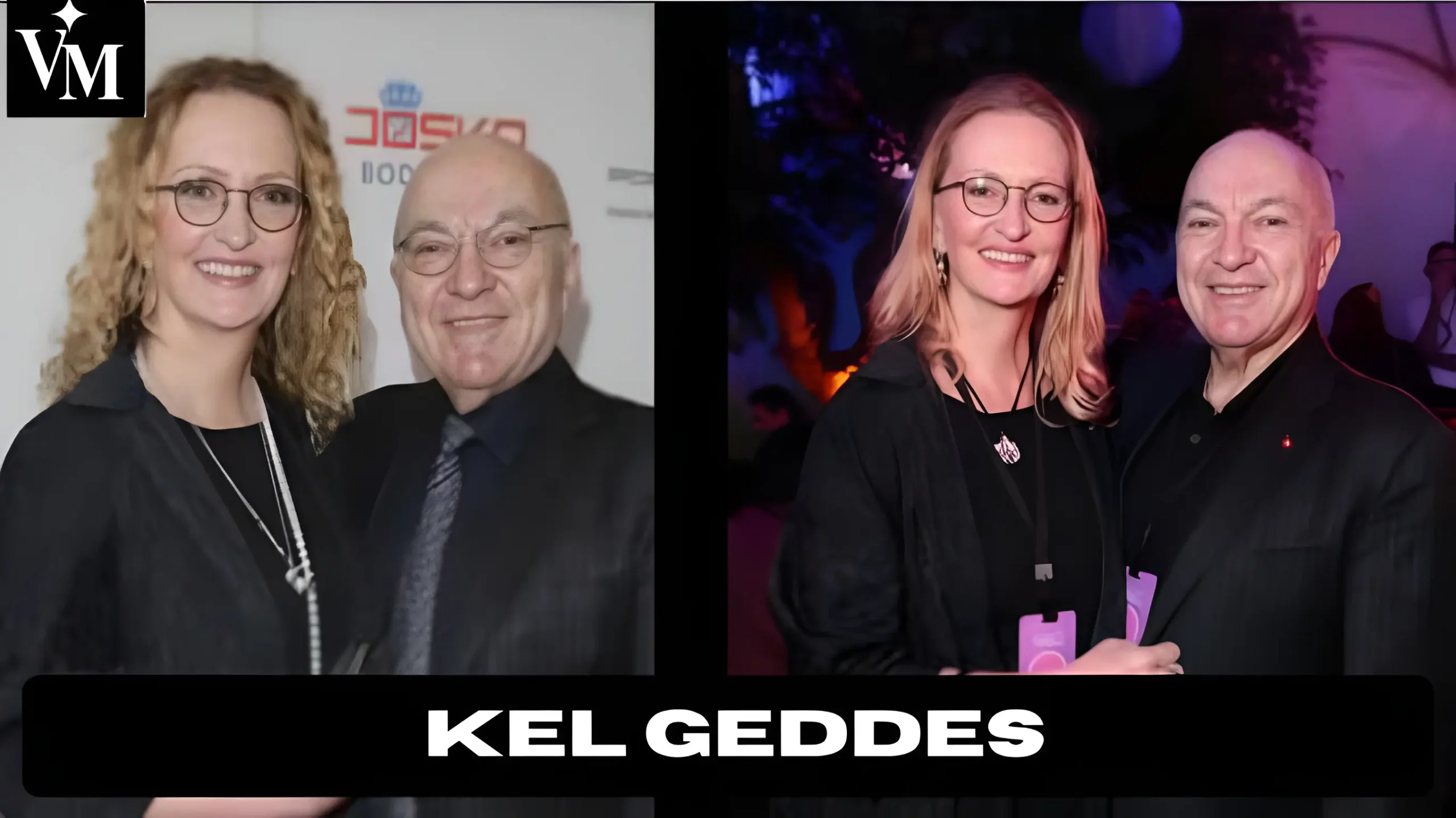
In the changing world of digital marketing and business very few people have shown the ability to create big changes across many areas of business. Kel Geddes is a person in this area bringing together many years of experience in marketing strategy, business growth and digital innovation. His way of solving business problems has been noticed by others in the industry and has helped hundreds of people who want to grow their business quickly.
This guide looks at the methods, ideas and practical steps that have made Kel Gededes career successful. If you are starting a business running an established business or working in marketing and want to get better at strategy understanding the ideas and insights that Kel Geddes has created can give you a way to move forward. This article looks at his way of planning business strategy his ideas about growing in a way and the real results his methods have given to different customers.
Understanding the Kel Geddes Approach to Digital Marketing Strategy
The base of Kel Geddes way of working is an idea that many people in marketing forget: growing in a good way needs both planning and real action. Of looking for the newest changes in rules or short-lived trends Kel Geddes believes in making marketing plans that give steady results for a long time.
At the heart of the Kel Geddes way there are important parts:
Building a Strong Plan First: Before doing any marketing actions Kel Geddes says it is important to make a firm foundation. This means knowing your customers well setting clear business goals and making sure all marketing work fits with the big picture. Many businesses fail not because the actions are wrong. Because they do not have a plan that supports those actions.
Using Marketing Channels: Instead of using only one channel for marketing the Kel Geddes way is to use many channels together. This way different parts of the audience can be. The same message can be shared across all channels. This is important because people now pay attention to different places.
Using Data to Make Decisions: Throughout his work Kel Geddes says that data is very important for making choices. But this is not about looking at many numbers—it is about finding the most important numbers that help your business and using them to make smart changes.
The Evolution of Kel Geddes Expertise in the Digital Age
Kel Geddes career shows how digital marketing has changed over time. In the days of his work digital marketing was still developing as a field. His first experiences gave him an idea of what works when there are not many people using the same channels and when competition is not too strong.
As digital marketing grew Kel Geddes changed his methods. The ways that worked in the past had to be changed for situations. His ability to see these changes and adjust his advice is what makes him different from people who keep using ways.
Moving from having an online presence to making more complex marketing plans needed new skills. Kel Geddes helped this change by focusing on:
- Customer journey mapping that goes beyond points of contact to cover all experiences
- Understanding how different steps in the customer journey affect each other
- Making personalized content that uses technology but still feels real
- Creating content that gives value to the audience instead of just trying to get more traffic
Core Principles That Define Kel Geddes Philosophy
Being Real Instead of Using Tricks
One of the main ideas in Kel Geddes work is his belief in being real. In an industry of quick solutions and tricks Kel Geddes says that real value is the right way. This is not about being honest but also about good business. Real brands get customers. Loyal customers make money. Money makes business last.
This idea is shown in the way content is made to help people of tricking them in the way customer service is better than just meeting rules and in the way marketing messages respect what people know.
Thinking About Systems and Growth
Businesses fail not because the actions are wrong. Because the actions are not part of a bigger plan. Kel Geddes says that creating marketing plans that can grow is important. A plan that needs help from the owner cannot grow. A plan with steps, clear instructions and automated parts can grow a lot.
When Kel Geddes works with businesses he looks for plans that’re
- Easy to do again and get the same results
- Possible to track and check if they are working
- Easy to improve with feedback
- Possible to give to others once they are tested
Thinking About Long-Term Value
The most important thing is that Kel Geddes always talks about making long-term value. This is very different from many in the marketing world who focus on quick results. While short-term results matter Kel Geddes says that lasting business success needs thinking about years and decades not days and weeks.
This idea influences how companies think about getting customers making content building a brand and even how the company works. A customer who comes today might be valuable for ten years. Content made today might bring traffic for years. A brand that is trusted today will be trusted forever.
Case Study 1: E-Commerce Brand Transformation Through Integrated Strategy
One example of how Kel Geddes works involved a mid-sized online store that was not growing. The company had some success using ads. Was spending more to get new customers and not getting more sales. Management was thinking about spending more money, which is a common but bad idea.
Of just spending more money Kel Geddes checked the whole way customers experience the company. He found some points:
The company did not have any useful content for customers. People who came to the website had no help to understand the products beyond details. There was no help to compare products or see how they could be used.
Customer retention was also a problem. People bought once. Did not come back showing that the experience after buying was not making them loyal.
The company had an email list. No plan to build relationships with customers or get them to come back.
The Plan
of spending more on ads Kel Geddes suggested a three-step plan:
Step 1: Build Content: Make educational content that helps people with questions and problems in the companys area. This includes guides, how-to articles and examples of how to use products. The goal is to get people through search and give real help.
Step 2: Make Customers Happy: Create a plan to talk to customers after they buy. This includes emails, tips and special offers to make them stay and buy again. The goal is to make each customer worth over time.
Step 3: Make More Ads Work: After building content and making customers happy the next step is to use ads but now with better results and lower costs.
Results
After 18 months:
- More people came to the site because of the content
- Each customer was worth more because they bought again
- Ads were cheaper because more people were already interested
- Overall money made went up a lot without more spending
- Customers were happier which made returns and problems
This example shows how Kel Geddes works: thinking about the big picture before spending more on ads.
Case Study 2: B2B Services Firm Scaling Through Authority Building
A company that offers coaching had a different problem. They had results with their clients but could not get enough new customers. Management was thinking about hiring sales people but the real problem was not having enough people to talk to.
Kel Geddes saw that the company was not known enough. Even though their clients were happy other people did not know what they did. The website was old there was not content and the company did not act like an expert.
The Plan
Kel Geddes plan was to make the company a top expert in its area:
Make Content That Shows Expertise: The company started writing articles every week about the problems their customers face. Of general advice the content was very specific and helped with real challenges.
Speak More and Be Seen: The company found events, podcasts and groups where their customers were. They planned to speak at these places to be more known.
Show How They Helped Clients: The company made stories, about how they helped past clients. These stories showed how their methods worked and what results they got.
Make Partnerships: of trying to get all the business the company found other companies that helped in the same way and made partnerships.
Results
After 12 months of this plan:
- Inbound leads increased by 520% without any increases in paid advertising
- contract value increased by 45% as a result of improved positioning and perceived authority
- Sales cycle shortened by 40% as leads were now self-qualified through the content and thought leadership process
- Employee satisfaction improved as team members took pride in the firms increasing market recognition
- The firms ability to command premium pricing improved dramatically
The Importance of Audience Understanding in Kel Geddes Methodology
One element that consistently appears in Kel Geddes approach across different contexts is deep audience understanding. Before developing strategy or tactics he invests effort in understanding the specific audience being targeted.
This goes beyond demographic data. True audience understanding encompasses:
Psychographic Profiling: What are the values, beliefs, aspirations and concerns of your target audience? What keeps them up at night? What are they celebrating? Understanding the profile of your audience enables you to craft messaging that resonates at a deeper level.
Decision-Making Processes: How do your target customers actually make purchasing decisions? What information do they seek? What objections must be addressed? Who else influences the decision? These insights dramatically improve marketing effectiveness.
Communication Preferences: Where does your audience consume information? What formats do they prefer? What types of content engage them? An understanding of communication preferences ensures your message reaches your audience through channels they actually use.
Context: How do customers in your space currently perceive competitors? What differentiators matter most? What gaps exist in market offerings? This context helps position your value proposition effectively.
Journey Mapping: At what points in their journey do customers encounter information needs? What actions and decisions occur at each stage? How can you add value at each stage? This systemic understanding prevents marketing efforts.
Kel Geddes often emphasizes that spending time on audience understanding at the outset prevents wasted effort down the line. A marketer who deeply understands the audience can make decisions about everything from content topics to channel selection to messaging approach.
Implementation Frameworks: How to Apply Kel Geddes Principles
While Kel Geddes specific recommendations vary based on business context several frameworks appear consistently in his recommendations:
The Marketing Systems Audit Framework
This framework provides an approach for evaluating existing marketing efforts:
- Channel Assessment: Which channels are currently active? What results are they generating? What is the quality of traffic. Leads from each channel? This honest assessment often reveals that certain channels are pulling resources without generating results.
- Conversion Analysis: At what points in the customer journey do potential customers drop off? Which steps have the friction? Where is the greatest opportunity for improvement? This analysis typically reveals that small improvements in conversion rates generate impact than increased traffic acquisition.
- Attribution Review: What assumptions are guiding marketing decisions? Are they based on data or intuition? Is attribution being measured accurately? Many businesses operate on assumptions about whats actually working.
- Messaging Audit: Is messaging consistent across channels? Does it speak to customer concerns? Is it differentiated from competitors? Messaging misalignment wastes marketing investment.
- Resource Allocation Review: Are resources allocated based on business impact or historical allocation? Would reallocation of existing resources to higher-impact activities improve results?
The Strategic Planning Framework
Before implementing tactical changes Kel Geddes uses a strategic planning framework:
1. Clarity: Define specific measurable business objectives. Not “increase leads” but “increase B2B leads by 200% within twelve months.” Clarity enables strategic decisions.
2. Audience Definition: Develop profiles of target customers. Who are you trying to reach? What problems do you solve for them? Why would they choose you over alternatives?
3. Positioning Development: How will you position yourself in the market? What value do you offer? Why should customers care?
4. Channel Selection: Based on where your audience’s how they prefer to receive information, which channels make sense? This prevents scattering resources across channels.
5. Content Strategy: What information does your audience need at stages of their journey? What content supports your positioning? What content drives awareness, consideration and decision?
6. Measurement Framework: What metrics will you track? How will you know if strategy is working? What are the specific benchmarks?
7. Optimization Process: How will you gather feedback? How frequently will you review performance? What is the process for adjustment?
Building Sustainable Growth: The Kel Geddes Philosophy on Scaling
One of the most valuable aspects of Kel Geddes approach is his philosophy on sustainable scaling. Many businesses grow rapidly. Then encounter painful bottlenecks that limit further growth or create burnout. Kel Geddes emphasizes that the foundation for scaling must be built before the scaling occurs.
Systematization: Document your effective processes. What are the repeatable activities that generate results? How can these be performed consistently by any team member with training?
Automation: Identify tasks that can be automated without losing the element that creates customer value. Automation frees resources for higher-value activities.
Team Development: Scaling requires people. Investing in recruiting, training and retaining team members is fundamental to sustainable growth.
Infrastructure: Do your systems and tools support the scale you’re trying to achieve? Growing from 10 to 100 clients might require tools and infrastructure than you currently have.
Measurement: As you scale accurate measurement becomes more critical. Can you measure performance in time? Do you have dashboards that illuminate where problems are occurring?
Culture Preservation: As organizations grow, maintaining the values and culture that generated success becomes challenging. Kel Geddes emphasizes that this intentionality is essential.
The Role of Content Strategy in Kel Geddes Approach
Content strategy appears consistently in Kel Geddes recommendations across business types. However his approach to content strategy differs significantly from marketing advice.
Than focusing on keyword density or publishing frequency Kel Geddes emphasizes content that genuinely serves audience needs:
Educational Content: Content that teaches specific skills provides frameworks for thinking about problems or shares relevant expertise. This content establishes authority. Provides value regardless of immediate commercial benefit.
Comparison and Decision Support: Content that helps audiences make decisions between options. This directly addresses what customers are actively seeking when they’re ready to make purchasing decisions.
Case Study and Application Content: examples of how concepts apply in real-world situations. Case studies, use cases and practical applications resonate more than principles.
Thought Leadership: Substantive perspectives on how the industry’s evolving or should evolve. This positions the business as thinking rather than merely reactive.
Foundational and Evergreen Content: Content designed to rank and drive traffic for years, not months. This long-term perspective to content investment fundamentally changes what gets published and how.
Measuring Success: The Metrics That Matter
Throughout his work Kel Geddes emphasizes that what gets measured gets managed. However he cautions against measuring the things or measuring too many things.
Than tracking dozens of vanity metrics he recommends focusing on metrics that directly connect to business objectives:
Revenue Metrics: Ultimately marketing should contribute to revenue. What is the revenue generated from customer acquisition channels? How does customer lifetime value compare across customer sources?
Customer Quality Metrics: Not all customers are equal. Which sources generate customers with the lifetime value? Which sources generate the churn? Which generate the satisfaction?
Efficiency Metrics: How does customer acquisition cost relative to customer value? How efficiently are marketing dollars being deployed? Where are the best ROI opportunities?
Growth Metrics: Is the business growing in the ways it needs to grow? Are you acquiring customers in desired segments? Are you growing faster in high-margin offerings?
Satisfaction and Loyalty Metrics: Do customers recommend you? What is churn rate? What is repeat purchase rate? These metrics often correlate strongly with long-term success than acquisition metrics alone.
Frequently Asked Questions About Kel Geddes and His Methodologies
What Makes Kel Geddes Approach From Other Marketing Consultants?
The fundamental difference lies in Kel Geddes emphasis on strategy before tactics and systems before spending. Many consultants immediately recommend increasing marketing spend across channels. Kel Geddes typically recommends an audit and strategic assessment first. Often significant improvements can be achieved through optimization of existing efforts before increasing investment.
Can Kel Geddes Methodologies Be Applied to Businesses?
Absolutely. While some of the case studies involve organizations, the principles underlying Kel Geddes approach are scale-agnostic. In fact small businesses often benefit most from approaches because they have fewer resources to waste on ineffective tactics. A small business that eliminates activities and doubles down on what works often sees more dramatic results than a larger organization.
How Long Does It Typically Take to See Results From These Approaches?
This varies based on business type and market conditions. Some improvements in conversion rate optimization might show results within weeks. Building authority and organic search presence typically requires months to years. Kel Geddes generally encourages clients to think in terms of annual goals rather, than monthly metrics recognizing that meaningful business transformation requires reasonable timeframes.
Should Businesses Implement All of Kel Geddes Recommendations Simultaneously?
No. Trying to change everything all at usually causes confusion and makes it hard to know what is actually working. Successful changes happen in stages. Big impact, easy to do changes are usually done first to build momentum and get results. More complicated or hard to do changes are done over time.
How Do Kel Geddes Principles Apply to Different Business Models?
The main ideas—thinking strategically knowing the audience building systems and creating long-term value—work for all types of businesses.. How they are used is different. A business that works with businesses has different goals than an online store or a software company. Kel Geddes way is about changing the plan to fit the business not using one plan for everyone.
What Role Does Paid Advertising Play in Kel Geddes Strategy?
Paid advertising can be useful. Kel Geddes usually suggests getting the basics right first. If the website pages aren’t working well using paid ads just makes a bad process worse. If customers aren’t staying, getting new ones costs much. Paid ads work best when they help a working process not when they are the main way to grow.
How Should Businesses Measure Whether Kel Geddes Approaches Are Working?
Businesses should set numbers before making changes. After the changes track those numbers over time. Are costs for getting new customers going down while quality stays the same? Is the value of each customer going up? Are things working better? Is money coming in more? Comparing before and after shows the proof that the changes are working.
How Does Kel Geddes Approach Emerging Marketing Technologies?
Kel Geddes is usually happy about tools that really help marketing.. He likes to think carefully before using them not just follow every new trend. The question is not “should we use this?”. Does this help us reach our goals better?” If yes using it makes sense. If it costs a lot and doesn’t help much it may not be worth it.
Can These Methodologies Be Applied to Personal Branding and Thought Leadership?
Yes. The ideas of knowing the audience creating value talking consistently and being clear about position work just as well for personal branding. Someone trying to build a brand and be a thought leader should know their audience well make content that helps that audience and keep being clear for a long time.
What Common Mistakes Do Businesses Make When Trying to Apply These Principles?
Common mistakes are not spending time understanding the audience trying to do too many things at once expecting results too soon not being consistent and going back to old ways when results don’t show. Businesses that are patient focused and consistent usually get the results.
Advanced Applications: Integrating Kel Geddes Principles with Emerging Marketing Approaches
As online marketing keeps changing the ideas that Kel Geddes talks about still matter while new ways and places come up. The main question stays the same: how do new things fit into a plan that’s about real value for people and growing over time?
New areas like using intelligence in marketing, better personalization making sure people can find things with their voice and talking with people through chat can all be looked at through Kel Geddes’ main ideas. Do these tools help understand people better? Do they give value to customers? Do they help make systems that can grow? If yes they are worth trying. If they add complexity without benefit they should be questioned.
The plan Kel Geddes suggests—thinking knowing the audience, building systems and checking how things are going—gives a strong base for dealing with whatever marketing changes come next.
The Enduring Value of Strategic Marketing Excellence
In a world where there are quick fixes tricks with algorithms and short-term thinking, the ideas and methods that Kel Geddes talks about offer a different way. His focus on making value thinking strategically making good processes and looking for the long term is different from much of what is around.
The examples and stories in this article show that businesses using Kel Geddes ideas get results. Whether a sized online store that is not growing or a company that works with other businesses and has trouble finding leads the strategies he talks about solve real problems instead of just fixing what shows up on the surface.
For business owners and marketing people who really want long-term success the lessons from Kel Geddes way give help. That help starts with looking at current marketing moves to planning that is based on knowing the audience and ends with doing things step by step that create real value over time.
The marketing people and business owners who work on learning strategies—like the people who have done well before—usually do better, than those who only follow the latest trends. In a world that is getting more competitive that kind of thinking helps more and more.
Whether you are putting these ideas to work in your business helping others learn marketing or just trying to get better at strategy the ideas and thinking in this look at Kel Geddes way give real help that comes from good results and smart business plans.
For More Visits: Value Magazine
Also Read: Rainer Andreesen: Visionary Portrait Artist

