



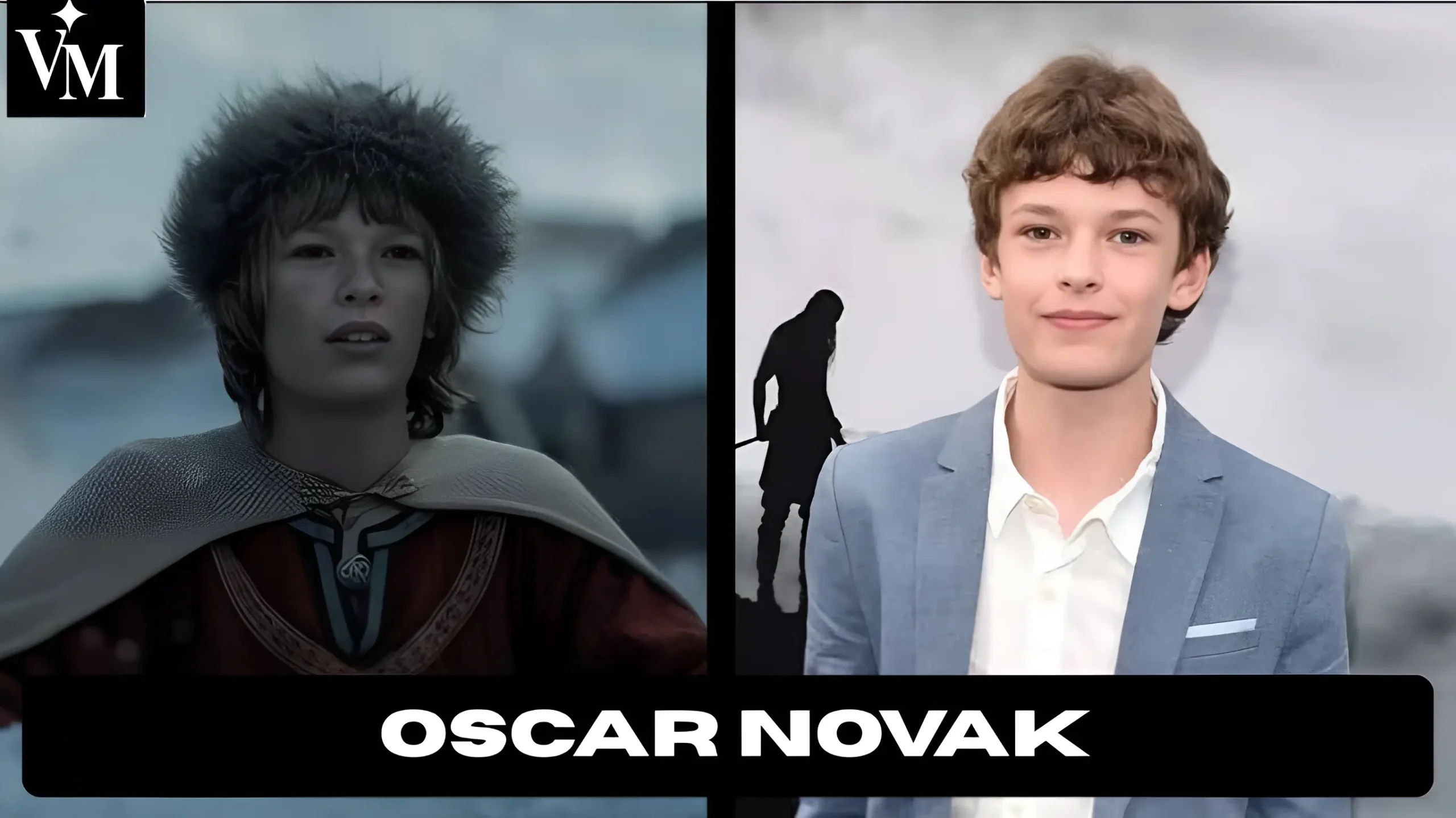
The film industry has witnessed the emergence of exceptional young talent throughout its history, but few actors arrive on the scene with the caliber of skill and maturity that Oscar Novak demonstrated in 2022. Born on January 1, 2009, this British actor quickly transitioned from relative obscurity to becoming one of the most sought-after young performers in international cinema. At just 17 years old, Oscar Novak has already accumulated a resume that many established actors would consider the pinnacle of their careers.
What distinguishes Oscar Novak from his contemporaries is not merely his ability to perform—it’s his remarkable capacity to inhabit complex, emotionally demanding characters while maintaining the authenticity and vulnerability that audiences crave. In an industry where child and young adult actors often struggle with typecasting or underwhelming performances, Oscar Novak has demonstrated an almost preternatural understanding of character psychology and emotional nuance. His performances suggest an actor who has studied the craft with significant depth, understanding not just the mechanics of performance but the philosophical underpinnings of the characters he portrays.
The trajectory of Oscar Novak’s career thus far offers valuable insights into contemporary casting practices, the evolution of superhero cinema, and the specific demands placed upon young actors in prestige film productions. His work in 2022 alone—a breakout year that saw him take on iconic roles—established him as a performer capable of carrying substantial portions of major motion pictures. Whether portraying the traumatized young orphan Bruce Wayne or the vulnerable adolescent Amleth in Robert Eggers’ ambitious Viking epic, Oscar Novak has proven his range and commitment to authentic characterization.
This comprehensive exploration of Oscar Novak’s career, methodology, and significance in modern cinema provides industry observers, film enthusiasts, and aspiring actors with a thorough understanding of how this young performer captured Hollywood’s attention and continues to shape conversations about the future of prestige filmmaking.
The Journey Begins: Oscar Novak’s Path to Professional Acting
Understanding Oscar Novak’s rise requires examining the circumstances that led a young British actor to secure roles in two of 2022’s most significant film productions. Born into the age of digital media and streaming platforms, Oscar Novak grew up in an entertainment landscape vastly different from that of previous generations. The democratization of access to performance education, combined with the proliferation of casting calls and audition opportunities, created a pathway for talented young actors to emerge from beyond the traditional gatekeepers of the entertainment industry.
Oscar Novak’s early exposure to performance arts established the foundation for his later success. The discipline required to pursue professional acting as a young person—balancing education, personal development, and the unique demands of film production schedules—speaks to his maturity and dedication. Many young actors struggle with this balance, often sacrificing educational opportunities or failing to develop the resilience necessary for a sustainable career in entertainment. Oscar Novak, however, demonstrated the capacity to maintain normalcy while navigating the extraordinary circumstances of working on major studio productions.
The significance of securing representation through established talent agencies cannot be overstated. Oscar Novak’s entry into professional auditions likely resulted from the convergence of several factors: raw talent, appropriate training, proper representation, and perhaps most importantly, the right timing. The entertainment industry operates partly on merit and partly on circumstance, and Oscar Novak benefited from casting directors actively searching for young talent capable of performing in high-stakes productions.
His early work in BBC’s Poldark during the 2019 season provided valuable experience in the television medium. While this role did not garner the international attention that would later define his career, it served as crucial professional development. Television production demands different pacing and technical proficiency than film work, and Oscar Novak’s experience in a prestige British drama series equipped him with skills that would prove invaluable when transitioning to major motion picture productions.
The Batman 2022: Oscar Novak as Young Bruce Wayne
When director Matt Reeves conceptualized his take on Batman, one of cinema’s most enduring characters, he faced a fundamental creative challenge: how to present Batman as a character experiencing his origin story with authenticity and emotional weight. Rather than relying solely on flashbacks or voice-over exposition, Reeves committed to casting a young actor capable of portraying the psychological trauma and nascent heroism of childhood Bruce Wayne.
Oscar Novak’s portrayal of young Bruce Wayne in The Batman (2022) represents a watershed moment in his career and a demonstration of his considerable range. The opening sequence showing Bruce Wayne as a child following his parents’ murder required an actor capable of conveying profound psychological damage without resorting to melodrama. The performance needed to feel authentic to a traumatized child while also containing subtle hints of the obsessive, driven individual he would eventually become.
The specifics of Oscar Novak’s interpretation deserve examination. In early childhood trauma, psychological response varies significantly from adult trauma response. A child experiencing sudden parental loss cannot process the event through adult frameworks of meaning-making or coping mechanisms. Oscar Novak captured this distinction, portraying Bruce as a child whose psychological processing remains incomplete, whose grief remains raw and unintegrated. This interpretation differs sharply from the often-stylized portrayals of young Bruce Wayne that have appeared in previous Batman adaptations.
The technical demands of performing in a major studio production on this scale cannot be underestimated. Oscar Novak needed to:
- Maintain emotional authenticity across multiple takes while performing emotionally demanding scenes
- Coordinate with established actors and professional crew members with significantly more experience
- Manage the physical demands of film production, including long shooting days and technical requirements
- Maintain focus and concentration despite the distractions inherent to large-scale productions
- Accept direction and incorporate feedback while maintaining the integrity of his character interpretation
What elevates Oscar Novak’s performance beyond competent child acting is his understanding of character continuity. Young Bruce Wayne in The Batman exists not as a separate character but as the psychological origin point of the adult Batman. Oscar Novak’s choices in portraying this younger version—his physicality, vocal qualities, and emotional landscape—establish the behavioral and psychological patterns that will evolve throughout Batman’s life. This represents sophisticated character work that demonstrates Oscar Novak’s understanding of narrative architecture and character development.
The performance also benefits from Oscar Novak’s willingness to embrace vulnerability. Child actors often attempt to portray toughness or precocious competence to compensate for their age. Oscar Novak instead permitted the character to remain in his actual vulnerability, allowing the power of the moment to derive from authentic emotional response rather than affected maturity. This approach generated greater audience connection and investment in the character’s subsequent journey.
The Northman: Oscar Novak’s Complex Viking Warrior
While The Batman established Oscar Novak as a capable performer in a prestige production, his role in Robert Eggers’ The Northman (2022) demonstrated his ability to hold his own alongside internationally acclaimed actors in an ambitious, complex narrative structure. Eggers’ films are known for their demanding performances and meticulous attention to atmospheric and psychological detail. The Northman, depicting a Viking prince’s journey across the Norse world, required actors capable of embodying both the physical demands of period filmmaking and the psychological complexity of characters navigating questions of honor, revenge, and destiny.
Oscar Novak’s portrayal of young Amleth—the younger counterpart to Alexander Skarsgård’s adult warrior—required distinct characterization choices. While Bruce Wayne in The Batman exists in traumatic shock, Amleth exists in righteous fury tempered by helplessness. As a child forced to flee his homeland after his father’s murder and his uncle’s usurpation of the throne, young Amleth carries the weight of inherited obligation and the burning desire for vengeance. Yet he also possesses limited agency and understanding, experiencing his circumstances through the lens of childhood perception.
Oscar Novak captured this duality with impressive sophistication. The character needed to demonstrate:
- The physical capacity to perform action sequences and physical labor appropriate to Viking culture
- Emotional depth sufficient to establish the psychological foundation for Skarsgård’s vengeful adult character
- The ability to convey internal conflict between duty, fear, and childhood limitations
- Nuanced understanding of cultural context and Norse worldview
- Intensity and commitment appropriate to Eggers’ exacting performance standards
The Northman demanded performance work significantly more physically demanding than The Batman. Viking-era survival and labor required sustained physical performance, often in challenging environmental conditions and period-appropriate contexts. Oscar Novak’s willingness to engage fully with these demands speaks to his professional commitment and physical discipline. Few young actors possess both the technical performance skill and the physical resilience required for the type of work Eggers demanded.
Eggers’ directorial approach emphasizes psychological authenticity and historical accuracy in performance. His actors undergo significant research and preparation to understand the worldview and behavioral patterns of their characters. Oscar Novak’s work with Eggers presumably included this type of deep character preparation, further evidence of his sophisticated approach to performance. Young Amleth cannot be portrayed authentically without understanding Norse concepts of honor, duty, and fate—abstract concepts that require intellectual engagement beyond typical child acting.
The presence of established actors including Ethan Hawke and Nicole Kidman required Oscar Novak to hold his own in scenes with actors of tremendous experience and screen presence. This type of environment challenges young actors to maintain focus on their character work rather than becoming intimidated by the prestige and skill of their scene partners. Oscar Novak’s ability to deliver committed, authentic performances alongside these acclaimed actors demonstrates his confidence and professional maturity.
Television Work and BBC’s Poldark: Establishing Broadcasting Credentials
While Oscar Novak’s 2022 film roles capture most critical attention and audience focus, his earlier work in BBC’s Poldark deserves recognition as formative professional experience. The role of Jeremy Poldark during the series’ fifth season (2019) provided Oscar Novak with exposure to the specific demands of television production and serial narrative structure.
Television drama differs from film in several crucial ways:
- Pacing and shooting schedule: Television typically operates under tighter shooting schedules with less time for rehearsal and multiple takes
- Consistency and continuity: Actors must maintain consistency across multiple episodes filmed over extended periods
- Character evolution: Television allows for extended character development across seasons, requiring actors to understand long-term character arcs
- Technical specifications: Television cinematography and performance styles differ from film, requiring adjustment in performance scale and intensity
Working in a prestige BBC drama series exposed Oscar Novak to professional standards and expectations that prepared him for the elevated demands of major motion picture production. The discipline of television—delivering professional performances consistently across multiple episodes—builds fundamental skills that transfer readily to film work. Furthermore, association with a respected British institution like the BBC carries professional credibility that enhances an actor’s reputation within the industry.
The role of Jeremy Poldark, as a character within an extended family drama, likely required Oscar Novak to understand his character’s place within a larger ensemble narrative. This type of work develops the collaborative skills and ensemble awareness that benefit any actor transitioning to larger productions.
Understanding Oscar Novak’s Acting Methodology and Craft
What distinguishes truly exceptional young actors from those whose careers plateau is their conscious engagement with performance methodology. Oscar Novak’s performances suggest an actor studying his craft with deliberate intention, not simply responding intuitively to direction. This distinction has profound implications for understanding his development as a performer and his likely trajectory.
Key elements of Oscar Novak’s apparent performance approach:
- Character psychology: His interpretations suggest deep consideration of character motivation, trauma response, and psychological development
- Historical and cultural authenticity: Work with demanding directors like Eggers requires comprehensive understanding of cultural context
- Emotional availability: His performances demonstrate the capacity to access genuine emotional states rather than performing emotions
- Physical commitment: Both roles required significant physical work, which Oscar Novak approached with discipline and professionalism
- Collaborative engagement: Working with experienced directors and actors requires the ability to accept feedback and adjust performance while maintaining character integrity
- Research and preparation: The complexity of his interpretations suggests significant preparation and character research
These elements indicate an actor approaching his work with maturity and professional seriousness. Young actors often rely on instinct and natural charisma; exceptional young actors develop conscious technique and methodology. Oscar Novak appears to belong in the latter category.
Case Study Analysis: Character Work and Performance Choices
Examining Oscar Novak’s performances through detailed case study analysis reveals the sophistication of his character work. These specific examples demonstrate how Oscar Novak approaches complex characterization and emotional demands.
Case Study 1: The Psychological Trauma of Young Bruce Wayne
The opening sequence of The Batman presents Bruce Wayne as a child experiencing catastrophic loss. Oscar Novak’s interpretation required him to portray:
- Initial shock and disorientation: The immediate psychological response to unexpected violence
- Incomplete processing: A child’s inability to fully comprehend parental death and its implications
- Emerging obsession: Subtle behavioral markers suggesting the psychological foundation of Batman’s future obsessive nature
- Isolation and alienation: The social and emotional distance that trauma creates
Rather than performing “sadness” as an emotional expression, Oscar Novak portrayed the dissociative quality of acute trauma—the numbness, the difficulty focusing, the sense of unreality that characterizes the actual psychological experience of sudden loss. This interpretive choice generated greater audience empathy and authenticity than more overtly emotional performances might have achieved.
Case Study 2: The Internal Conflict of Young Amleth
The Northman presented Oscar Novak with a character experiencing conflicting psychological states. Young Amleth must process:
- Righteous anger at injustice: Moral clarity about his uncle’s betrayal
- Helplessness and limitation: Awareness that as a child, he cannot enact justice
- Fear of death and displacement: Practical concerns about immediate survival
- Ancestral obligation: The cultural imperative toward revenge and honor despite personal limitations
Oscar Novak conveyed these multiple psychological streams simultaneously through subtle vocal inflection, physical tension, and facial expression. The character’s internal conflict remained visible without becoming melodramatic or overwrought. This type of nuanced performance requires significant technical skill and emotional intelligence.
Oscar Novak’s Significance in Modern Cinema: Industry Impact and Future Trajectory
The emergence of Oscar Novak at this particular moment in entertainment history carries significance beyond individual performance achievement. His success reflects several important trends in contemporary filmmaking:
Evolution of young actor expectations: Contemporary prestige productions demand more sophisticated performance work from young actors than previous decades’ films typically required. Oscar Novak’s success indicates that audiences and filmmakers accept nuanced, authentic performances from young actors without insisting on artificial maturity or precocious wisdom.
Expansion of casting beyond traditional pathways: Oscar Novak’s rise suggests that talent can emerge through contemporary channels and representation systems, not exclusively through classical training institutions or family connections within the industry.
International scope of contemporary cinema: Oscar Novak’s work with American studios on major productions reflects the increasingly international nature of filmmaking. British actors now seamlessly integrate into American productions, and casting directors draw talent from global sources.
Reinvention of iconic characters: The willingness to reimagine established characters like Batman and Viking warriors through new directorial visions creates opportunities for actors like Oscar Novak to offer fresh interpretations of familiar material.
Oscar Novak’s career trajectory suggests significant future opportunities. At 17 years old, he possesses the technical skills, professional maturity, and proven capability to work on major productions. His next years will likely determine whether he evolves into an established adult performer or follows the common pattern of young actors whose careers plateau following initial success. The factors that will likely influence his trajectory include:
- Continued selection of challenging, character-driven roles rather than commercial vehicles
- Willingness to work with demanding directors who push performance boundaries
- Maintenance of privacy and normalcy during the intense scrutiny of early success
- Ongoing commitment to craft development and performance methodology
- Careful management of public persona to maintain professional credibility
The Importance of Privacy and Normalcy: Oscar Novak’s Balanced Approach
A frequently overlooked aspect of Oscar Novak’s professional life deserves recognition: his apparent commitment to maintaining privacy and normalcy despite his rising prominence in the entertainment industry. During his work on The Batman, Oscar Novak famously kept his high-profile Hollywood role secret from his school classmates, maintaining a separated compartmentalization between his professional and personal life.
This approach carries significant psychological and practical importance. Child actors frequently experience challenges related to premature fame, loss of privacy, and the difficulty of maintaining normal development trajectories in the public eye. Oscar Novak’s apparent preference for privacy—continuing his education and maintaining school relationships despite his professional work—suggests maturity and perspective unusual in young people experiencing early success.
The ability to maintain boundaries between professional achievement and personal identity development serves several purposes:
- Psychological grounding: Maintaining relationships and activities outside the entertainment industry provides psychological stability
- Skill development: Continued education and normal social development support long-term professional growth
- Perspective: Maintaining perspective on entertainment work as professional achievement rather than identity or worth
- Sustainability: Balanced approaches to fame and professional development support longer-term career sustainability
Oscar Novak’s example suggests an approach to young actor management that prioritizes long-term development over immediate publicity and commercial exploitation.
Frequently Asked Questions About Oscar Novak
Q1: How old is Oscar Novak and when did his career breakthrough occur?
Oscar Novak was born on January 1, 2009, making him 17 years old as of 2026. His breakthrough came in 2022 when he secured roles in two major film productions released that year: The Batman and The Northman. While he had previous professional experience in the BBC series Poldark, these 2022 roles established him as an internationally recognized young actor with significant range and capability.
Q2: What specific training or background prepared Oscar Novak for professional acting?
While detailed information about Oscar Novak’s specific training background is limited in public sources, his level of performance sophistication suggests formal training in acting methodology, likely including drama school education or private coaching. His ability to work effectively with established directors like Matt Reeves and Robert Eggers indicates preparation in character analysis, emotional range development, and professional collaboration skills that typically require formal instruction.
Q3: How does Oscar Novak’s portrayal of young Bruce Wayne differ from previous Batman origin stories?
Oscar Novak’s interpretation emphasizes psychological authenticity over stylized performance. Rather than portraying young Bruce as a precocious genius or angry avenger in miniature, Oscar Novak presented a genuinely traumatized child processing loss through age-appropriate psychological mechanisms. This approach generated greater emotional resonance with audiences and established a more psychologically coherent foundation for Batman’s adult characterization.
Q4: What made Robert Eggers choose Oscar Novak for The Northman?
Robert Eggers is known for his meticulous casting process and demanding performance standards. Oscar Novak’s selection likely resulted from his demonstrated ability to commit fully to character development, his willingness to engage in physically demanding work, and his capacity to understand complex psychological and cultural contexts. Eggers’ films require actors capable of sustaining intensity and authenticity across extended productions, qualities Oscar Novak has demonstrated.
Q5: Will Oscar Novak continue acting in film and television?
Given his early success and demonstrated commitment to the craft, continued professional acting seems likely. Oscar Novak’s selection of roles thus far suggests preference for character-driven, prestige productions over commercial vehicles. If this pattern continues, his career trajectory will likely follow similar paths to other young actors who establish themselves through acclaimed performances in significant productions.
Q6: How does Oscar Novak’s career compare to other young actors who became successful?
Oscar Novak’s breakthrough at age 13 and his immediate placement in two major productions within the same year is unusually accelerated. Many successful young actors experience more gradual career development through television and smaller film roles before securing major studio work. Oscar Novak’s rapid progression suggests exceptional capability and potentially significant industry backing from representation and established directors who recognized his potential.
Q7: What challenges might Oscar Novak face as he transitions to adult roles?
Young actors transitioning to adult roles frequently encounter typecasting or difficulty escaping their breakthrough characters’ shadows. Oscar Novak will likely need to pursue deliberately varied roles that demonstrate range beyond his early work. Additionally, maintaining the balance between professional development and personal life becomes increasingly complex as actors age and assume greater independence.
Q8: How does Oscar Novak maintain normalcy while managing professional success?
Oscar Novak’s apparent strategy involves compartmentalization—maintaining school relationships and educational pursuits separately from professional work. This approach requires strong personal boundaries, supportive family and professional guidance, and commitment to normalcy despite external pressures toward publicity and commercial exploitation. His documented preference for privacy during early success supports this interpretation.
Q9: What future roles would suit Oscar Novak’s apparent skills and interests?
Based on his demonstrated work, Oscar Novak appears suited for character-driven roles in prestige productions, period dramas requiring historical and cultural authenticity, and psychologically complex characters requiring emotional depth. His apparent preference for working with challenging directors suggests continued selection of roles in acclaimed productions rather than mainstream commercial cinema.
Q10: How has Oscar Novak influenced perceptions of young actors in prestige filmmaking?
Oscar Novak’s success contributes to broader shifts in how prestige filmmakers approach casting young actors. His performances demonstrate that audiences accept sophisticated, nuanced interpretations from young performers without demanding artificial precocity or mature wisdom. This evolution allows directors greater creative latitude in casting and encourages continued development of young talent.
Conclusion: Oscar Novak’s Continuing Significance
Oscar Novak represents an exemplary case study in young actor development within contemporary cinema. His emergence in 2022 with dual major roles, his demonstrated commitment to sophisticated characterization, and his apparent balance between professional achievement and personal development distinguish him among his generational cohort.
The trajectory of Oscar Novak’s career thus far provides valuable insights for industry professionals, aspiring actors, and film enthusiasts. His work demonstrates that exceptional young talent can emerge within contemporary entertainment systems, that prestige filmmakers increasingly demand sophisticated performance work from young actors, and that sustained career success requires commitment to craft development beyond initial breakthrough roles.
As Oscar Novak continues his professional evolution, his decisions regarding role selection, collaborating directors, and career development will largely determine whether his early success represents the beginning of a significant career or remains a notable achievement within a shorter professional arc. The patterns established thus far—preference for character-driven roles, willingness to work with demanding directors, commitment to privacy—suggest that Oscar Novak approaches his career with maturity and perspective likely to support sustained professional development.
For audiences and industry observers, Oscar Novak’s continuing work deserves attention as an example of young acting talent meeting demanding contemporary standards while maintaining the personal grounding and psychological stability necessary for long-term professional sustainability.
For More Visits: Value Magazine
Also Read: Lionel McGloin: Master Satirist Dominating

