



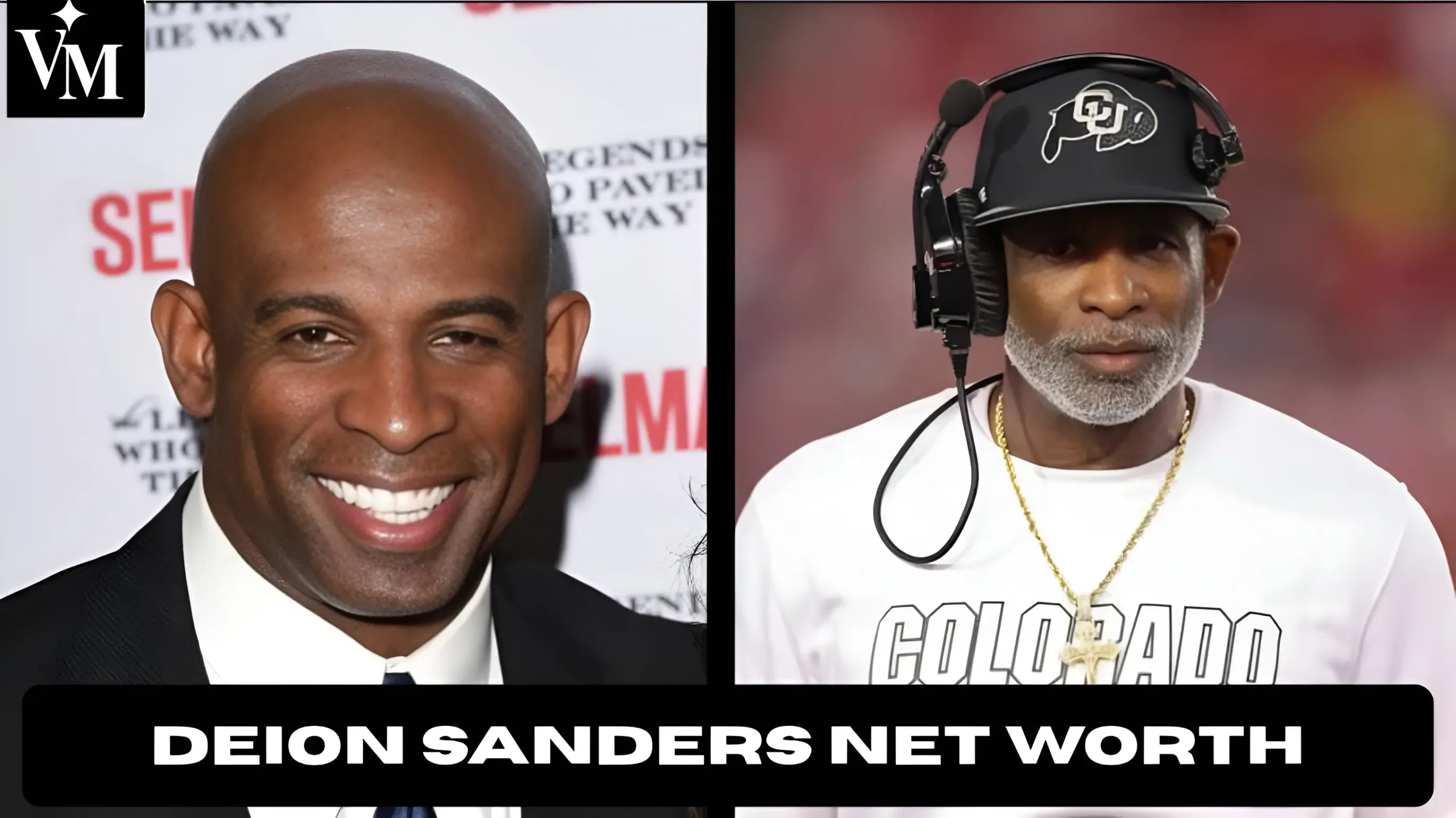
Deion Sanders is one of the most recognizable personalities in American sports history. Known by his famous nickname “Prime Time,” Sanders built an extraordinary career through professional football, baseball, sports broadcasting, coaching, and business opportunities. His confidence, athletic ability, and larger-than-life personality helped him become much more than an ordinary professional athlete. Over several decades, he transformed his sporting success into a recognizable personal brand that continues to attract attention.
Today, interest in Deion Sanders net worth reflects more than curiosity about a famous athlete’s bank account. People want to understand how he accumulated his wealth, how much money he earned during his professional sports career, what he makes as a college football coach, and how his business activities contribute to his financial position. His journey offers an interesting example of how athletic talent, public recognition, and professional opportunities can combine to create long-term financial success.
Sanders became famous for his remarkable performances in the National Football League (NFL), where he played for several major franchises. At the same time, he pursued professional baseball, an unusual achievement that separated him from many other athletes. His ability to compete at the highest level in two professional sports made him a unique figure in American entertainment and athletics.
However, his financial story did not end when he retired from professional competition. Sanders later entered broadcasting, developed business relationships, and eventually became one of the most discussed coaches in college football. His coaching positions, particularly at Jackson State University and the University of Colorado Boulder, brought renewed attention to his career and earning potential.
This article explores Deion Sanders’s financial journey, professional achievements, coaching career, business activities, and the factors that influence estimates of his net worth.
Who Is Deion Sanders?
Deion Luwynn Sanders, popularly known as Deion Sanders, is an American former professional football and baseball player, sports analyst, and football coach. Born on August 9, 1967, in Fort Myers, Florida, he became famous for his exceptional athletic abilities and entertaining personality.
During his playing career, Sanders established himself as one of the most talented defensive backs in professional football. His speed, confidence, and ability to change the outcome of games made him a difficult opponent for offensive players. He was particularly famous for his interception returns, defensive touchdowns, and ability to perform under pressure.
Sanders attended Florida State University, where he played college football and baseball. His performances attracted attention from professional sports organizations, eventually opening doors to both the NFL and Major League Baseball.
What made Sanders especially interesting was his willingness to pursue two demanding professional careers simultaneously. While many athletes concentrate on one sport, he competed in both professional football and baseball.
His football career included appearances for several teams, including:
- Atlanta Falcons
- San Francisco 49ers
- Dallas Cowboys
- Washington Redskins
- Baltimore Ravens
He also played professional baseball for organizations associated with the New York Yankees, Atlanta Braves, Cincinnati Reds, and San Francisco Giants.
Beyond sports, Sanders developed a recognizable public identity. His nickname, fashion choices, confidence, and memorable performances helped establish him as a personality with commercial appeal.
His later transition into coaching introduced him to another generation of sports fans. Instead of being recognized only for his playing achievements, he became known for developing football programs and attracting talented players.
Deion Sanders Net Worth: How Much Is He Worth?
The subject of Deion Sanders’s wealth attracts considerable attention because he has earned money from several professional activities over the years.
Although numerous online publications publish estimates of his net worth, there is no publicly verified financial statement that establishes his exact personal wealth. His complete financial position is not available to the public, and estimates can differ depending on which assets, expenses, contracts, investments, and liabilities are included.
This distinction is important because career earnings and net worth are not the same thing.
Career earnings represent the money someone receives from professional activities over time. Net worth represents the value of everything a person owns after subtracting outstanding debts and liabilities.
For example, an athlete might earn millions through professional contracts but also spend substantial amounts on taxes, property, business expenses, investments, and personal commitments.
In Sanders’s case, his financial history includes several potential income sources:
- Professional football contracts.
- Professional baseball contracts.
- College football coaching compensation.
- Television broadcasting and sports commentary.
- Advertising and endorsement arrangements.
- Business partnerships and commercial opportunities.
- Personal branding and public appearances.
Because these income sources developed across different periods, calculating his complete financial position requires more than adding together publicly reported salaries.
His wealth should therefore be understood through his professional earnings, business activities, and long-term career opportunities rather than relying entirely on one internet estimate.
Early Life and the Beginning of His Financial Journey
Deion Sanders’s financial journey began long before he became a professional athlete.
Growing up in Fort Myers, Florida, Sanders developed an interest in sports at an early age. He demonstrated natural athletic ability and became involved in several sporting activities during his school years.
His childhood experiences helped shape the competitive personality that later became one of his defining characteristics.
Sanders attended North Fort Myers High School, where he developed his reputation as an outstanding athlete. His performances in football, baseball, and basketball demonstrated his versatility.
Being successful in multiple sports gave him opportunities that many young athletes never receive. His ability to compete in different environments eventually became an important part of his professional identity.
After graduating from high school, Sanders attended Florida State University.
At Florida State, he became an important member of the football program. He played defensive back and developed into one of the most recognizable college football players of his generation.
He also continued playing baseball, demonstrating that his athletic abilities were not limited to one sport.
His college years were important financially because they positioned him for professional opportunities. Although college athletes during that period did not benefit from today’s name, image, and likeness arrangements, Sanders’s performances helped establish a personal reputation that later became commercially valuable.
His early achievements created the foundation for a career that would eventually extend far beyond professional sports.
Professional Football Career and Its Contribution to His Wealth
Professional football became one of the most important sources of Deion Sanders’s career earnings.
In 1989, Sanders entered the NFL Draft and was selected fifth overall by the Atlanta Falcons.
His arrival in professional football immediately attracted attention. He possessed exceptional speed, confidence, and defensive instincts, allowing him to compete against some of the league’s most talented offensive players.
His ability to cover receivers, intercept passes, and return the football for touchdowns made him a valuable defensive player.
Atlanta Falcons
Sanders began his NFL career with the Atlanta Falcons.
During his time with the Falcons, he established his reputation as an exciting defensive back. His performances helped introduce the nickname “Prime Time,” which became closely associated with his public identity.
His athletic ability and entertainment value made him one of the league’s most recognizable young players.
Professional football also provided him with opportunities to earn money through contracts, bonuses, and commercial arrangements.
While his exact personal financial records from this period are not publicly available, his NFL career established the foundation of his long-term financial success.
San Francisco 49ers
Sanders later joined the San Francisco 49ers for the 1994 NFL season.
This move became one of the most memorable chapters of his football career.
The 49ers were an established championship organization, and Sanders played an important defensive role during their successful season.
His performance earned him the NFL Defensive Player of the Year award.
He also helped San Francisco win Super Bowl XXIX.
This achievement increased his professional reputation and strengthened his value in the sports market.
For professional athletes, championship performances can create financial opportunities beyond ordinary salaries. Recognition, awards, media attention, and endorsements can increase an athlete’s commercial appeal.
Sanders’s success with the 49ers helped reinforce his position as one of the leading defensive players in the NFL.
Dallas Cowboys
One of the most important periods of Sanders’s football career came when he joined the Dallas Cowboys in 1995.
The Cowboys were among the most popular franchises in American professional sports. Joining the organization brought Sanders additional exposure and placed him in one of the most commercially recognizable environments in the NFL.
He became an important part of the team’s defense and helped the Cowboys win Super Bowl XXX.
His time in Dallas also strengthened his personal brand.
The Cowboys offered enormous media visibility, and Sanders’s personality made him particularly attractive to sports audiences.
His performances demonstrated that he could contribute to championship-level teams while maintaining his individual identity.
From a financial perspective, his Dallas years represented an important period of professional success and commercial recognition.
Washington Redskins and Baltimore Ravens
Sanders later played for the Washington Redskins, now known as the Washington Commanders, and the Baltimore Ravens.
He eventually retired from professional football after the 2005 season.
Across his NFL career, Sanders established a legacy as one of the most accomplished defensive backs in football history.
His playing career also provided him with the professional foundation that supported his later broadcasting, coaching, and business opportunities.
Professional Baseball Career: Earning Money From Two Sports
One of the most unusual aspects of Deion Sanders’s professional journey was his baseball career.
While most professional football players focus entirely on football, Sanders pursued professional baseball at the same time.
He entered Major League Baseball after being drafted by the New York Yankees in 1988.
His baseball career included appearances with several organizations, including:
- New York Yankees
- Atlanta Braves
- Cincinnati Reds
- San Francisco Giants
Sanders primarily played as an outfielder.
His speed made him an exciting baseball player, and he demonstrated the ability to contribute offensively and defensively.
Playing for the New York Yankees
Sanders began his Major League Baseball career with the New York Yankees.
Playing for one of baseball’s most famous organizations gave him additional exposure and allowed him to develop as a professional baseball player.
His time with the Yankees also demonstrated that his interest in baseball was more than a temporary hobby.
He continued pursuing the sport despite his growing responsibilities in professional football.
Atlanta Braves and World Series Appearance
Sanders later joined the Atlanta Braves.
His time with the Braves became particularly memorable because he played in the 1992 World Series against the Toronto Blue Jays.
Although the Braves did not win the championship, appearing in the World Series represented a significant achievement in Sanders’s baseball career.
His involvement in two major professional sports gave him a distinctive position in American sports culture.
Baseball’s Role in His Financial Journey
Baseball added another professional income stream to Sanders’s career.
However, it would be misleading to suggest that his baseball earnings alone explain his wealth.
His overall financial position developed through a combination of professional sports contracts, media opportunities, coaching compensation, and other activities.
The more important lesson is that Sanders expanded his professional opportunities rather than depending on one industry.
This approach helped establish a recognizable personal brand that remained relevant even after his playing days ended.
Deion Sanders’s Coaching Career and Salary
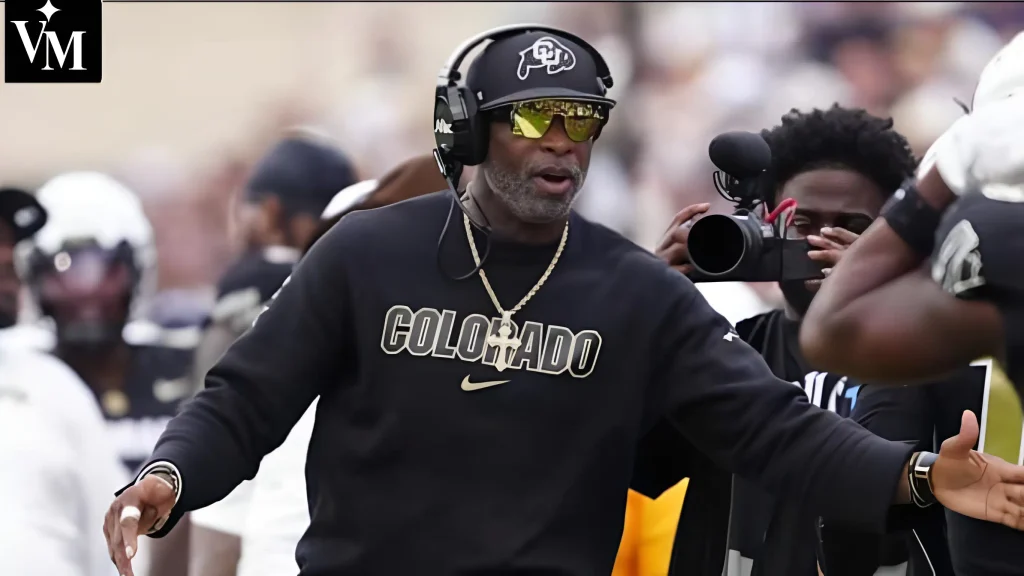
Coaching became one of the most important chapters in Deion Sanders’s career after professional sports.
Many former athletes experience difficulty transitioning into life after retirement. Sanders, however, found another way to remain involved in football.
His coaching career allowed him to use his experience, personality, and knowledge of the game to develop younger players.
It also created another major source of professional income.
Coaching at Jackson State University
Sanders became the head football coach at Jackson State University in 2020.
Jackson State competes in the Southwestern Athletic Conference and has an important position in historically Black college athletics.
His appointment attracted considerable attention because of his professional playing reputation.
Sanders brought a different level of national visibility to the program.
During his time at Jackson State, the football team achieved significant success. The program won consecutive SWAC championships in 2021 and 2022.
His coaching approach focused on competitiveness, player development, recruiting, and building a stronger football culture.
The position also provided him with experience as a head coach.
From a financial perspective, Jackson State introduced a new income stream that was separate from his professional playing career.
It also increased his reputation as a coach and prepared him for opportunities at larger football programs.
Moving to the University of Colorado Boulder
In December 2022, Sanders accepted the head coaching position at the University of Colorado Boulder.
His arrival generated enormous attention.
Colorado had experienced difficult football seasons, and Sanders was expected to bring renewed energy and national interest to the program.
His famous message to players and recruits became a major part of the team’s public identity.
The move was financially significant because coaching at a major university can provide a substantial salary and additional professional opportunities.
Sanders’s Colorado contract was publicly reported as a five-year agreement worth approximately $29.5 million when initially announced in 2022.
However, contract terms can change through amendments, extensions, incentives, and additional agreements.
His compensation should therefore be evaluated using the relevant contract period rather than assuming that an initial agreement represents his current annual salary.
Coaching Salary and Financial Growth
A major reason people search for Deion Sanders’s net worth is his coaching salary.
His move from Jackson State to Colorado demonstrated how a successful public reputation can create new professional opportunities.
Coaching compensation may include several elements:
- Base salary.
- Performance-related incentives.
- Contractual bonuses.
- Retention payments.
- Additional compensation arrangements.
- Benefits and other contractual provisions.
Not every component is necessarily guaranteed.
It is also important to distinguish between a coach’s total contract value and the amount of money received during a particular year.
For example, a five-year contract worth $30 million does not mean the coach receives $30 million immediately.
Instead, compensation is generally distributed according to the contract’s payment schedule.
For Sanders, coaching became an important part of his financial identity because it allowed him to remain professionally active while building another generation of athletes.
Television Broadcasting and Sports Media Income
Professional sports are not the only industries that have contributed to Deion Sanders’s financial opportunities.
Broadcasting also played an important role in his career after retirement.
Sanders worked as a sports analyst and commentator, using his experience as a professional athlete to explain football to television audiences.
His broadcasting work allowed him to remain connected to the NFL while reaching people who followed the game through television.
His personality also made him a recognizable media figure.
Unlike commentators who focus entirely on technical analysis, Sanders brought humor, confidence, and personal experiences into his discussions.
These characteristics helped him connect with viewers.
His television work included involvement with sports programming and football analysis.
Broadcasting can be financially valuable for former professional athletes because it creates a way to earn money without competing physically.
It can also help maintain public visibility.
For Sanders, media appearances reinforced his personal brand and supported his transition into coaching.
Although exact earnings from every broadcasting agreement are not publicly established, the industry represents another potential contributor to his professional income.
Business Ventures and Brand Partnerships
Deion Sanders’s financial story is not limited to sports salaries.
His public identity has created opportunities in advertising, brand partnerships, endorsements, and commercial activities.
Athletes with recognizable personalities can attract companies that want to reach sports audiences.
Sanders has maintained a distinctive image throughout his career.
His nickname, fashion choices, confidence, and public appearances have helped him remain recognizable across generations.
Brand Endorsements
Endorsements are an important income opportunity for famous athletes.
Companies often work with professional sports personalities because their public image can help promote products and services.
Sanders’s fame as a two-sport professional athlete made him particularly attractive to commercial audiences.
His association with sportswear and athletic culture has been part of his broader public profile.
However, individual endorsement payments are not always publicly disclosed.
It is therefore difficult to calculate precisely how much money he has earned from every partnership.
Personal Branding
One of Sanders’s most valuable professional assets is his personal brand.
His nickname “Prime Time” became an identity that audiences associate with confidence, entertainment, and athletic excellence.
A strong personal brand can create opportunities beyond an individual’s original profession.
For example, it can help attract:
- Television appearances.
- Speaking engagements.
- Advertising campaigns.
- Commercial collaborations.
- Public events.
- Sports-related partnerships.
Sanders’s personality has helped him remain commercially recognizable long after his retirement from professional football and baseball.
Business Opportunities Beyond Playing Sports
Sanders has also been involved in business and promotional activities throughout his career.
However, not every public appearance or partnership should automatically be treated as a separate business venture.
A careful financial analysis must distinguish between verified business ownership, promotional agreements, and general commercial activity.
This is particularly important when discussing celebrity net worth because online articles sometimes combine all three without providing clear explanations.
Deion Sanders’s Real Estate and Lifestyle
Like many successful professional athletes, Deion Sanders has attracted attention for his lifestyle and residential properties.
Real estate can be an important part of a celebrity’s financial portfolio.
However, owning an expensive property does not automatically mean that the full market value of the property contributes to personal net worth.
Mortgage balances, ownership arrangements, taxes, and other financial obligations must also be considered.
Sanders has been associated with properties in Texas and other locations during different periods of his career.
His residential lifestyle has attracted public interest, particularly because of his reputation as a high-profile sports personality.
Real Estate as a Financial Asset
Property ownership can provide several potential financial benefits.
These include:
- Long-term property appreciation.
- Residential stability.
- Potential rental income.
- Portfolio diversification.
- Opportunities to sell assets when market conditions are favorable.
However, real estate also comes with expenses.
Maintenance, insurance, property taxes, utilities, and financing costs can affect the actual financial value of a property.
Without verified details about current ownership and outstanding liabilities, it would be inaccurate to assign a precise value to Sanders’s real estate portfolio.
Lifestyle and Financial Responsibilities
Sanders’s public image is closely connected to fashion, luxury, and confidence.
His personality has always attracted attention, but public lifestyle choices do not provide a complete picture of someone’s finances.
A celebrity can have expensive possessions while also maintaining investments and financial obligations that are not visible to the public.
For that reason, his lifestyle should be considered part of his public profile rather than definitive evidence of his net worth.
Family Life and Personal Responsibilities
Deion Sanders’s family life is another important part of his public identity.
He has children from his relationships and has frequently spoken about the importance of family, personal development, and discipline.
His children include Deion Sanders Jr., Shilo Sanders, Shedeur Sanders, and others.
Some of his children have also become involved in sports and entertainment.
His sons Shilo and Shedeur attracted attention through their college football careers, particularly during their time playing under their father’s coaching leadership at Colorado.
Family responsibilities can influence financial decisions, particularly for people who earn substantial incomes through professional sports.
However, it is not possible to calculate private family expenses or financial arrangements without reliable public documentation.
His family story is best understood as part of the personal journey behind his professional career.
Major Achievements That Increased His Professional Value
Deion Sanders’s sporting achievements helped create the reputation that supports his financial opportunities.
His success in football and baseball made him one of the most recognizable athletes of his generation.
Some of his major achievements include:
- Winning two Super Bowl championships.
- Winning the NFL Defensive Player of the Year award in 1994.
- Earning multiple Pro Bowl selections.
- Receiving multiple All-Pro honors.
- Playing in a World Series with the Atlanta Braves.
- Becoming a member of the Pro Football Hall of Fame in 2011.
- Winning SWAC championships as Jackson State’s head coach.
These accomplishments helped establish his credibility in professional sports.
His achievements also made him valuable to sports organizations, television networks, sponsors, and audiences.
A successful athlete can build wealth through direct earnings, but reputation can also create opportunities that continue after retirement.
Sanders’s career demonstrates this connection particularly well.
How Deion Sanders Built Wealth Across Different Industries
Deion Sanders’s financial development can be understood by examining the different stages of his professional life.
Instead of depending entirely on one source of income, he developed opportunities in multiple industries.
1. Professional Football
The NFL provided the foundation of his career earnings.
Playing for several successful franchises allowed Sanders to earn professional salaries while building a reputation as one of the league’s most exciting defensive players.
His championships and individual achievements further strengthened his professional profile.
2. Professional Baseball
His baseball career created another opportunity to earn money from professional sports.
Although his football career remained more prominent, baseball helped establish his unusual reputation as a two-sport professional athlete.
3. Television and Broadcasting
Broadcasting allowed him to remain connected to sports after retirement.
His knowledge of professional football and entertaining personality helped him become a recognizable media figure.
4. Coaching
Coaching created another professional career.
His positions at Jackson State and Colorado brought him significant attention and publicly reported contractual compensation.
5. Brand Recognition
His public identity has continued to create commercial opportunities.
This includes endorsements, advertising, appearances, and partnerships.
Together, these professional activities demonstrate why estimating Sanders’s financial position requires looking at his entire career rather than focusing on a single salary.
Case Studies: Understanding the Financial Strategy Behind Deion Sanders’s Career
The following case studies are analytical examples based on the structure of Sanders’s publicly known career. They are not claims about undisclosed transactions or private financial records.
Case Study 1: Turning Athletic Excellence Into Long-Term Professional Opportunities
One of the most interesting aspects of Sanders’s career is how he used athletic excellence to create opportunities outside the playing field.
Many professional athletes experience their greatest financial success during a relatively short playing period.
Professional sports careers can be affected by injuries, age, competition, and changing team requirements.
Sanders developed a broader professional identity.
His football achievements made him recognizable, while his baseball career expanded his public profile.
After retirement, he entered broadcasting and eventually coaching.
This transition demonstrates the value of developing skills and professional relationships that remain useful after an athletic career ends.
Financial lesson: Building a reputation that can be used in different industries may help create opportunities beyond an individual’s original profession.
Case Study 2: The Commercial Value of a Recognizable Personal Brand
Sanders’s nickname “Prime Time” became an important part of his public identity.
His personality was recognizable, and his confidence helped distinguish him from other athletes.
This identity created commercial appeal.
Companies often look for individuals who can attract attention and connect with audiences.
A famous athlete with a recognizable personality may have opportunities to work with advertisers, appear in campaigns, and participate in promotional activities.
Sanders’s career demonstrates how personal branding can complement professional earnings.
Financial lesson: A strong personal brand can create commercial opportunities that are not directly connected to an individual’s main profession.
Case Study 3: Moving From Playing to Coaching
Sanders’s move into coaching is another useful example of career development.
After retiring from professional football, he could have limited his involvement in sports to occasional appearances.
Instead, he accepted coaching responsibilities.
His position at Jackson State gave him experience developing a football program.
His later move to Colorado provided a larger platform and brought significant public attention.
The transition demonstrates how professional knowledge can be converted into a different career.
Financial lesson: Career longevity can improve when individuals identify new ways to use their experience.
Case Study 4: Diversification Across Professional Activities
Sanders’s career includes several different income categories.
His professional football contracts, baseball activities, broadcasting work, and coaching compensation demonstrate a diversified professional history.
This does not mean that all income sources produce equal financial returns.
Some opportunities may be short-term, while others may provide longer-term compensation.
However, having multiple professional activities can reduce dependence on one career path.
Financial lesson: Diversifying professional opportunities can create additional earning potential and help support a long-term career.
Deion Sanders Compared With Other Famous Athletes
Deion Sanders is often discussed alongside other famous American sports personalities because of his exceptional achievements.
His financial journey is particularly interesting because he played two professional sports and later developed a coaching career.
Comparing his professional path with other athletes helps explain what makes his career distinctive.
Deion Sanders and Michael Jordan
Deion Sanders
Known for professional football, baseball, coaching, and sports broadcasting.
Michael Jordan
Known for NBA championships, global endorsements, and major commercial ventures.
Michael Jordan built an extraordinary financial career through basketball, endorsements, and business interests.
Sanders followed a different path.
His professional identity was built through two sports and later coaching.
Both demonstrate how sporting achievements can create commercial opportunities that extend beyond competition.
Deion Sanders and Tom Brady
Deion Sanders
Developed a career across professional football, baseball, broadcasting, and coaching.
Tom Brady
Built his career through NFL contracts, championships, endorsements, and business activities.
Tom Brady’s professional journey demonstrates the earning potential of a long and successful NFL career.
Sanders’s career is different because he competed in professional baseball and football before moving into coaching.
Both athletes illustrate the importance of reputation, career longevity, and commercial opportunities.
What Makes Deion Sanders Different From Other Former Athletes?
Sanders’s professional journey has several characteristics that distinguish him from many other former athletes.
First, he achieved success in two professional sports.
Second, he developed a strong public identity.
His personality made him recognizable beyond the sports community.
Third, he remained professionally active after retirement.
His broadcasting and coaching activities allowed him to continue earning money through sports-related opportunities.
Finally, he developed a connection with younger generations.
His coaching career brought him into contact with college athletes and audiences who may not have watched him during his professional playing years.
These characteristics help explain why his name continues to attract attention.
Challenges That Can Affect Deion Sanders’s Financial Position
Although Sanders has experienced considerable professional success, it is important to understand that wealth is influenced by more than income.
High-profile athletes can face several financial challenges.
Taxes
Professional athletes and coaches can earn substantial salaries, but taxes reduce the amount they actually retain.
Tax obligations can vary according to location, income type, and applicable laws.
Lifestyle Expenses
Maintaining a high-profile lifestyle can involve substantial expenses.
These may include property maintenance, travel, transportation, security, and personal commitments.
Business Risks
Commercial partnerships and business activities do not always generate profits.
Some ventures may perform well, while others may produce limited returns.
Contractual Changes
Professional contracts can change through amendments, extensions, and new agreements.
A reported contract value should not automatically be treated as money already received.
Investment Performance
Investments can increase or decrease in value.
Without access to private financial information, it is impossible to determine how Sanders’s investment decisions have affected his current wealth.
These factors explain why public estimates of celebrity net worth should always be treated carefully.
Deion Sanders’s Influence on Modern College Football
Sanders’s influence extends beyond his personal financial achievements.
His arrival at Colorado attracted significant attention to the football program.
His coaching personality, recruiting approach, and public communication style created considerable media interest.
He also brought attention to the role of college football coaches as public personalities.
Modern college athletics has become increasingly connected to media coverage, recruiting competition, sponsorships, and name, image, and likeness opportunities.
Sanders’s public profile made him an important part of these conversations.
His coaching career also demonstrated that former professional athletes can bring commercial attention and institutional visibility to college programs.
However, a coach’s public influence and financial compensation should be considered separate matters.
A successful media presence does not automatically translate into measurable personal wealth.
How Does Deion Sanders Make Money Today?
Sanders’s current professional income should be considered in relation to his active coaching position and any other ongoing agreements.
His coaching career at Colorado has been one of the most visible parts of his professional life in recent years.
Other potential income categories include:
- Coaching compensation.
- Brand partnerships.
- Advertising and endorsements.
- Media appearances.
- Public speaking opportunities.
- Business-related activities.
Not all these categories necessarily represent active or recurring income at the same time.
It is also important to distinguish between income earned during a previous career stage and income that continues today.
For example, money earned through NFL contracts decades ago contributes to lifetime career earnings, but it is not current employment income.
A realistic assessment of his financial position should consider both his historical success and his ongoing professional commitments.
The Future of Deion Sanders’s Wealth
Sanders’s future financial opportunities will depend on several factors.
His coaching career remains a major part of his public identity.
If he continues developing football programs and attracting national attention, he may maintain opportunities for compensation and commercial partnerships.
His established reputation also creates potential opportunities in broadcasting and sports-related business activities.
Another important factor is the growing commercial environment surrounding college athletics.
Coaches with large audiences and recognizable public identities may have opportunities to participate in advertising, partnerships, and public events.
However, future earnings cannot be guaranteed.
Coaching performance, contract negotiations, business conditions, and personal financial decisions can all influence his long-term financial position.
What makes Sanders’s career especially interesting is his ability to adapt.
He has successfully moved from professional athlete to broadcaster and then to college football coach.
That flexibility may remain an important part of his professional future.
Frequently Asked Questions About Deion Sanders Net Worth
1. What is Deion Sanders’s net worth?
Deion Sanders’s exact net worth has not been publicly verified. Online estimates vary, and a reliable calculation would require information about his assets, investments, liabilities, taxes, and private financial arrangements.
2. How did Deion Sanders make his money?
Sanders built his wealth through professional football, professional baseball, coaching, broadcasting, endorsements, and commercial opportunities. His NFL career established the foundation, while coaching and media activities extended his professional earning opportunities.
3. How much does Deion Sanders make as a coach?
Sanders’s coaching compensation is based on his employment contract and any applicable amendments or additional agreements. His initial Colorado contract was publicly reported at approximately $29.5 million over five years in 2022. The initial agreement should not be confused with his current annual compensation.
4. Did Deion Sanders play both football and baseball professionally?
Yes. Sanders played professional football in the NFL and professional baseball in Major League Baseball. He represented several teams in both sports, making him one of the most recognizable two-sport athletes in American sports history.
5. Which NFL teams did Deion Sanders play for?
Sanders played for the Atlanta Falcons, San Francisco 49ers, Dallas Cowboys, Washington Redskins, and Baltimore Ravens. His career included two Super Bowl championships.
6. Did Deion Sanders win a Super Bowl?
Yes. Sanders won two Super Bowl championships. He won Super Bowl XXIX with the San Francisco 49ers and Super Bowl XXX with the Dallas Cowboys.
7. What is Deion Sanders famous for?
He is famous for his outstanding football career, professional baseball experience, nickname “Prime Time,” entertaining personality, and later coaching career. His achievements made him one of the most recognizable personalities in American sports.
8. How much money did Deion Sanders earn in the NFL?
His NFL career earnings came from multiple contracts across several teams. A complete verified lifetime total is not established here. Publicly reported contract figures should be evaluated individually rather than combined with unsupported estimates.
9. Is Deion Sanders still coaching?
Sanders’s coaching position and current employment status should be checked against the latest official university announcements because coaching appointments and contracts can change.
10. Did Deion Sanders work in television?
Yes. Sanders worked as a sports broadcaster and analyst after his professional playing career. His television experience allowed him to remain involved in football and connect with audiences outside the playing field.
11. Does Deion Sanders own businesses?
Sanders has participated in commercial and brand-related activities. However, individual promotional partnerships should not automatically be described as businesses he owns. Verified ownership information is necessary before assigning a financial value to a specific venture.
12. What was Deion Sanders’s biggest source of income?
Professional football was a major foundation of his career earnings. However, his overall financial journey also includes professional baseball, broadcasting, coaching, and commercial opportunities.
13. What is Deion Sanders’s nickname?
His famous nickname is “Prime Time.” The name reflects his entertaining personality, confidence, and ability to perform during important sporting moments.
14. When did Deion Sanders retire from professional football?
Sanders retired from professional football after the 2005 NFL season. He later returned to the sports industry through broadcasting and coaching.
15. Is Deion Sanders one of the most successful two-sport athletes?
Yes. Sanders is widely recognized as one of the most successful athletes to compete professionally in both football and baseball. His achievements in two major American sports make his career particularly unusual.
16. How much did Deion Sanders have to pay his ex-wife?
Deion Sanders’s 2013 divorce decree required him to pay Pilar Sanders $1 million under their prenuptial agreement. A later defamation judgment was ordered to offset that amount.
17. How much money does Deion Sanders make?
His reported 2026 Colorado coaching compensation is $10 million under his revised five-year contract.
18. What is Deion Sanders’ ex-wife’s net worth?
His ex-wife Pilar Sanders has an estimated net worth of $5 million, according to Celebrity Net Worth. This is an estimate, not a verified financial figure.
Final Thoughts on Deion Sanders Net Worth
Deion Sanders’s financial journey is an example of how athletic excellence, personal branding, and professional adaptability can create opportunities across multiple industries.
His NFL career established his reputation as an exceptional defensive player, while his professional baseball experience made him a rare two-sport athlete. His achievements with the San Francisco 49ers and Dallas Cowboys helped establish his place in football history.
After retiring from professional competition, Sanders continued building his career through broadcasting and coaching. His work at Jackson State and Colorado demonstrated that his professional influence extended beyond playing sports.
Although his exact net worth remains unverified, his career history shows that he has developed several sources of earning potential over time.
The most interesting part of his financial story is not simply how much money he may have accumulated. It is how he continued creating professional opportunities after each major stage of his career.
From professional athlete to television personality and college football coach, Sanders has demonstrated the importance of adaptability, reputation, and long-term career development.
His story remains relevant because it shows that success in sports can become the starting point for opportunities far beyond the playing field.
For More Visits: Value Magazine
Also Read: Damon Darling Net Worth: Career & Earnings Revealed

